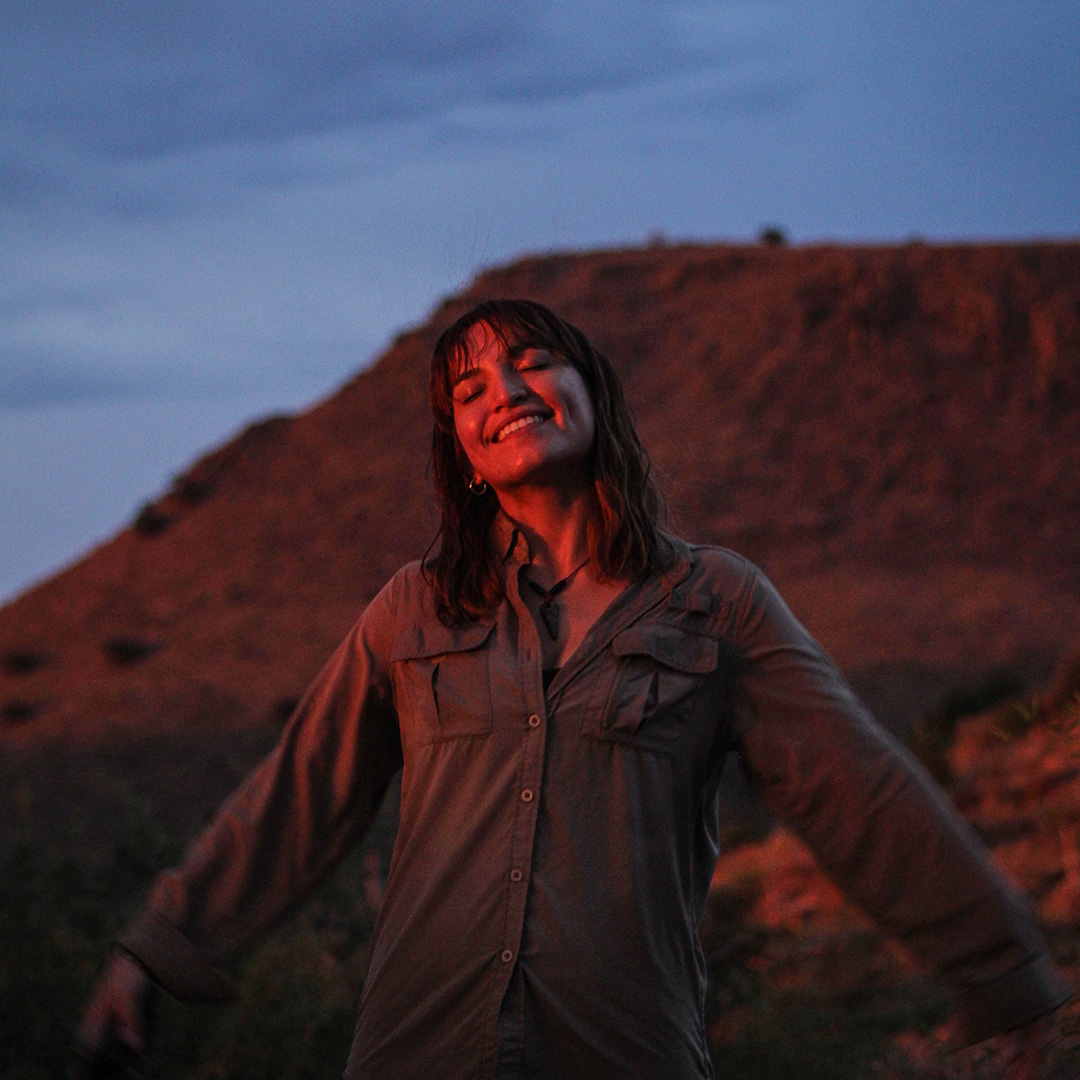
Hello! I’m Anays Blanco, and I recently joined the Sky Island Alliance team as project manager in Sonora. I’m taking this space to share some of the experiences and moments that have shaped the way I understand the land, natural resources, and conservation.
My career has taken me through a range of professional fields, and I’m often asked what led me to pursue a path in conservation. I can’t point to a short answer or a specific moment as the beginning. Looking back, I understand that my connection to these landscapes began long before I knew I would one day dedicate myself to conserving them, and in particular, the wonderful Sky Islands, the Madrean Archipelago.
Roots
If we go back to the beginning, I think the way I understand the world began with my grandparents.
My mother’s family is from Cananea, in the heart of the Sky Islands. My grandfather was a miner, but before that he grew up among the towns along the Río Sonora, especially near Aconchi, where we still have family and where the river and the hot springs were part of everyday life.
On my father’s side, my roots are in ranching and come from Suaqui, in the old valle de Batuc, where the Río Moctezuma once ran. This town, where my grandparents were born, disappeared beneath the waters of the El Novillo Dam before my father was born, and my grandparents had to start over on a ranch near San Pedro de la Cueva.
Before I understood what ecology and conservation meant, I had already grown up listening to stories of mountains, mines, rivers, ranches, and towns that had changed. For a long time, I knew them as separate stories. Only later did I see that, though they came from different corners of arid Sonora, they shared a thread: water.
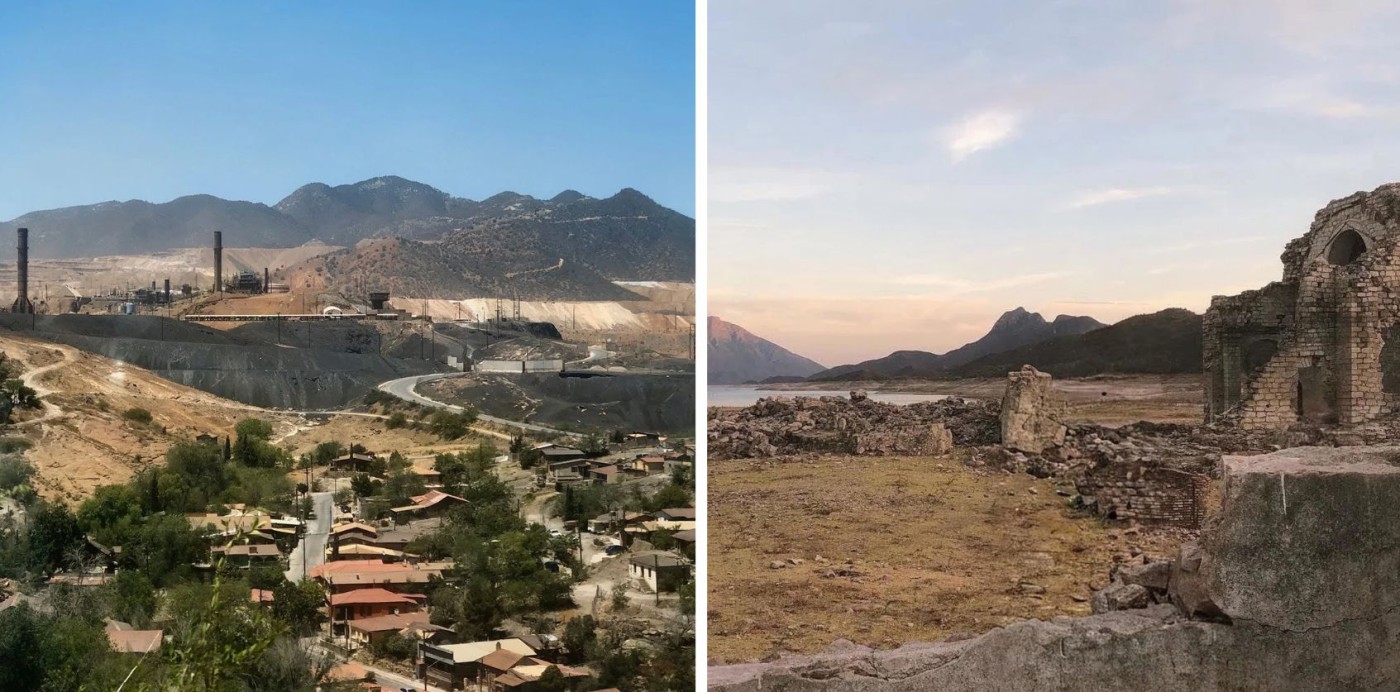
Rivers, springs, and valleys have sustained our communities and ways of life, yet they’ve also been reshaped by the decisions we make about water. Those stories shape how I see this land and my place in it.
Growing up in the Sonoran Desert taught me early that water is never a given. We learn to notice when it’s missing, to get excited about a good summer rain, and to recognize that a small stream or a spring can mean a great deal in the middle of a seemingly dry landscape.
Mountains
Ever since I was a girl, trips to Cananea were among my favorite experiences. I would visit my family and gradually came to recognize a landscape very different from Hermosillo’s. I loved watching how the vegetation, the climate, and the scenery changed, but also how I seemed to change in that place: I was happier, more curious, and always eager to go out exploring.
Years later, I lived in Cananea for a while. By then, the mountains I had known since childhood were already part of my daily life. During college, I began to explore them in a different way, taking part in biological survey expeditions and discovering the diversity of species, landscapes, and ecosystems they held. They were no longer just the mountains that made me happy and surrounded Cananea; they had become a place I wanted to know and understand.
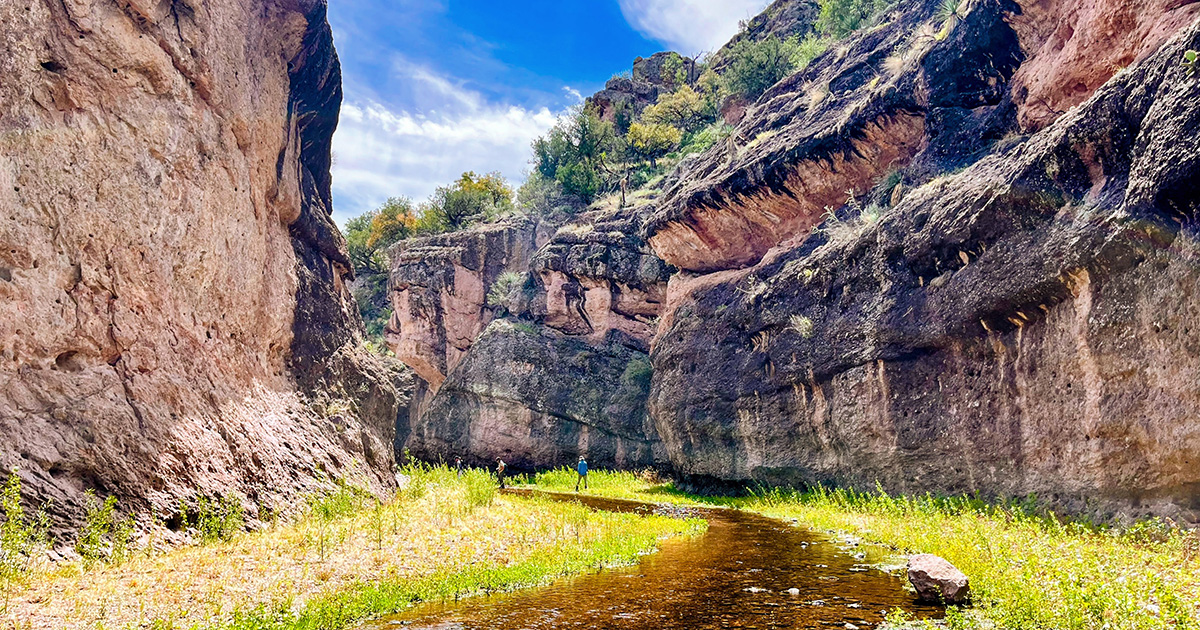
It was then that I discovered the concept of the Sky Islands and began to understand why they matter so much in a landscape like ours. The high elevations of these mountains capture and store water, feed the streams and rivers that flow down to the valleys, and sustain life far beyond the peaks. I also began to discover the transitions between forests, grasslands, rivers, and the communities that depend on them.
At the same time, studying business management in a community deeply tied to mining put me in touch with two worlds that are often seen separately. As I grew closer to conservation, I was also studying how to optimize resources, improve productivity, and make economic decisions, surrounded by productive activities and people whose livelihoods depended on them, yet where the ecological value of the landscapes sustaining those activities was pushed into the background, or even ignored.
I realized that these realities could not be thought of in isolation. I needed to find ways for nature’s voice to be present in those conversations too. In that meeting of two worlds, I gradually found my calling.
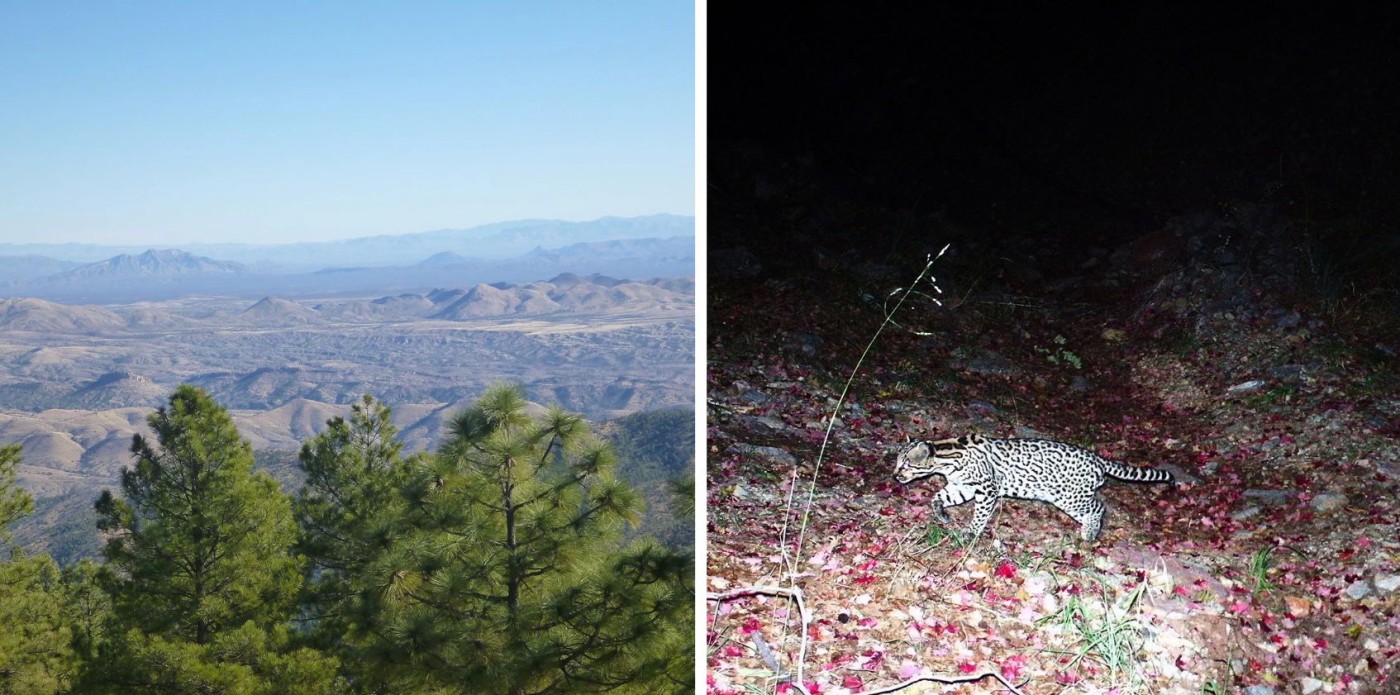
Sierra Los Ajos held a very special part in that process. It was one of the first places where I had the chance to get directly involved in fieldwork and, for me, it became my first love among the Sky Islands.
There I carried out one of my first research projects, generating information on the biodiversity of a site threatened by mining activity that, until then, had no recorded baseline data. The experience showed me how important it is to know what exists in a place when decisions are made about its future, and it strengthened my interest in finding ways for conservation to have a place in them.
Rivers
Over time, other experiences led me from the mountains toward the rivers and watersheds, particularly to the San Pedro River and work with beavers.
In these arid landscapes, where many streams have been eroded and water can run off quickly after a rain, beavers offer a concrete example of how nature can transform a landscape. Their dams slow the water, trap sediment, and encourage infiltration, creating conditions for vegetation to reestablish itself and for other processes to restart.
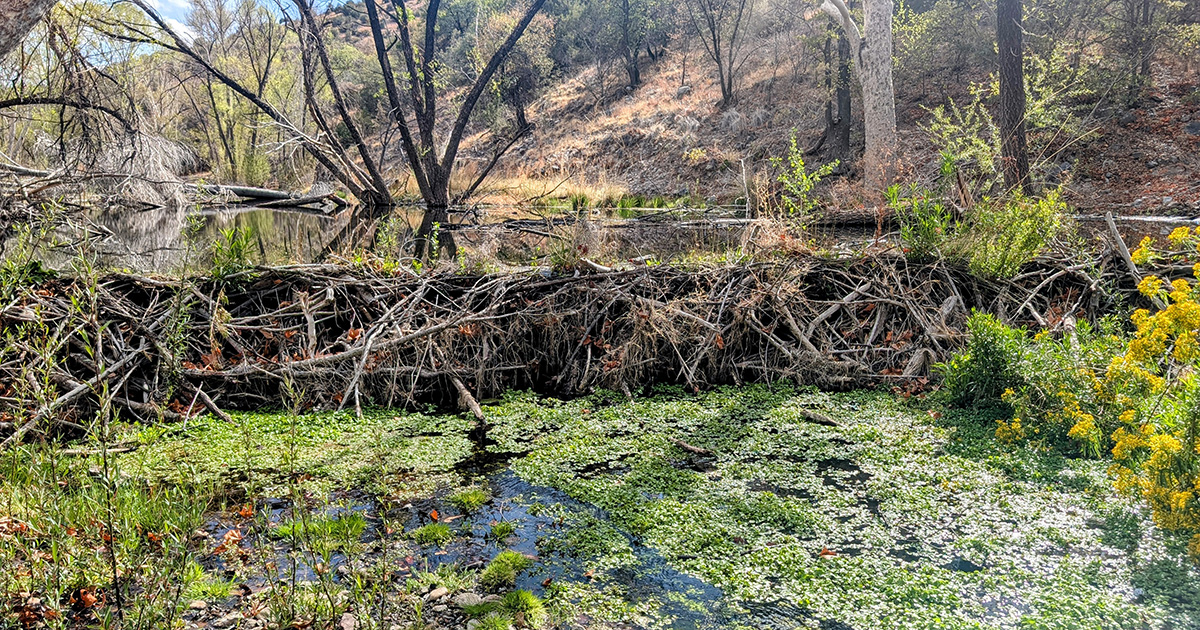
Working with Cuenca Los Ojos, I was able to see up close what it means to sustain a conservation effort over many years, and how it can transform a landscape and ripple far beyond its boundaries. Working around springs, streams, and other riparian areas made it clear that caring for water means caring for many other things at the same time: the soil, vegetation, habitats, and people’s livelihoods.
That same relationship can be seen in the ranching landscapes of Sonora and Chihuahua. Through a variety of projects, I came to see how changes in grassland management can help restore vegetative cover and improve rangeland productivity, while allowing more water to soak in and stay in the landscape. When these functions recover, the benefits reach not only the people who work the land but also the wildlife and ecosystems that share that space.
Through these and many other experiences, I’ve been building a way of looking at these landscapes that’s now fundamental to my work: understanding that things don’t happen in isolation. Water, soil, vegetation, wildlife, and human activities are all part of a single system, and a decision made in one place can change conditions in many others.
I’ve also learned that finding solutions for these landscapes requires creating spaces where different perspectives can come together. Spaces to listen, to question what we take for granted, and to seek comprehensive strategies that consider both people’s needs and the natural processes that sustain life.
In the same way, I imagine this space as those mountains, generating water and ideas, where different perspectives can flow, meet, and give rise to strategies for caring for resources, landscapes, and the people who depend on them.
Perhaps that’s why, looking back and searching for inspiration to put something of myself into this space, I found in water the thread that ties many of my stories to the region’s landscapes and people.