
Explore this timeline for a sampling of events from our history since 1991. Many thanks to the volunteers, donors, ranchers, board members, staff, interns, fellows, and partners who have contributed to our development and growing alliance over the years.
1991

Sky Island Alliance Is Born
A group of passionate advocates comes together in response to a Coronado National Forest proposal to create a developed National Recreation Area in the Sky Islands. The group proposes instead that the region be celebrated for its 7,000+ species and puts forward an alternative Biodiversity Area plan.
1994

First Madrean Archipelago Conference
SIA and the U.S. Forest Service cohost the first Madrean Archipelago conference. This vital coming together of regional experts helps scientists and land managers start to see how special and biodiverse the Sky Islands really are.
1995

SIA Becomes 501(c)(3)
It’s official: Sky Island Alliance becomes a nonprofit charitable organization!
1996
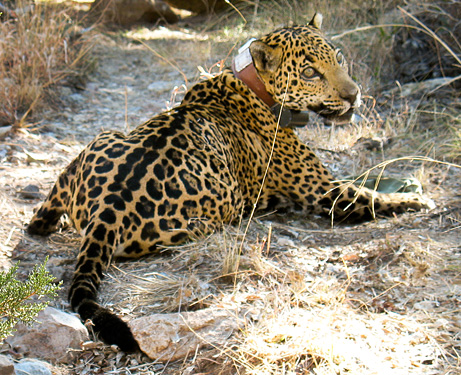
Macho B and Our First Executive Director
Macho B, the jaguar, is photographed in Arizona. SIA also hires our first paid executive director.
1997
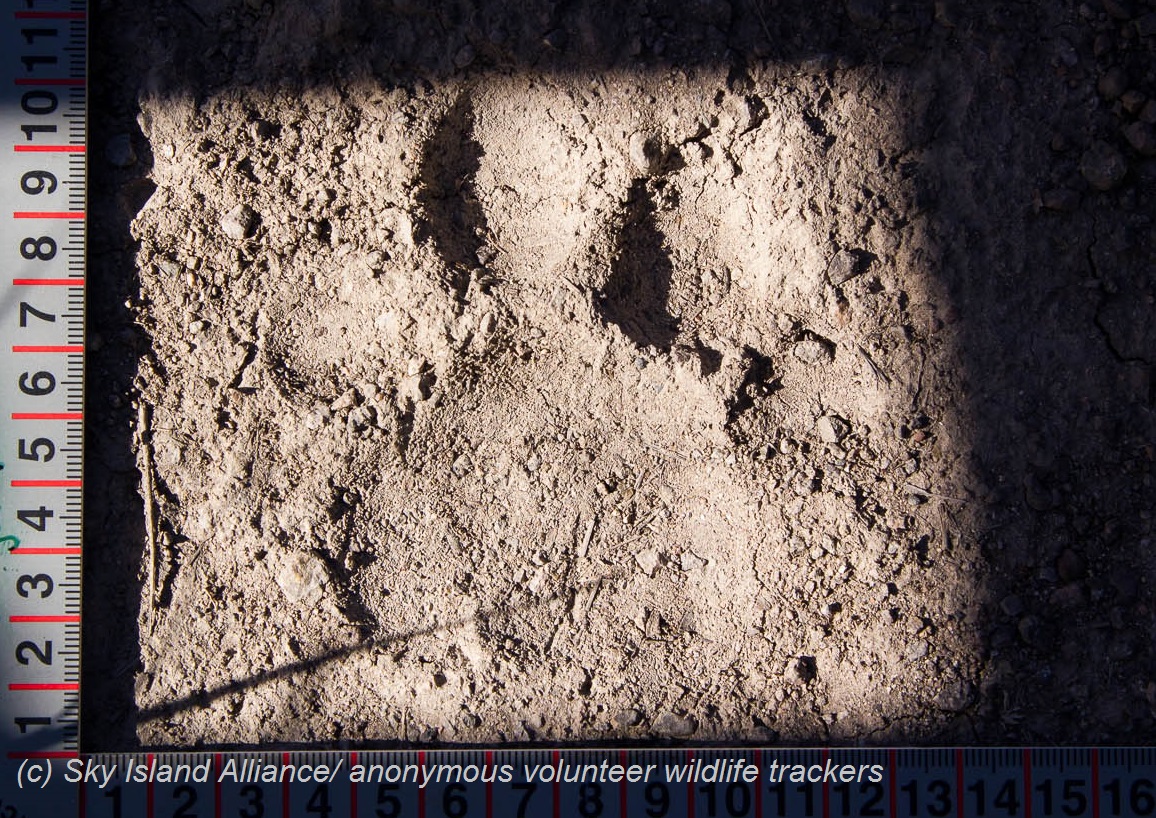
Jaguars Are Added to the U.S. Endangered Species List
1998

Work Defines Boundaries
SIA surveys roadless areas in the Coronado National Forest and holds its first volunteer weekends. Staff also support the creation of the Pima County Sonoran Desert Conservation Plan.
1999
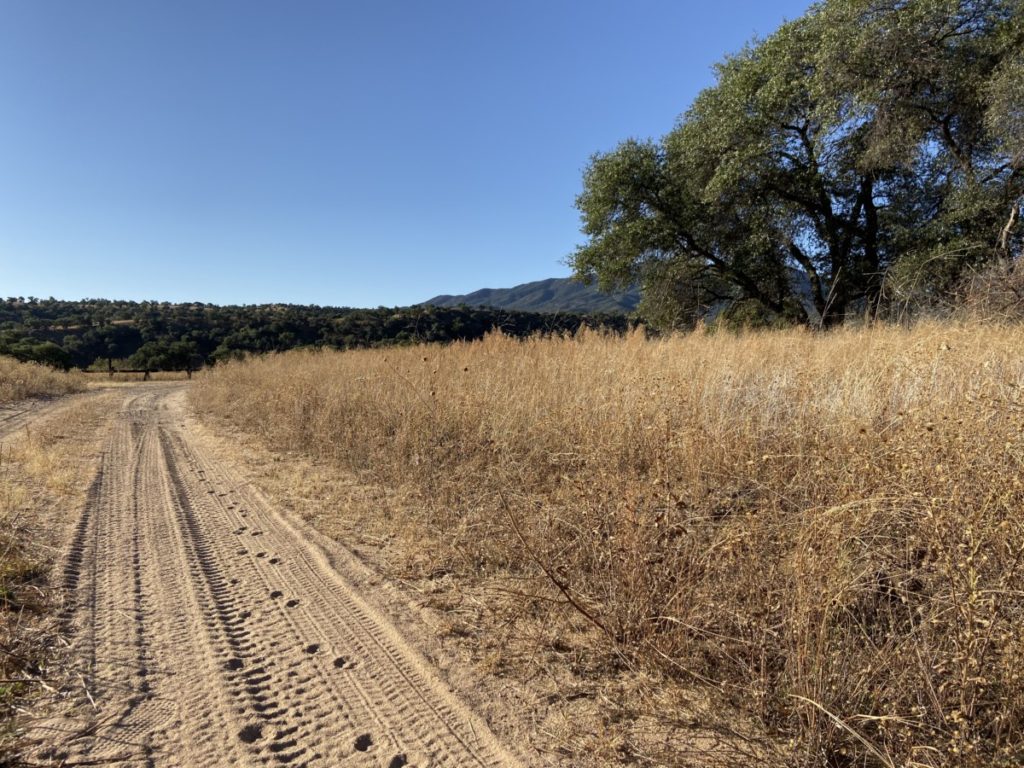
New Guide for Road Surveys
SIA publishes a volunteer guide for surveying roads, roadless areas, and wildlife corridors, and hosts a mountain lion track count at Fort Huachuca.
2000

New Logo
2001

Ten Years In, Our Corridors Shape County Policy
SIA turns 10 years old, and the Pima County Sonoran Desert Conservation Plan is enacted, including corridors identified by SIA in the Missing Link Report. We also begin working with the Arizona Department of Transportation on wildlife-linkage issues.
2003
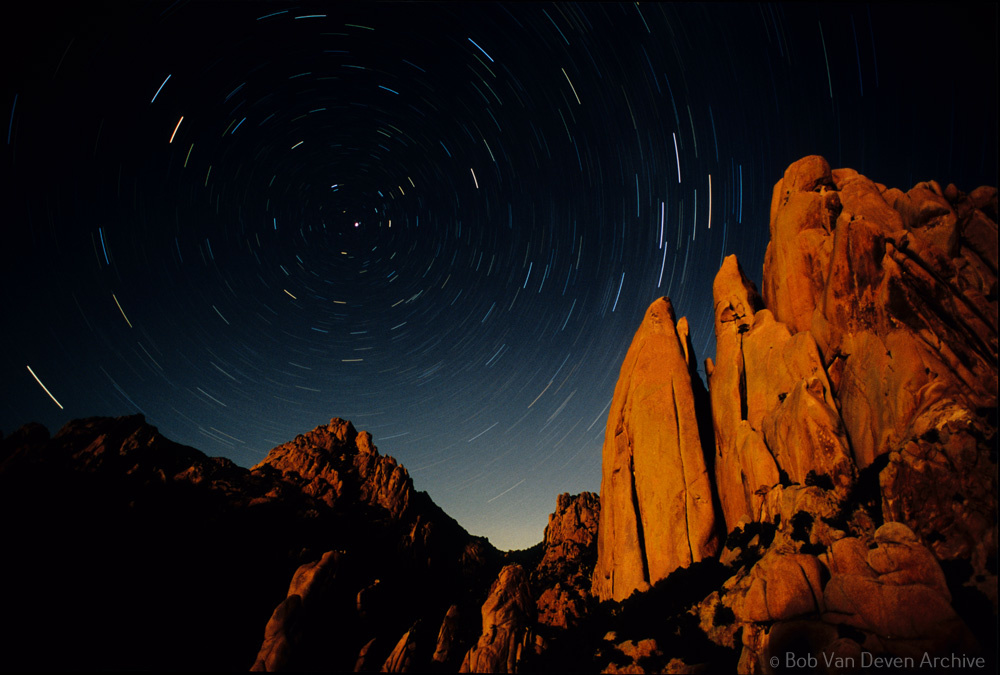
Science, Data, Advocacy
Riparian inventories start, and SIA begins using GIS technology to analyze data. We reach 800 supporters. We advocate against mining in the Dragoon Mountains and develop a plan for the Dragoon Ecological Management Area.
2004
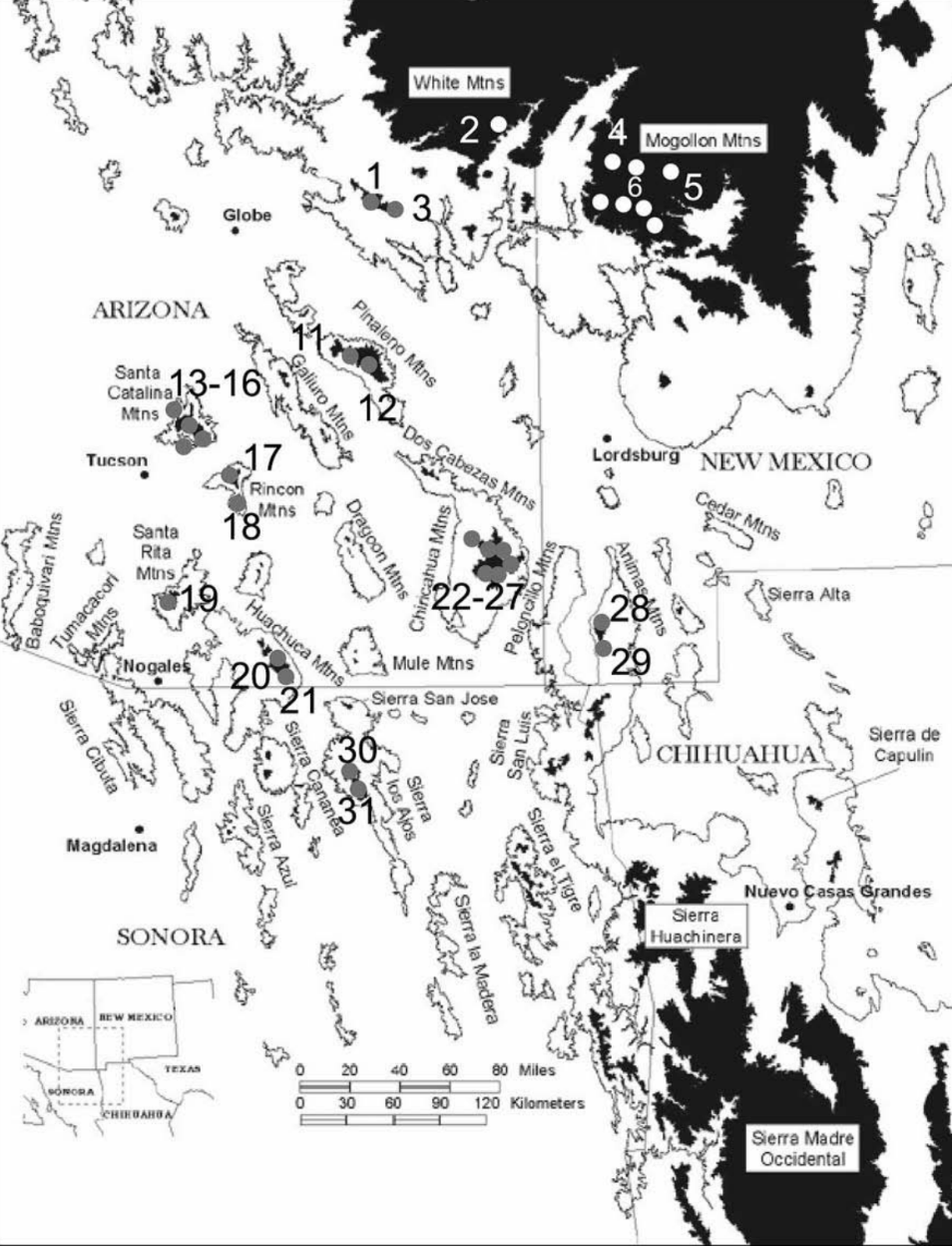
Symposium II
SIA hosts the Madrean Archipelago Symposium II, bringing together scientists, students, land managers, and organizations from across the region to support biodiversity conservation.
2005
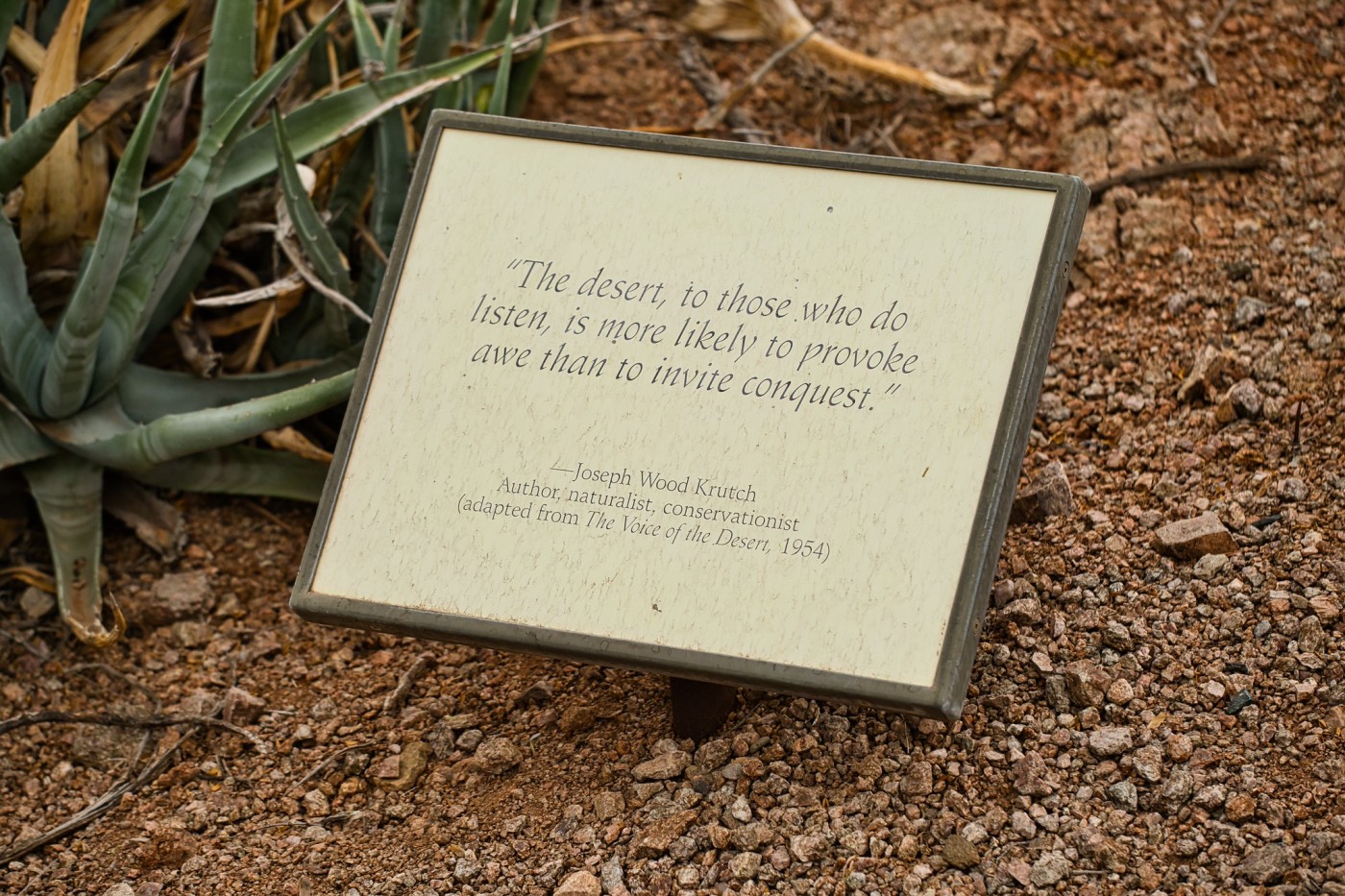
Award, Partnerships, and More
SIA wins the Joseph Wood Krutch Award and starts the Coronado Planning Partnership. SIA staffer Sergio Avila finds jaguar tracks south of the border. We move offices again to Tucson’s Historic Y.
2006

Our Work Crosses the Border
SIA begins work in Mexico and documents ocelots and jaguars at Rancho El Aribabi. We also begin using our first wildlife cameras.
2007
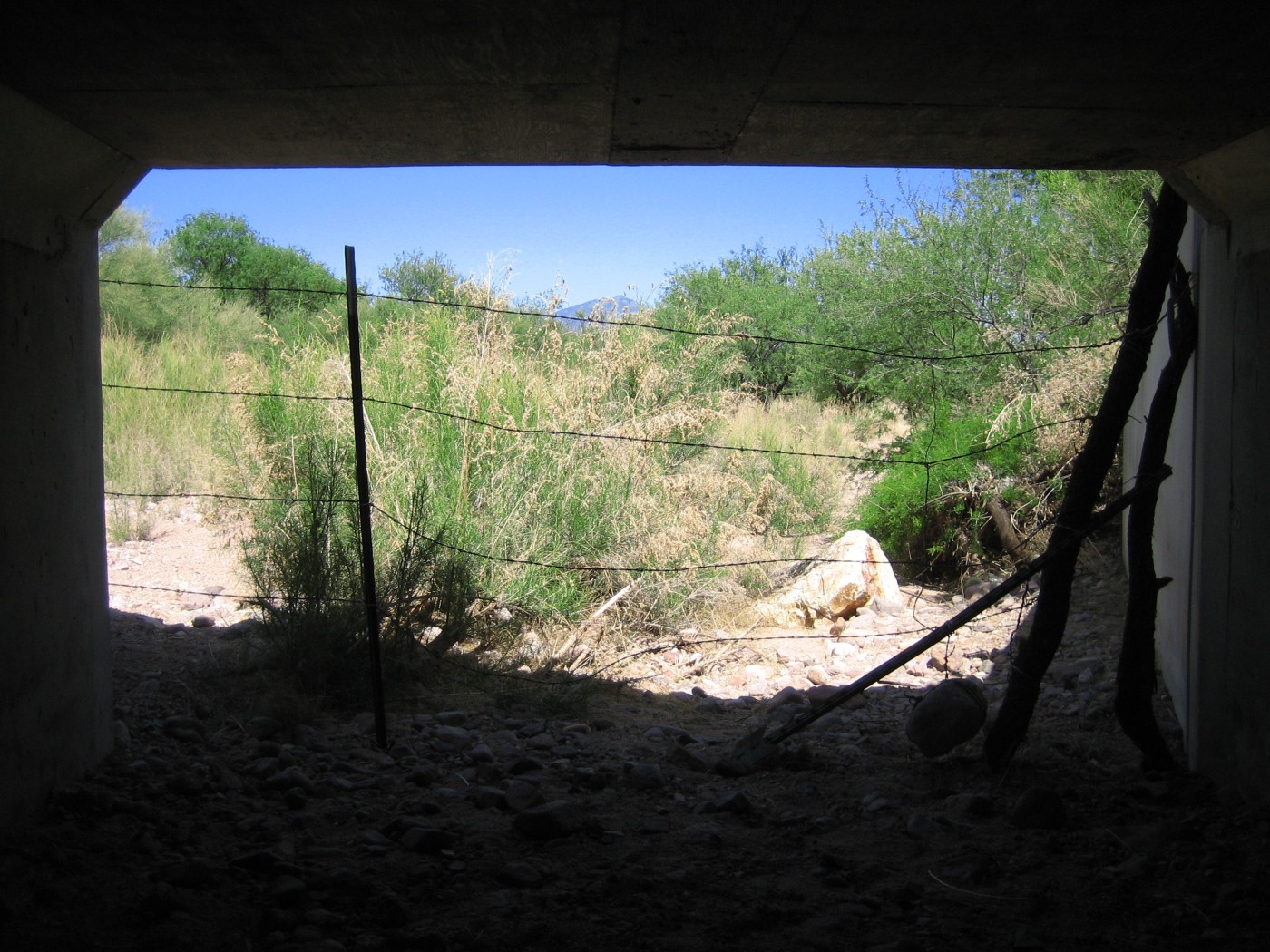
Environmental Excellence Award
The Federal Highway Administration awards SIA its Environmental Excellence Award for our Wildlife Linkages Assessment.
2008

New Vehicles and a Lot of Happy Staff!
SIA now has three field vehicles as work expands.
2009
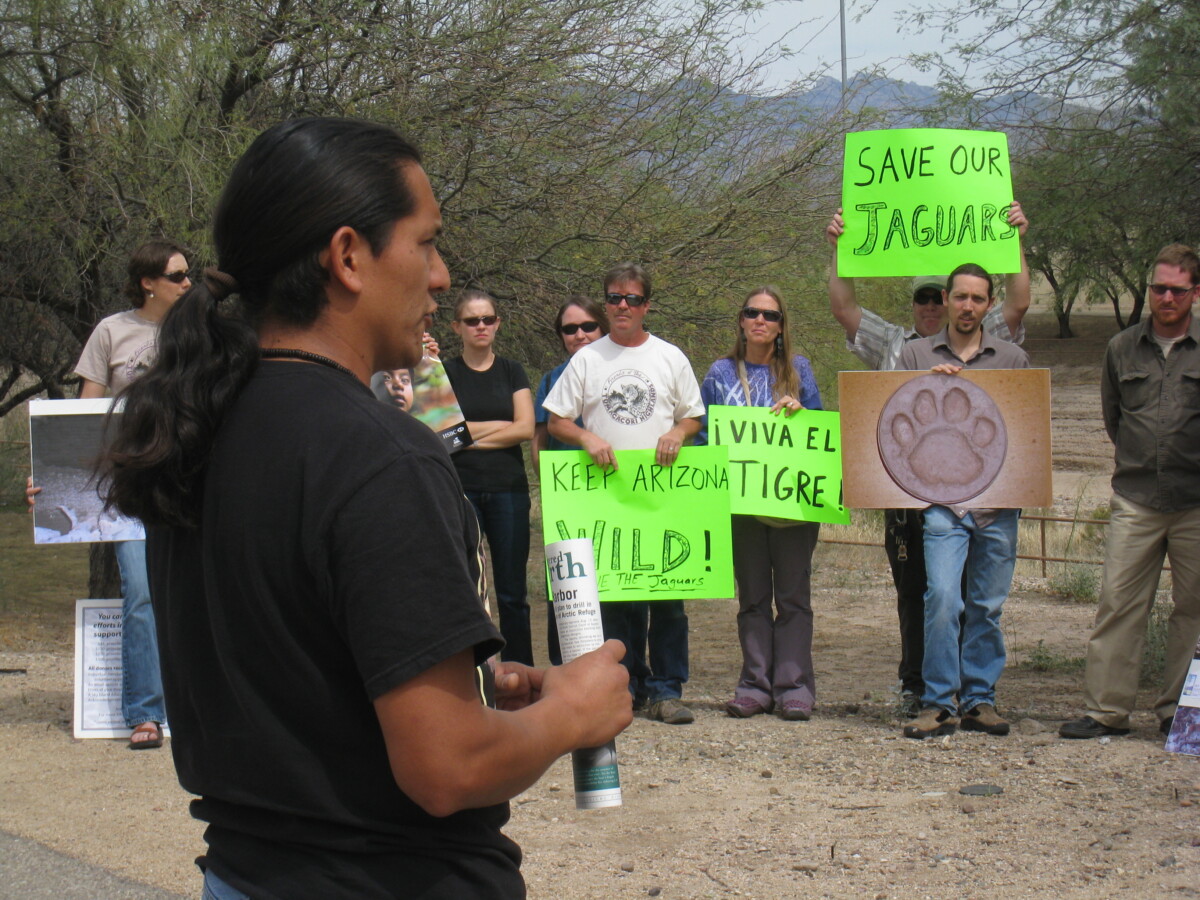
Forest Report, Macho B Dies
SIA releases the State of the Coronado Forest Report and documents the first ocelot in the Whetstone Mountains. Macho B dies.
2010

Climate Change, Springs, Jaguars
SIA convenes a climate change workshop and starts springs monitoring and bullfrog eradication. Rancho El Aribabi becomes a private jaguar preserve with 10,000 acres protected.
2011
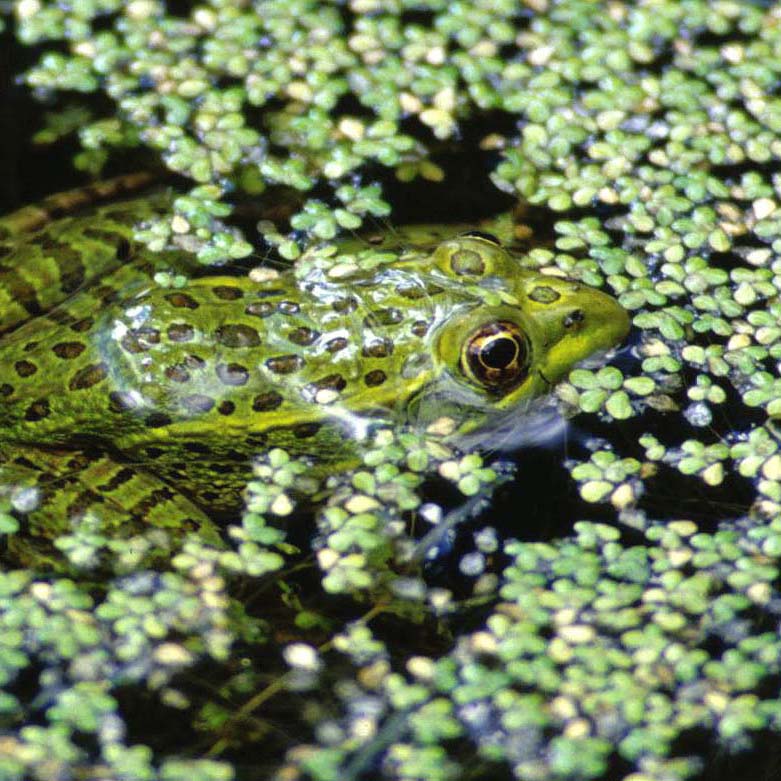
We’re 20!
SIA receives a Seeps and Springs grant from the Desert Landscape Conservation Cooperative. A jaguar is photographed in the Whetstone and Santa Rita mountains. The Cloverdale Cienega restoration is completed, and Chiricahua leopard frogs return.
2012

Conference III
SIA hosts the third Madrean Archipelago conference on biodiversity.
2013
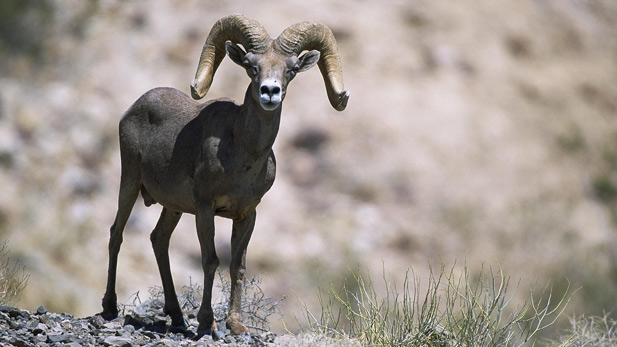
New Agreement, Return of Bighorn Sheep
SIA staff grows to 14 members, we sign a Memorandum of Agreement with Naturalia, A.C., bighorn sheep are reintroduced to the Santa Catalinas, and jaguar critical habitat is designated.
2014
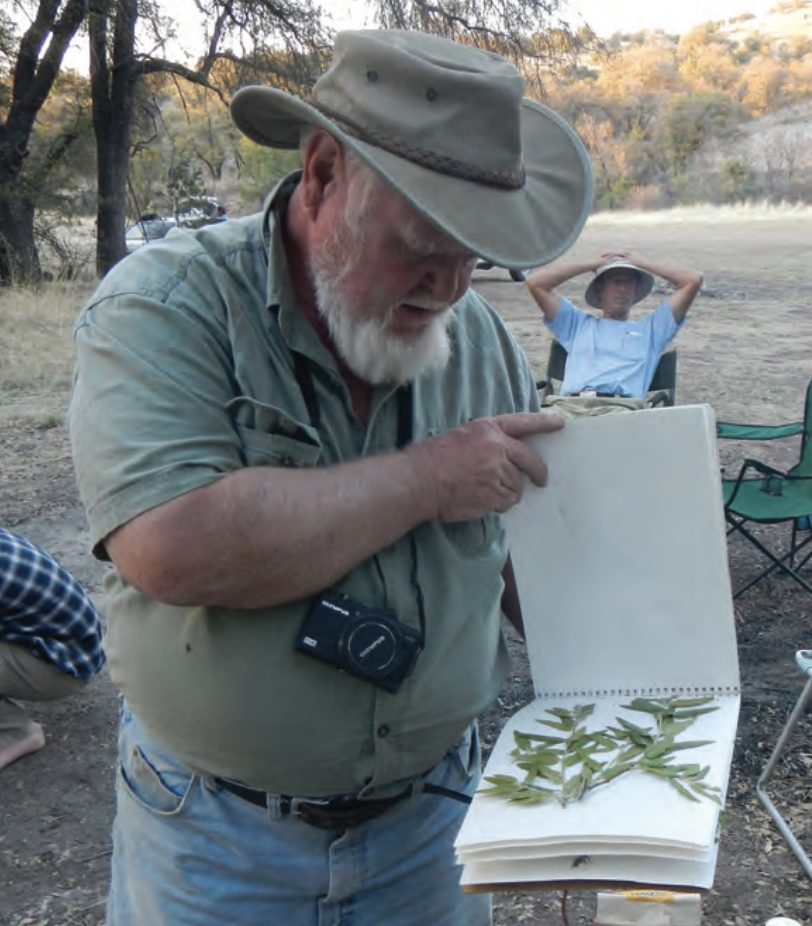
New Tree Species, Jaguar Tracks, Spring Surveys
SIA discovers a new tree species in the U.S. (willowleaf oak) in the Patagonia Mountains. Volunteers document jaguar tracks in the Santa Rita Mountains. SIA receives an award from Robert Redford and Don Henley, cohosts a Desert Landscape Conservation Cooperative meeting in Aguascalientes, Mexico, surveys dozens of springs, and begins tracking data on iNaturalist.
2015

New Website and New Project in Aravaipa
SIA launches a new website, moves offices within downtown Tucson, and starts work on vinca eradication in Aravaipa Canyon.
2016

New Executive Director, Volunteers Shine
Louise Misztal takes over as executive director, 612 people volunteer 12,621 hours for community science and restoration work, 6,000 native plants are installed, and 2,746 species are observed in our Nature Watch program.
2018

Sister Parks and Pollinator Islands
SIA publishes its first bilingual annual report, surveys 57 springs, installs 76 pollinator islands, adds 4,559 native plants, and logs 9,000 volunteer hours. We also host the fourth Madrean Archipelago Conference, launch a Sister Parks Program, and hire Program Director Emily Burns.
2019

Border Cameras, Springs, and Student Collaborations
SIA volunteers log 3,400 hours on projects in the region, and we formalize an agreement with UniSierra in Moctezuma to support the next generation of conservationists in Mexico. We also release our first Border Camera Summary Report, launch our Spring Prioritization Tool, plant 30 black walnut trees in Black Canyon, and complete a multi-year spring survey in wilderness areas of the Coronado National Forest.
2020

Pandemic Pivots, New Projects Take Root
SIA quickly downsizes, moving to our new Tucson office on Cherry Street, and most staff begin remote work. We launch our FotoFauna, Spring Seeker, and Border Wildlife Study projects. The Bighorn Fire burns 120,000 acres in the Catalinas. Volunteers log 2,500 hours. In Sonora, we partner with Naturalia to install fencing and add 3,000 native plants.
2021

Rockin’ and Rollin’!
SIA volunteers log an impressive 8,199 hours of work. Our Border Wildlife Study documents 40,000 wildlife sightings over 30 miles of border. FotoFauna expands to 283 cameras in the network. Spring Seeker volunteers survey 325 springs in the Catalina wildfire footprint. 55 rock structures are installed in the Galiuro Mountains. And we work with Mexico’s Comisión Nacional de Áreas Naturales Protegidas on developing a management plan for the Bavispe reserve in Sonora.
2022

Bad Muro, Forever Fund
SIA adds new staff in Mexico and opens a collaborative office at the Universidad de la Sierra in Moctezuma, Sonora. We create the Forever Fund to ensure the future of SIA’s work in the region. SIA cohosts a screening of “American Scar,” a short film by The New Yorker about the border wall. And we document the placement of a makeshift wall of shipping containers at the border, which is later removed.
2023

New Voices, New Partners
We launch “Mujeres Fronterizas,” a podcast featuring women in conservation; the Centinela, a monthly Spanish-language newsletter; and Ranchos Regenerativos, a partnership starting with five ranches in Sonora. SIA begins campaigns to survey springs ahead of proposed mining in the Patagonia Mountains and to rewild roads in the Coronado National Forest.
2024
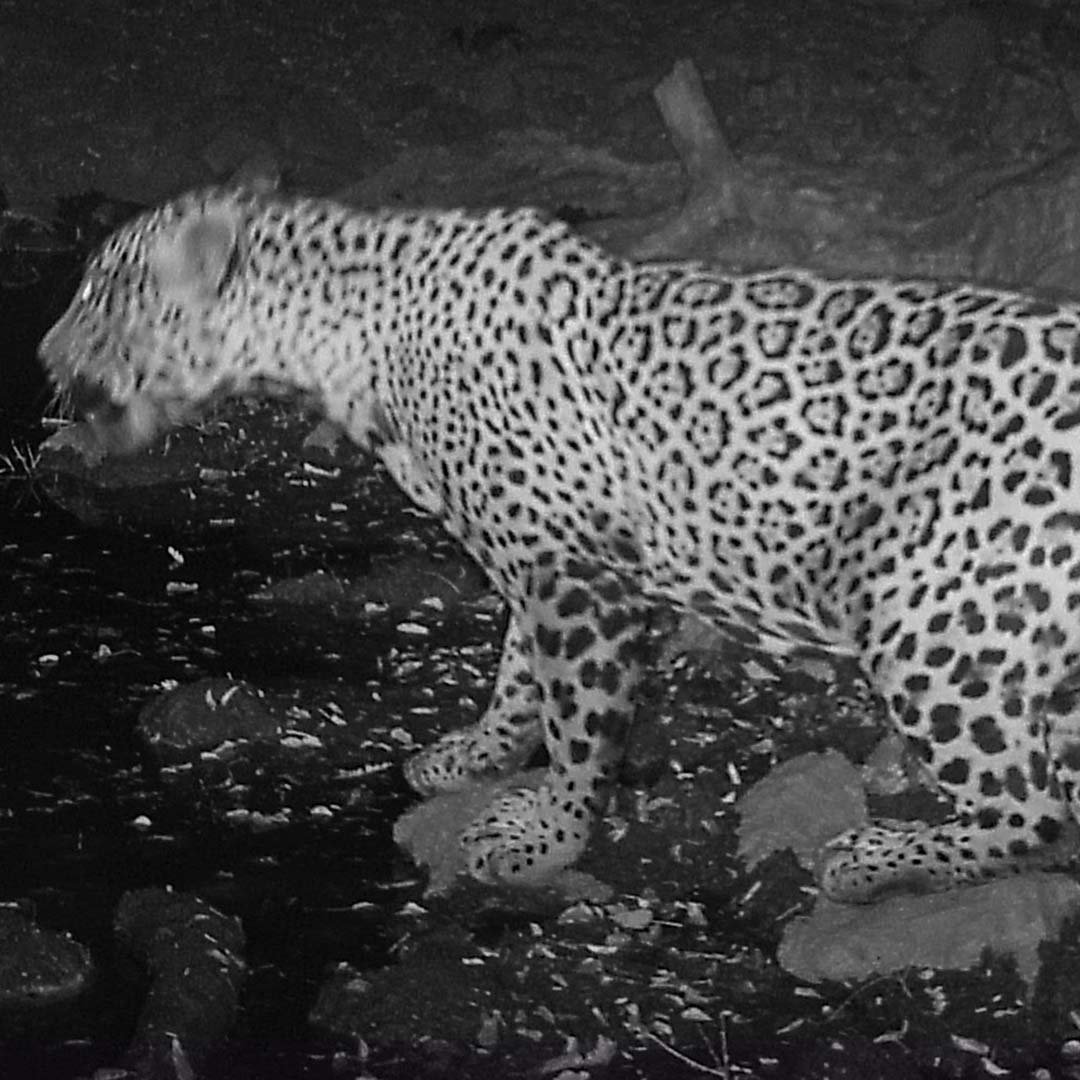
Jaguar in the Whetstones
2024 starts with big news: a jaguar is photographed in the Whetstone Mountains by SIA cameras. It reinforces our focus on the Path of the Jaguar, the connected habitat that jaguars need to travel between Sonora and Arizona.
2025
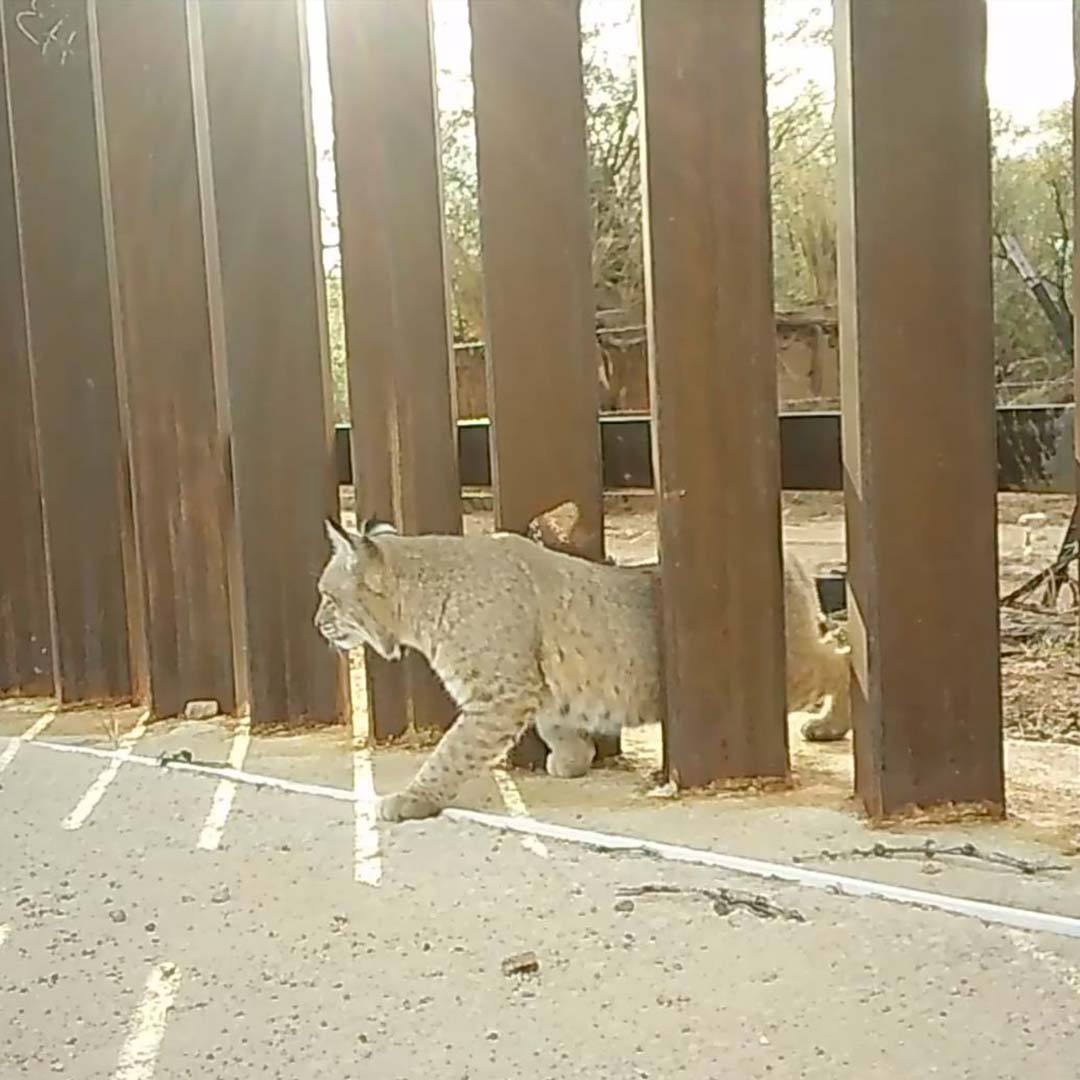
Cananea Office, Border Wildlife Findings
SIA opens a new office in Cananea, Sonora. A paper from our Border Wildlife Study is published, examining the impacts of different barriers on wildlife movement along the border.
2026

35 Years, Growing Reach
SIA celebrates our 35th anniversary and expands our springs work. We hire new staff in Sonora and grow our collaborations with ranches and universities there.