

- Ranchos Regenerativos Home
- Program Strategies
- How to Participate
- Gallery of Regenerative Practices
- Support Our Ranch Work
- Resources
- Frequently Asked Questions
In this gallery we invite you to visually explore the various activities that are part of our regenerative ranching project in the Sky Islands. Here you can see how nature and community work come together to conserve and restore ecosystems. Each image is a reflection of the great effort of volunteers, ranch owners, and the SIA team.
Erosion-Control Structures
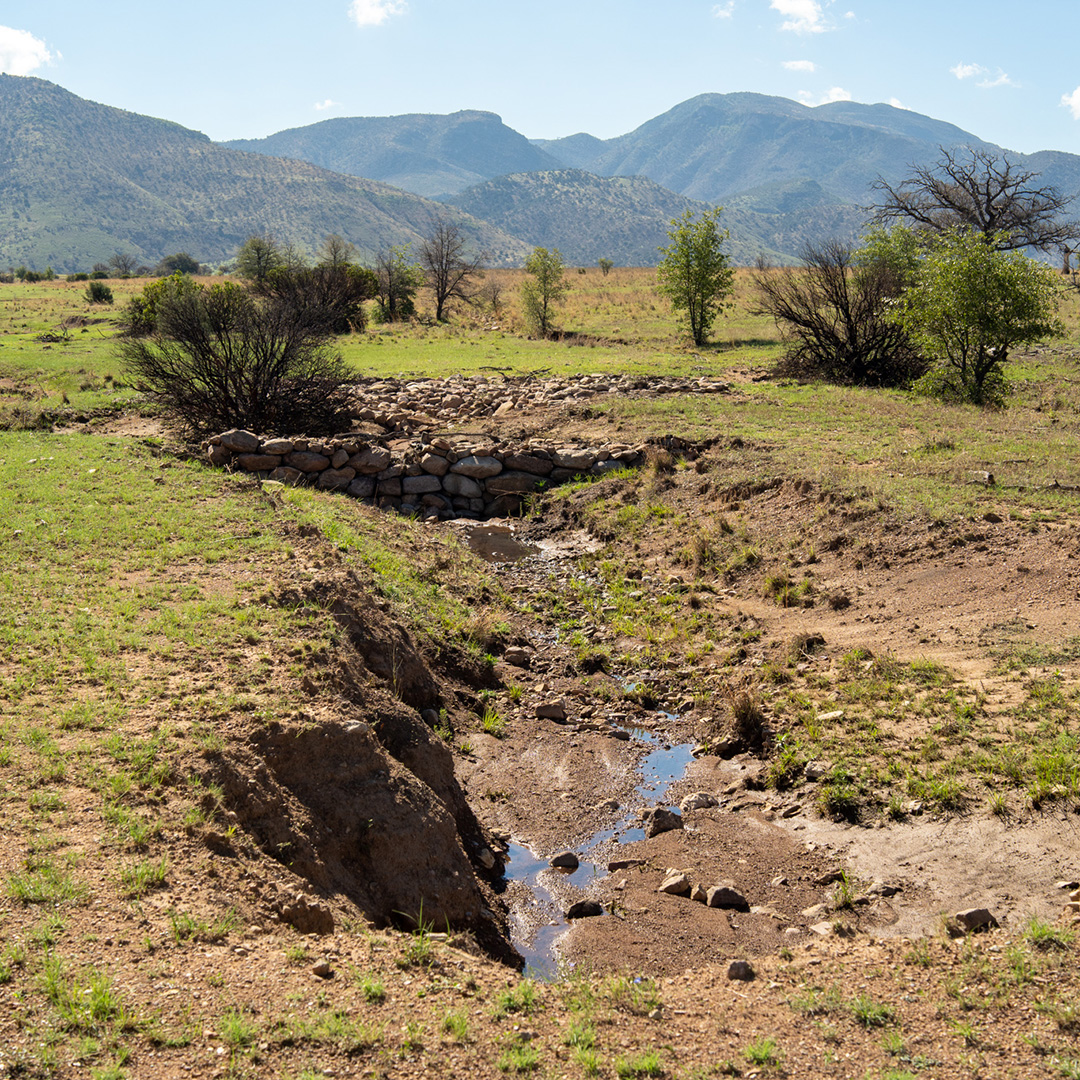
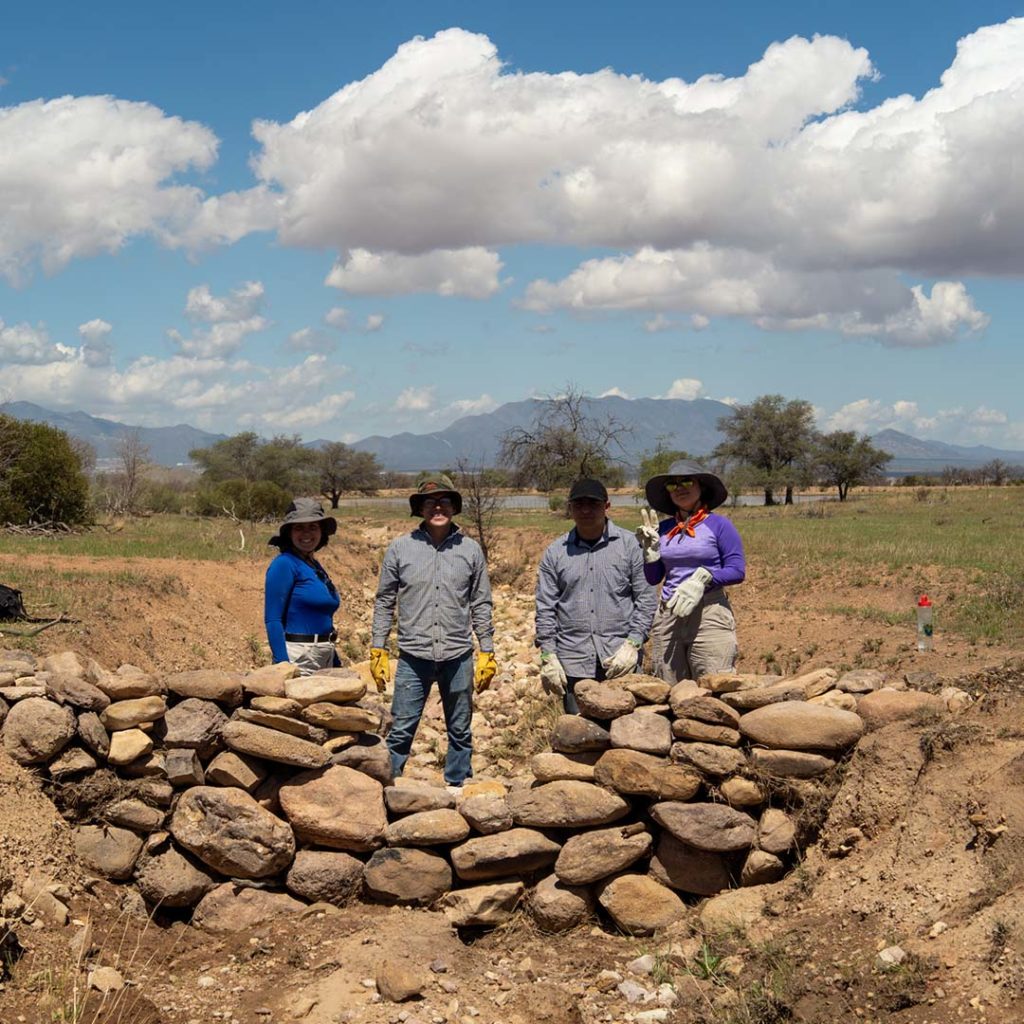
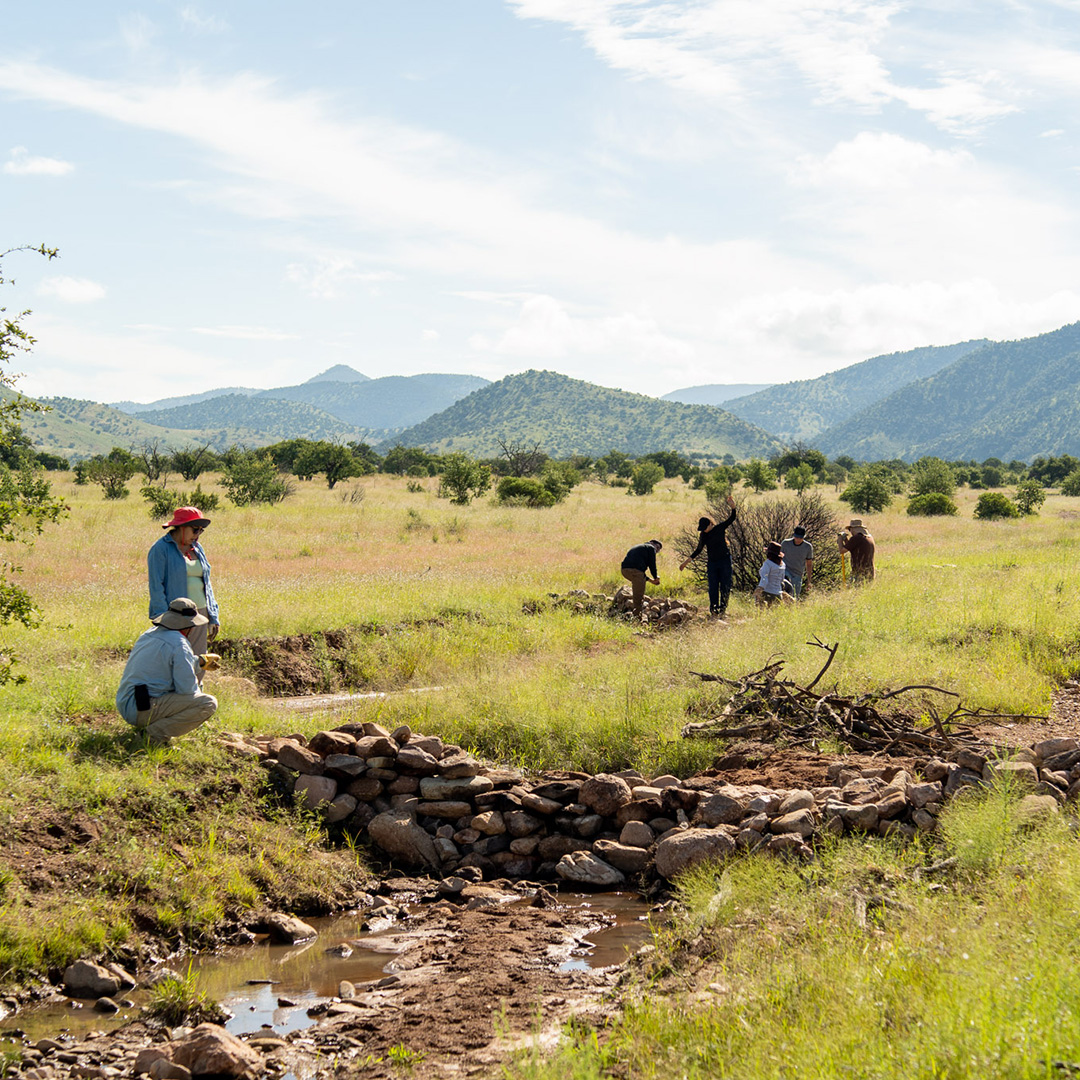
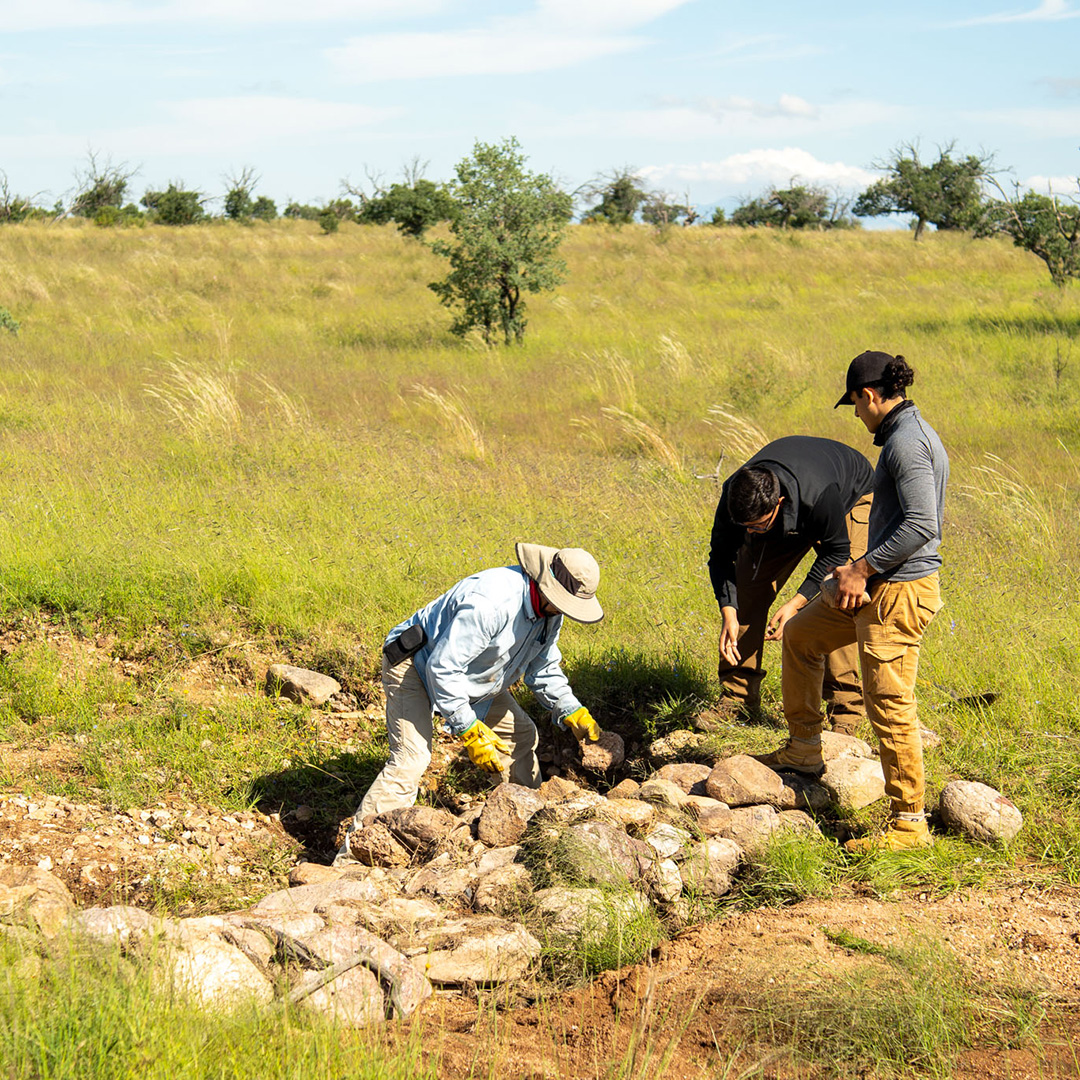
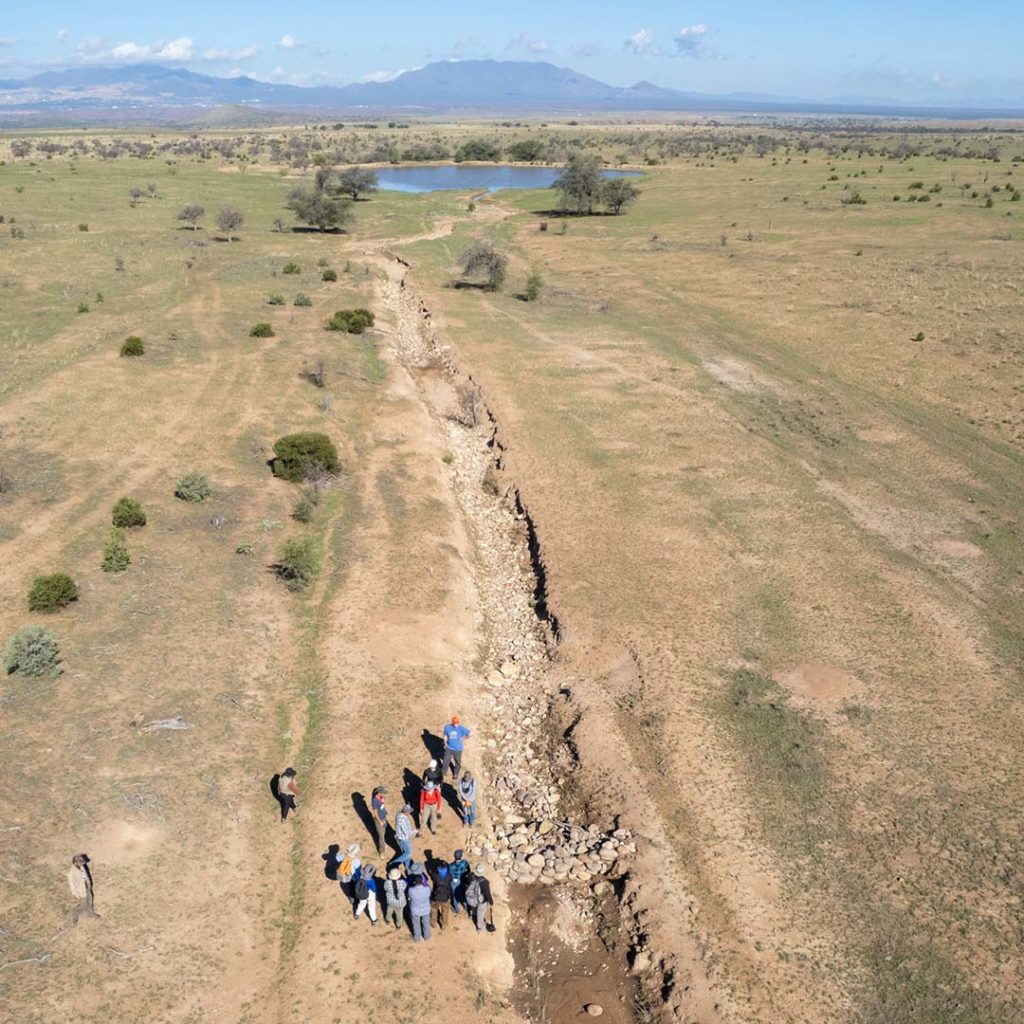
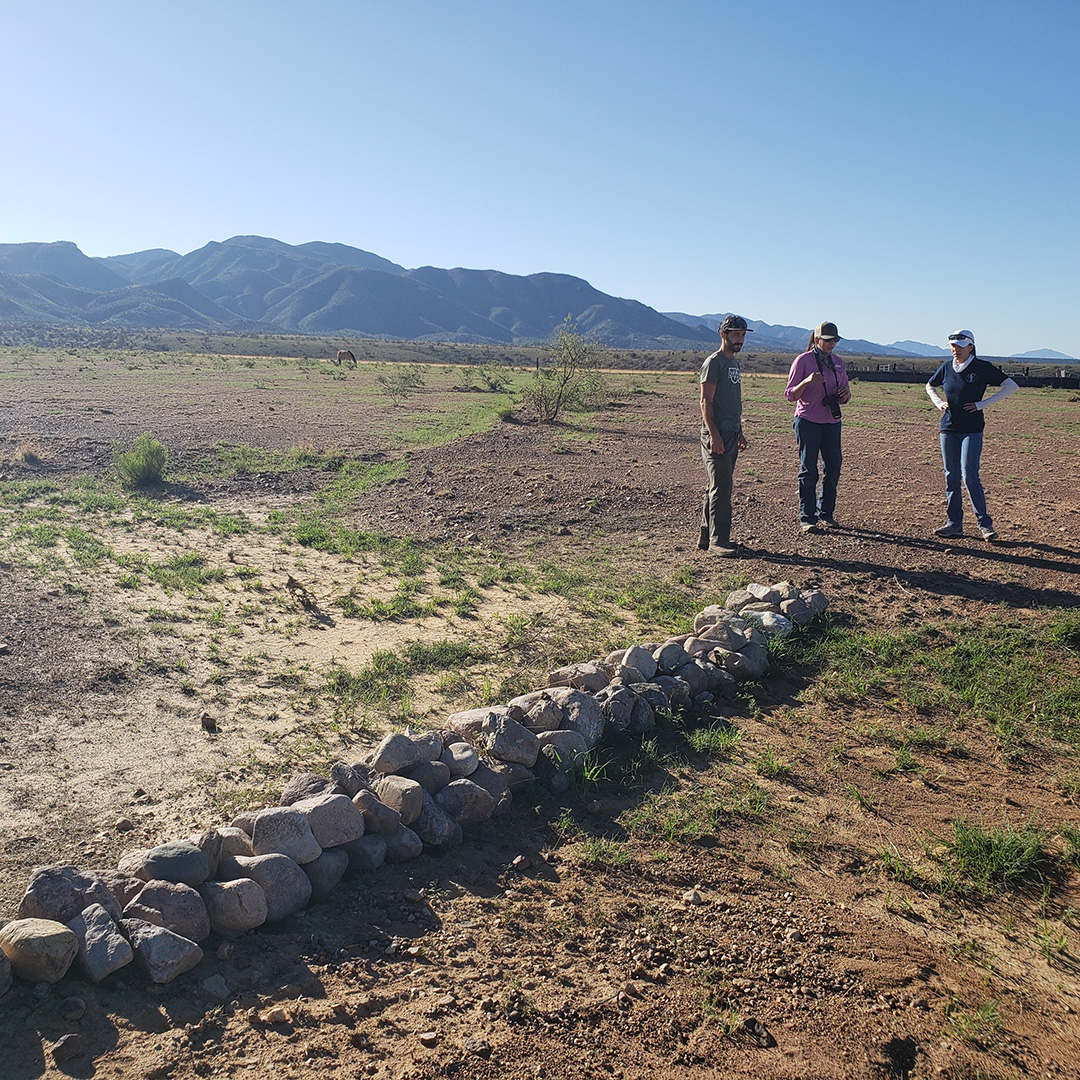
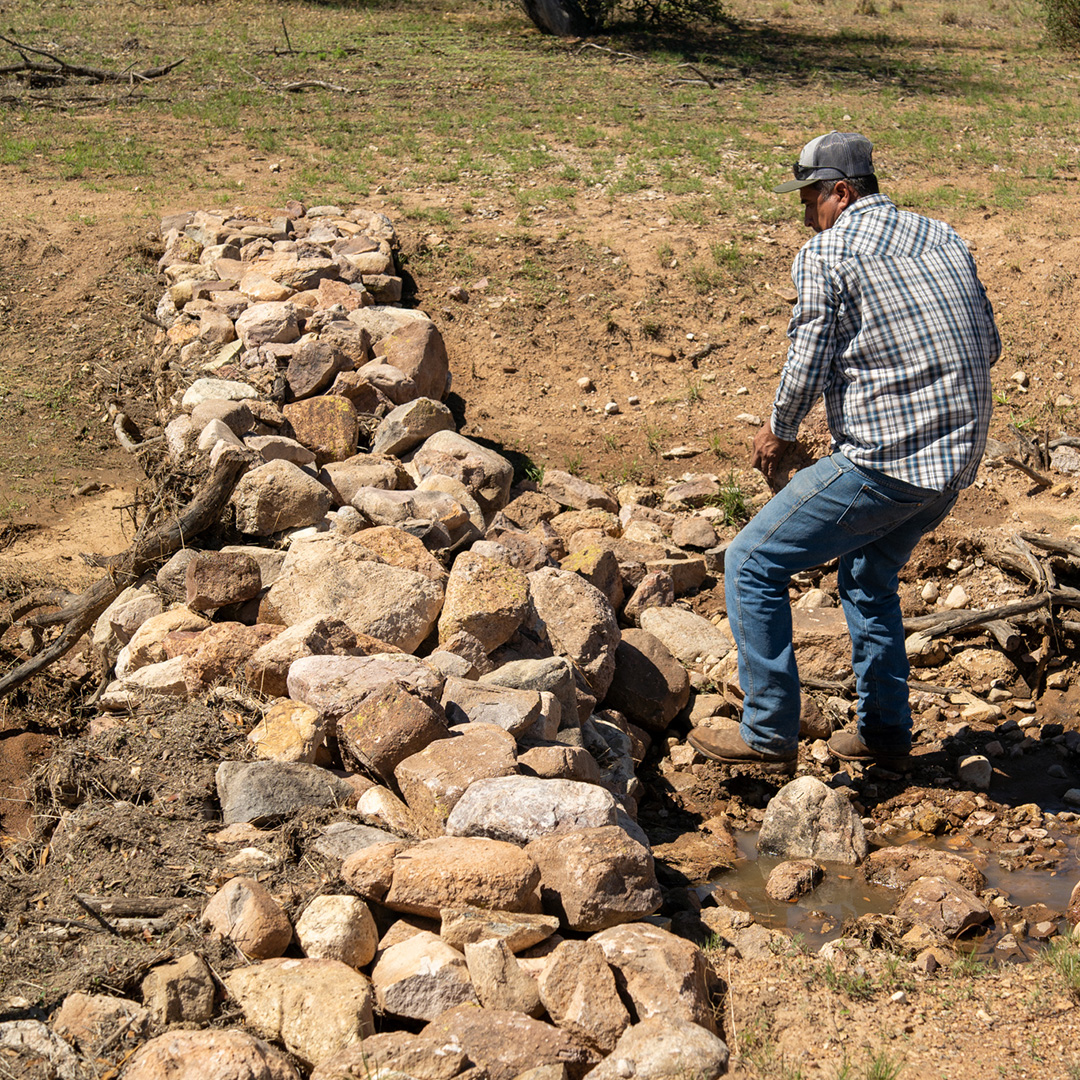
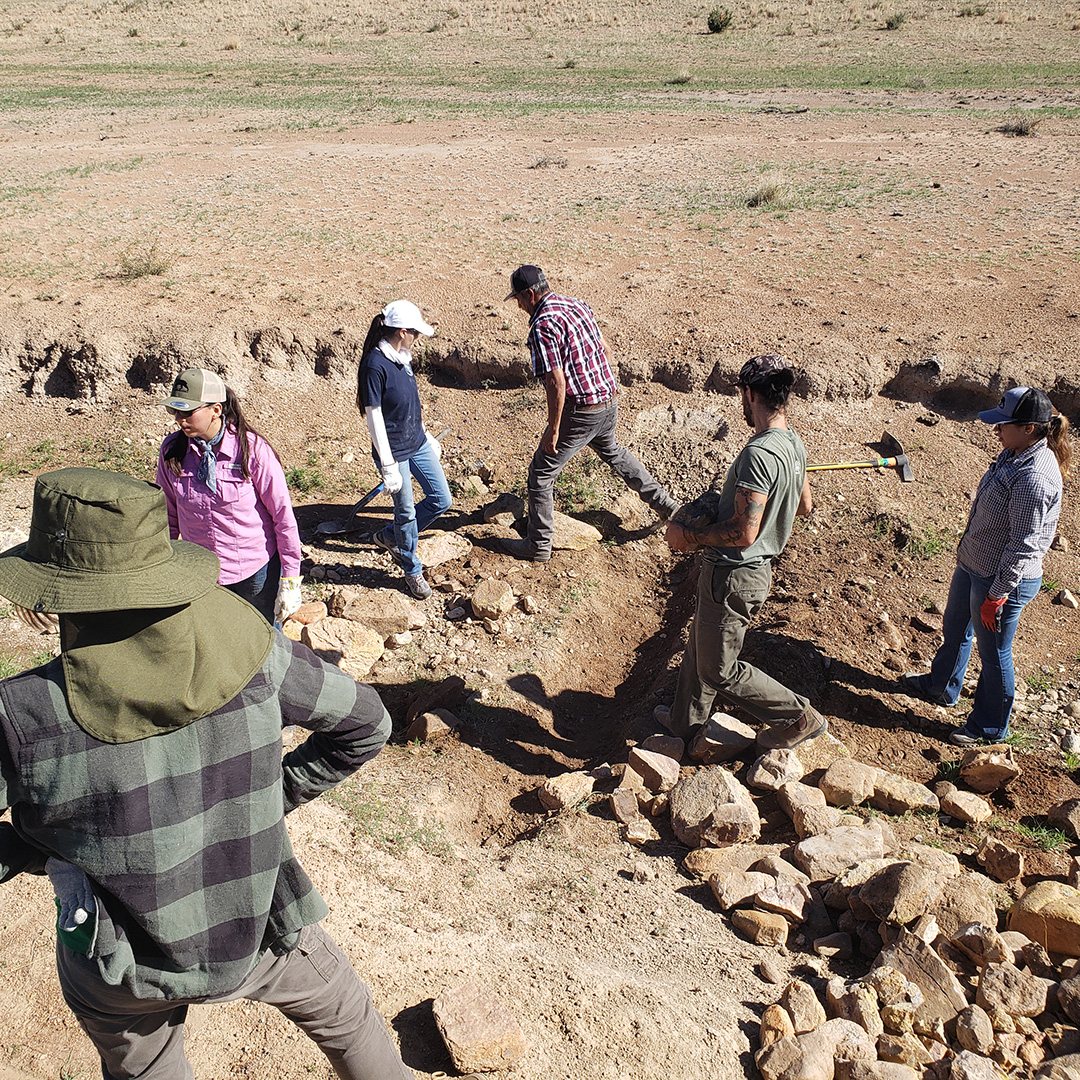
When rainwater runs with great force, it carries away the soil and leaves the ground depleted, especially if the land has been degraded. These structures help with water infiltration, and they slow down the flow, reducing soil erosion. Over time, they trap sediments, retain more moisture, and allow the soil to regenerate, promoting plant growth and increasing land stability.
Contour Trenches / Swales
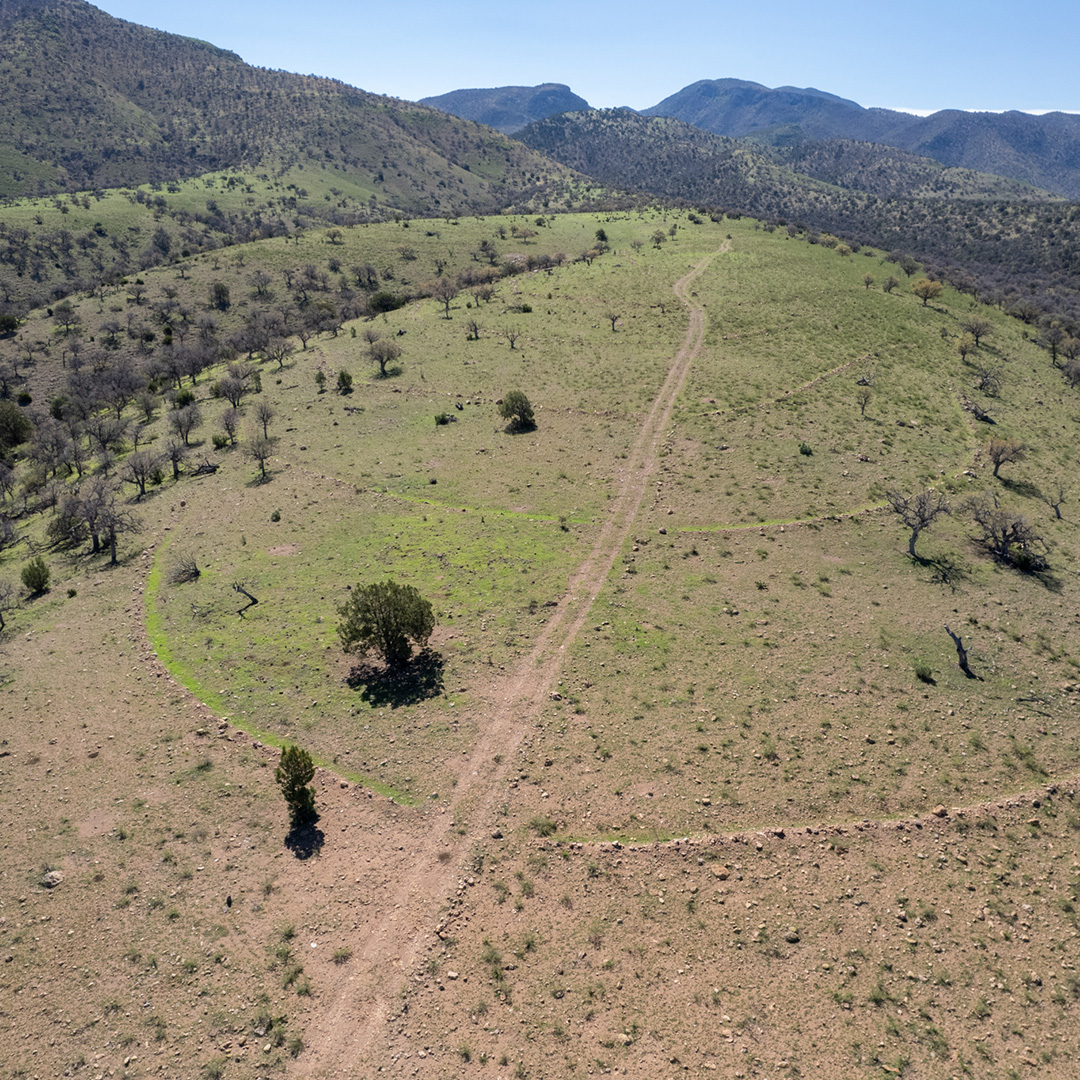

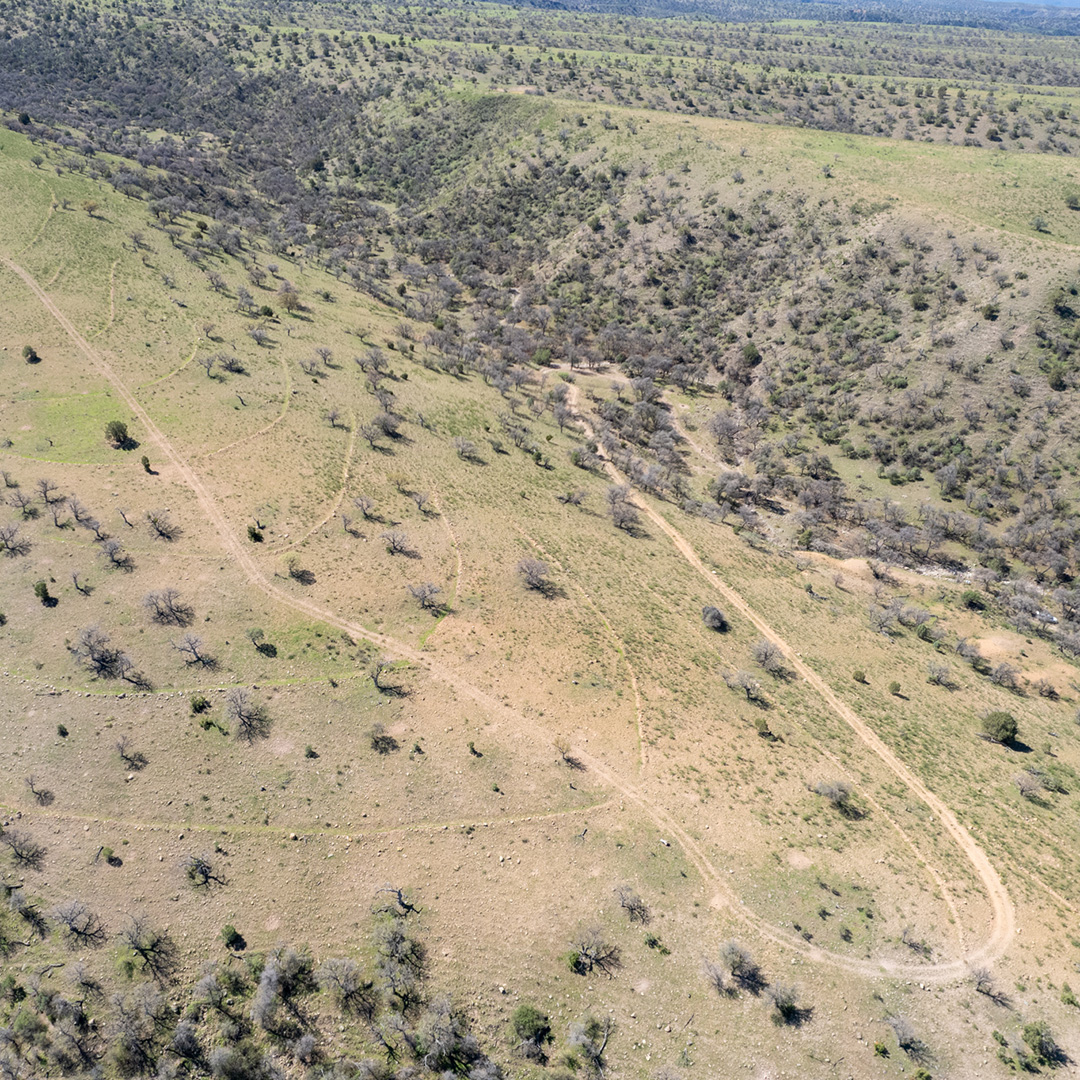
This technique involves creating trenches that follow the natural contours of the land. It helps maintain moisture and soil fertility, and it creates ideal conditions for native plants to grow more abundantly and diversely, restoring vegetation cover in previously degraded areas. By retaining soil with natural barriers, the earth and seeds stop moving with the wind and water, allowing the seeds to germinate and the land to regenerate.
Seed Bombs

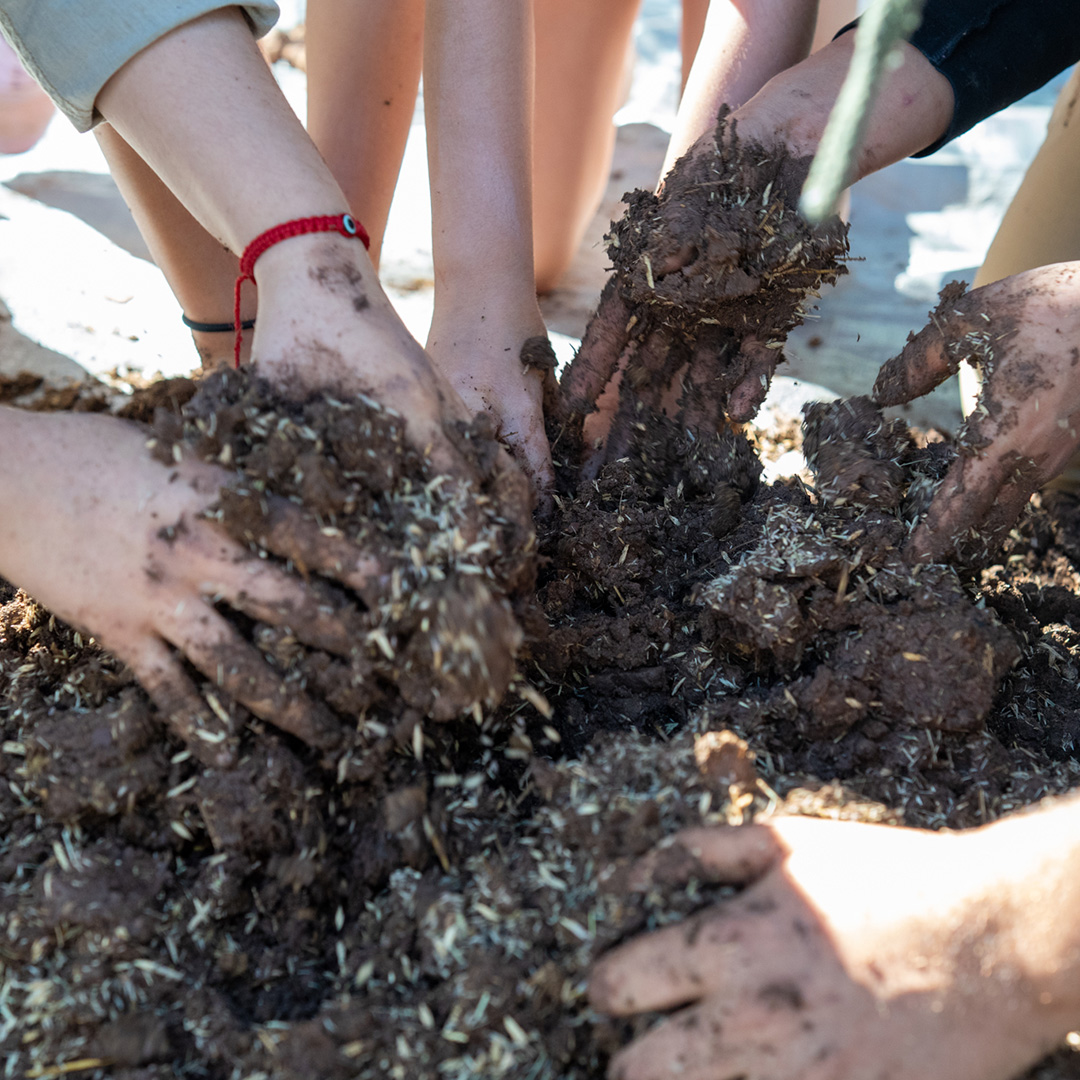
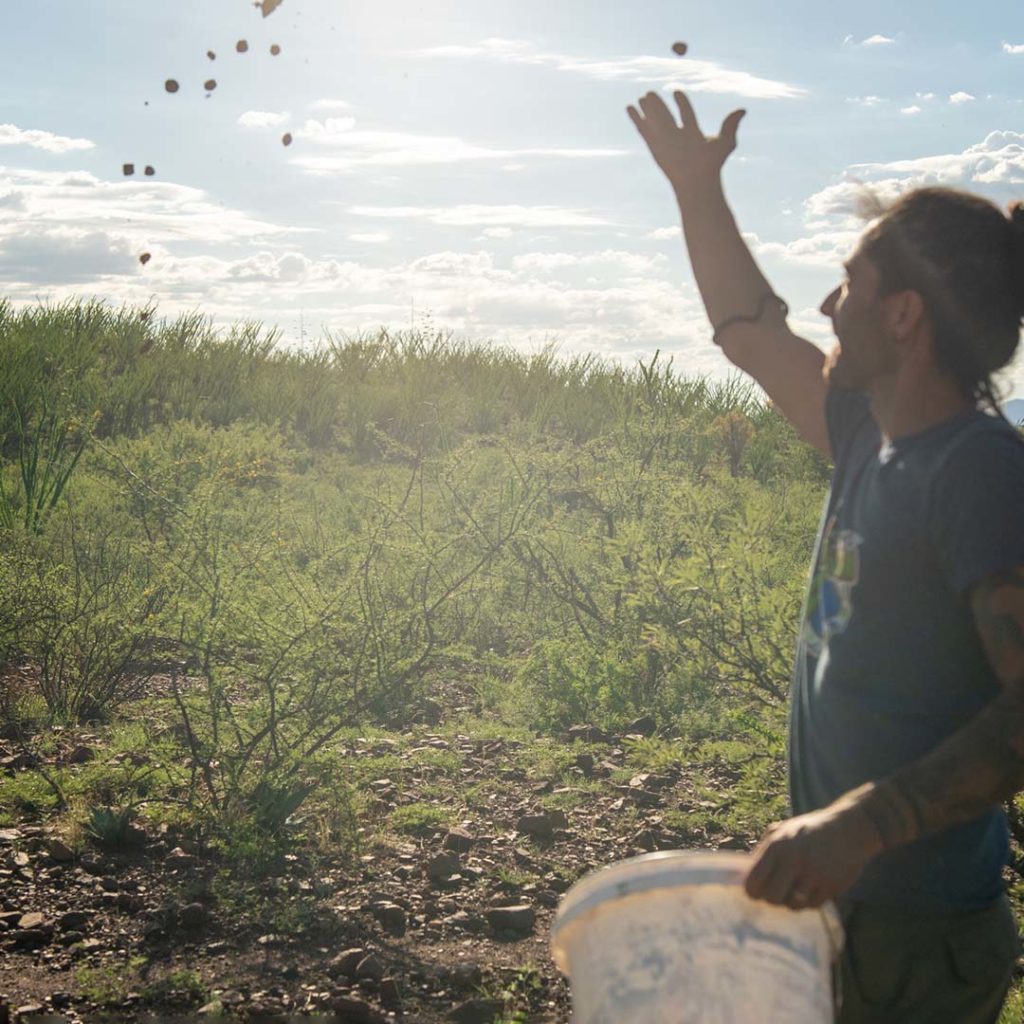
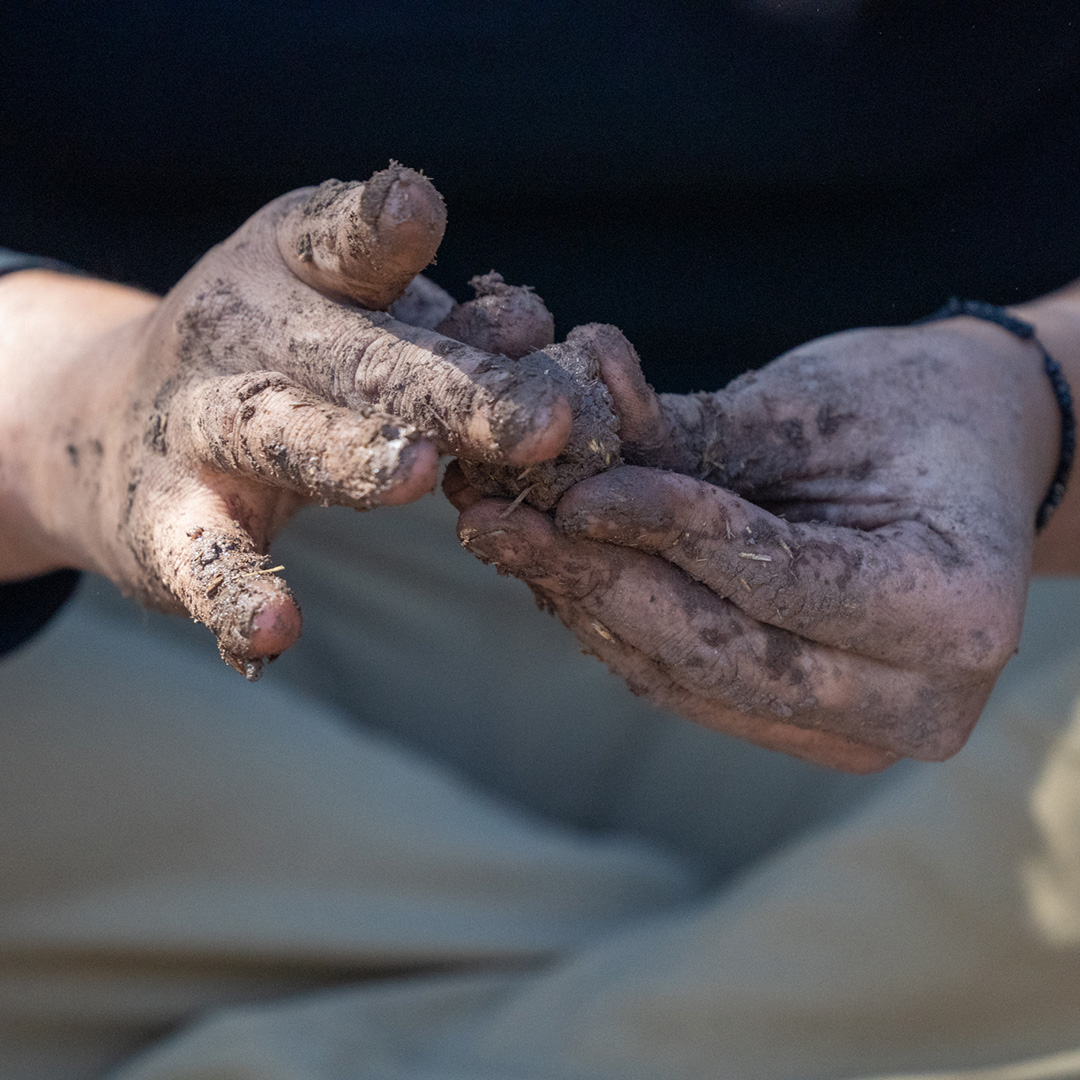
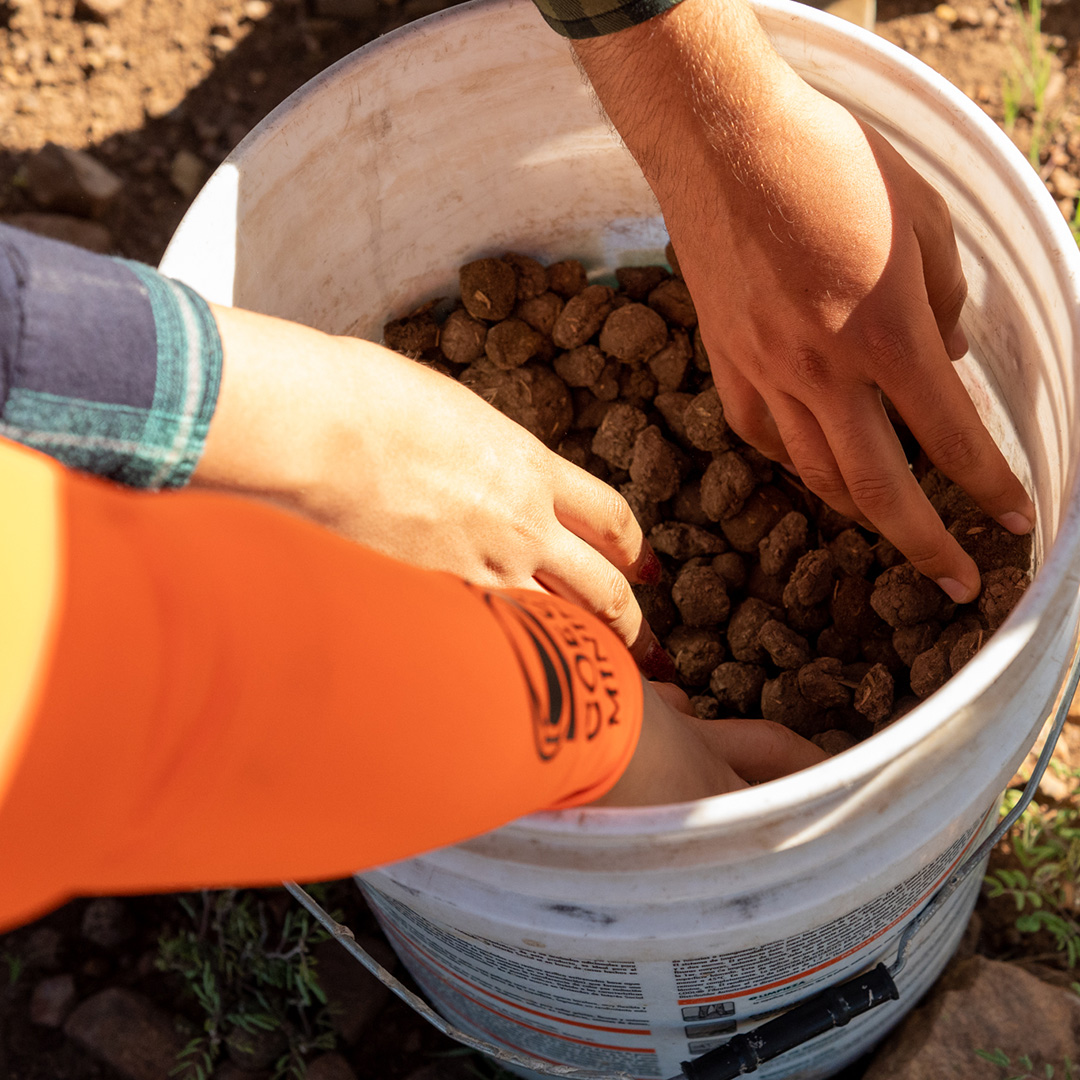
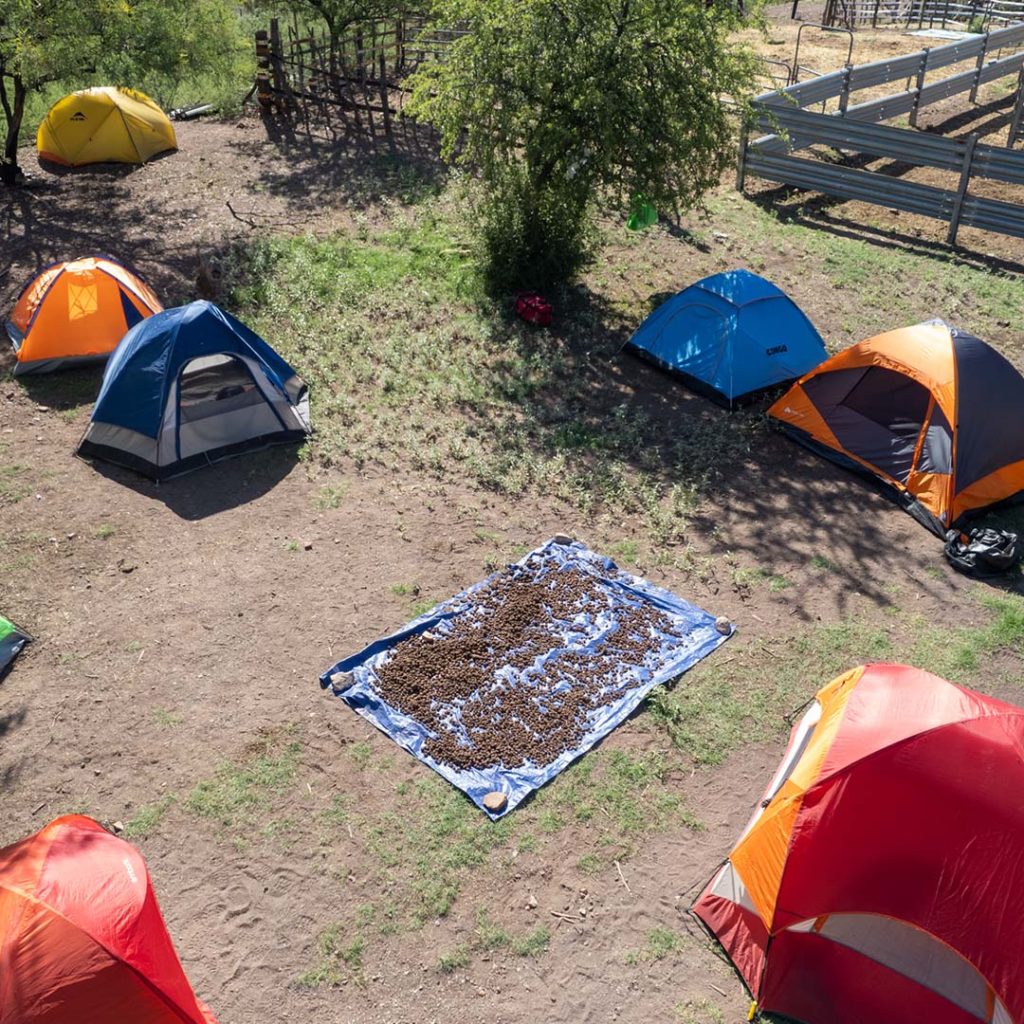


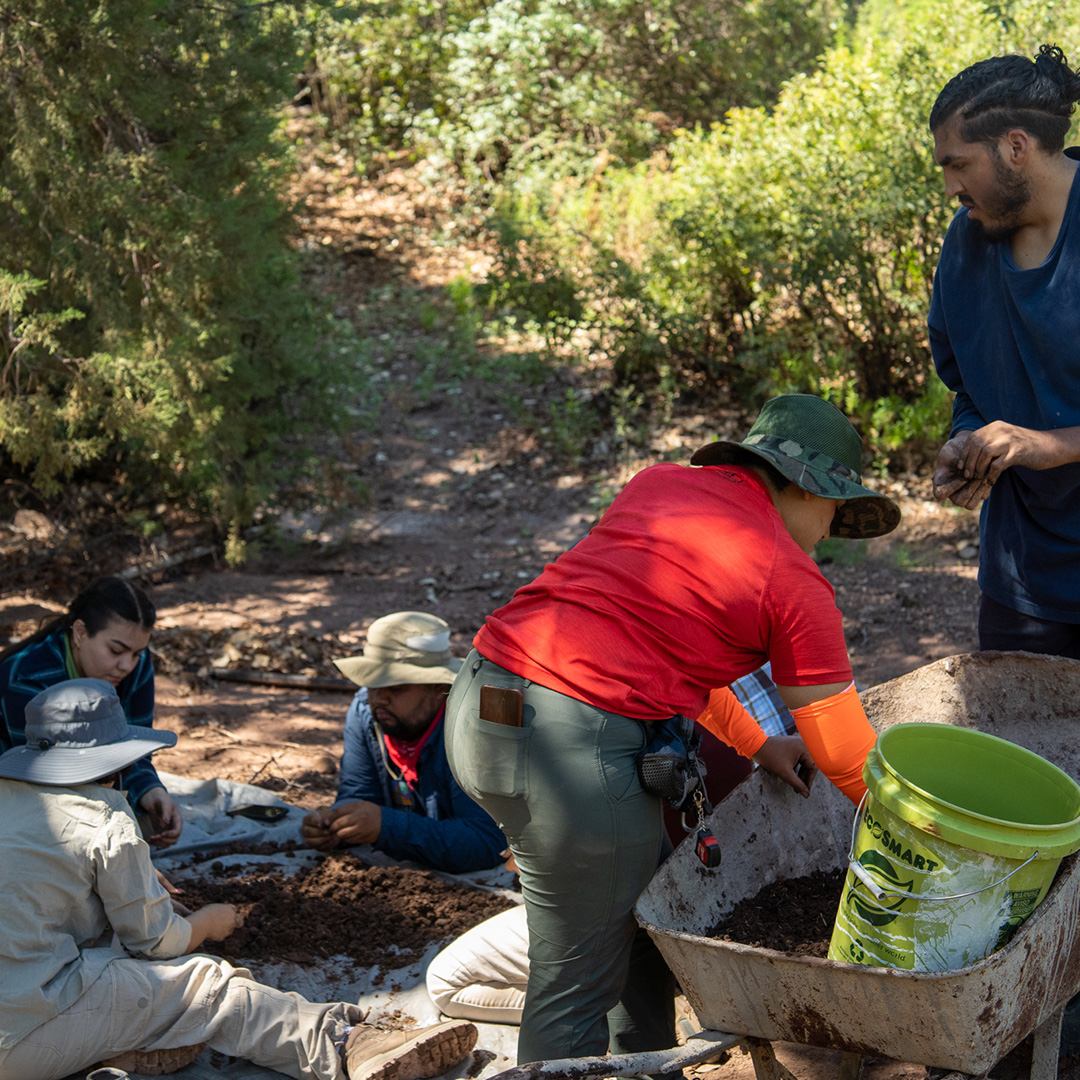
Sometimes the soil is so damaged that almost no plants remain. Spreading “seed bombs” (small balls of mud, compost, and native plant seeds) is a technique that ensures seeds have nutrients and initial protection. When it rains, these balls break apart and the seeds germinate, sprouting native grasses and shrubs. This helps prevent the land from remaining bare and regenerates vegetation that provides habitat and food for wildlife and livestock.
Reforestation
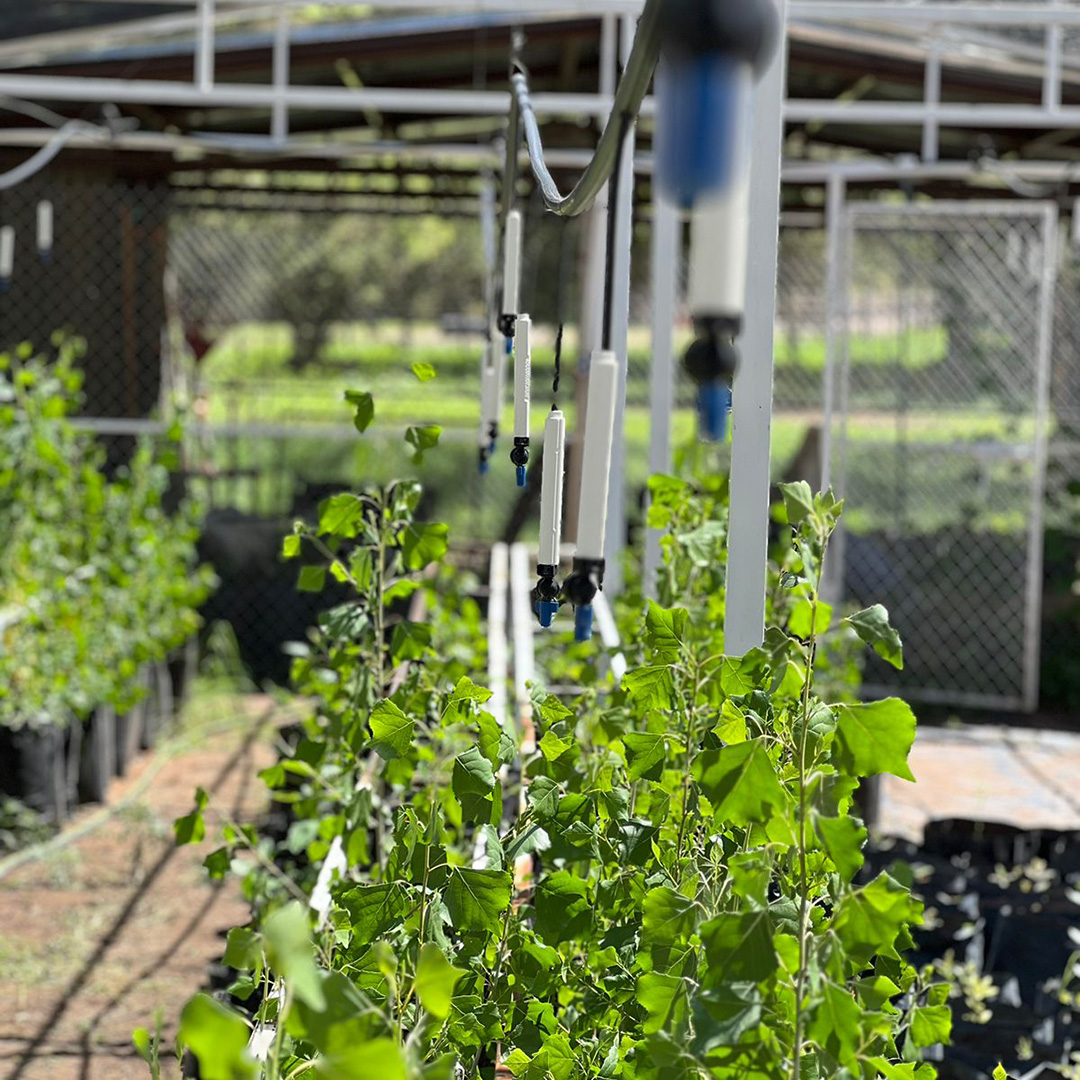
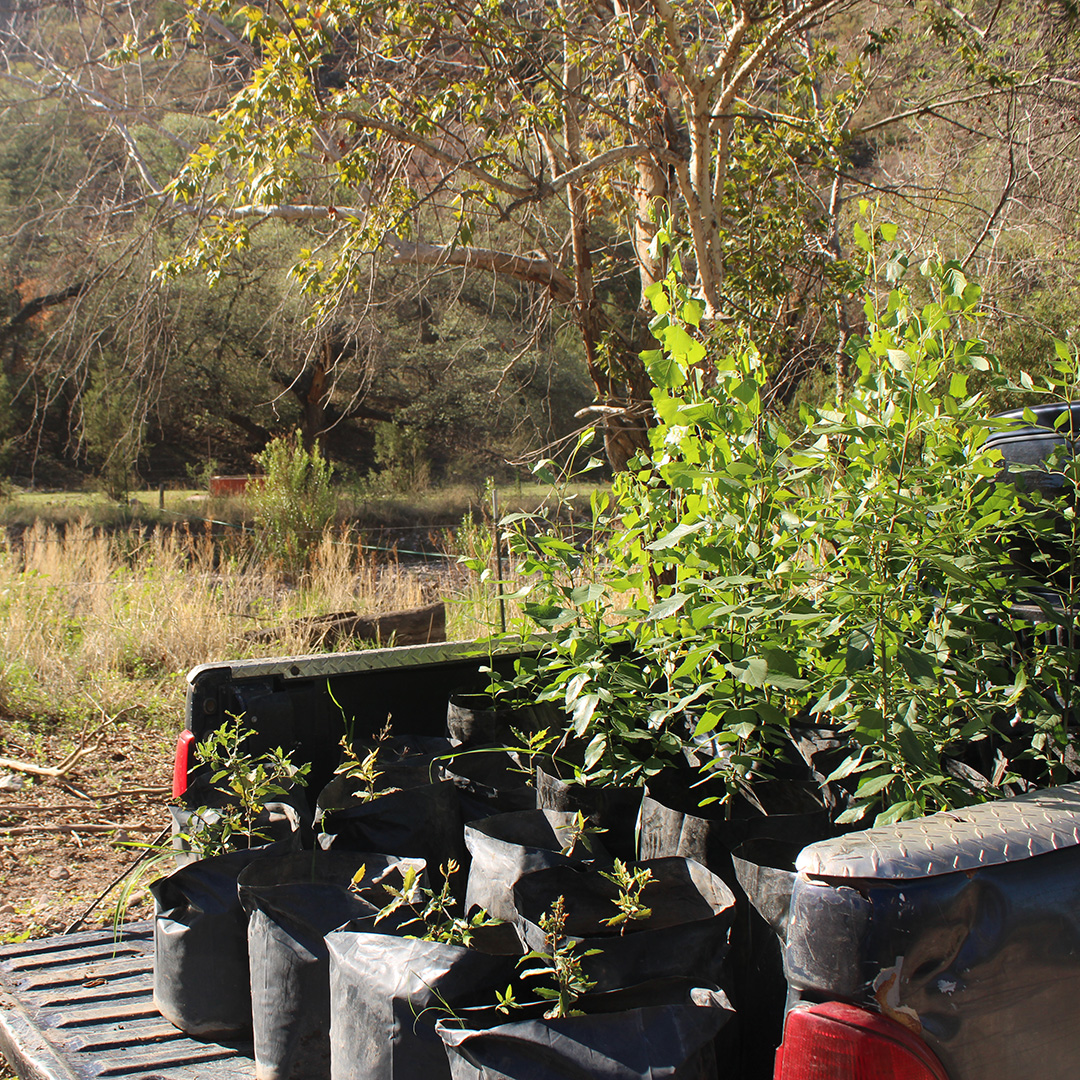
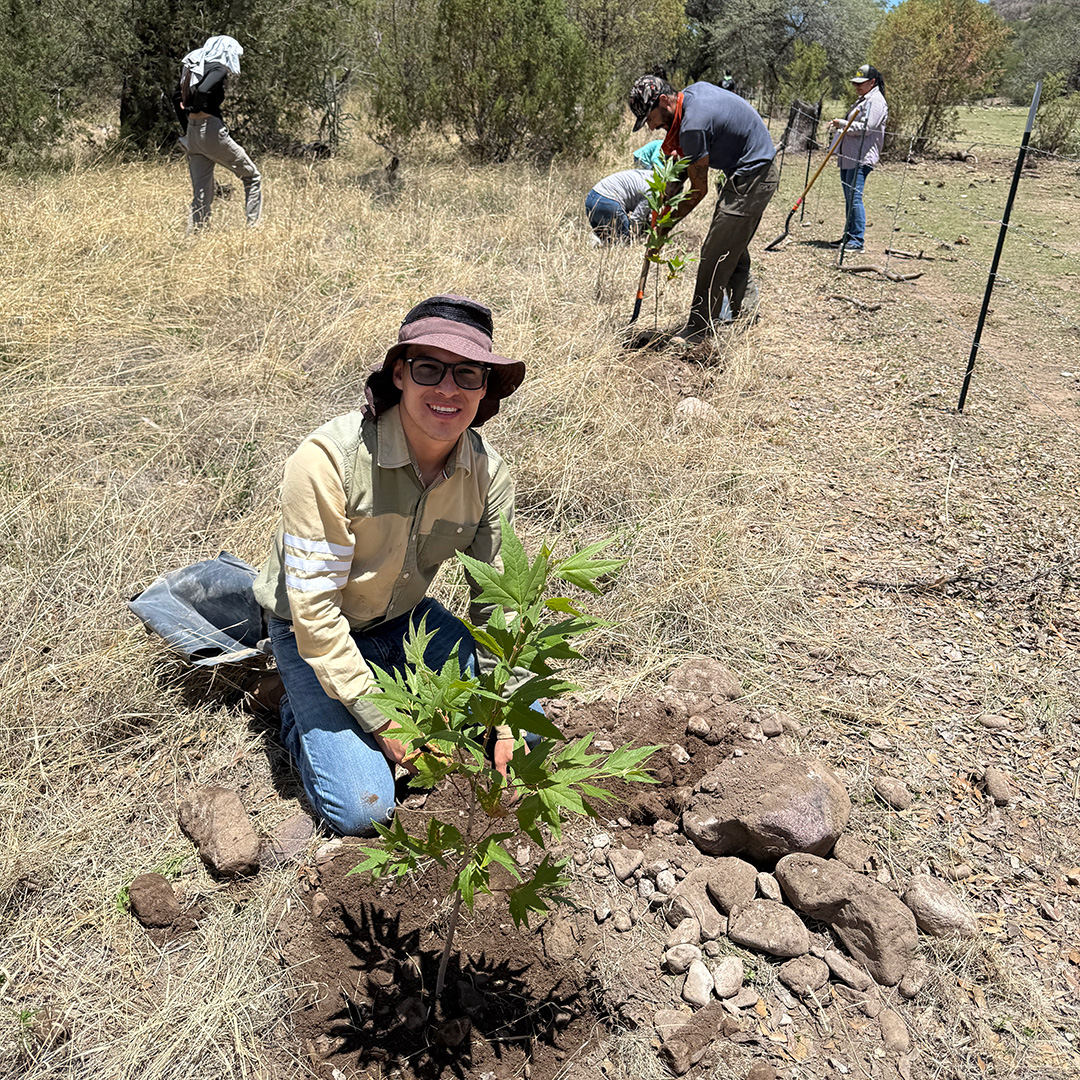
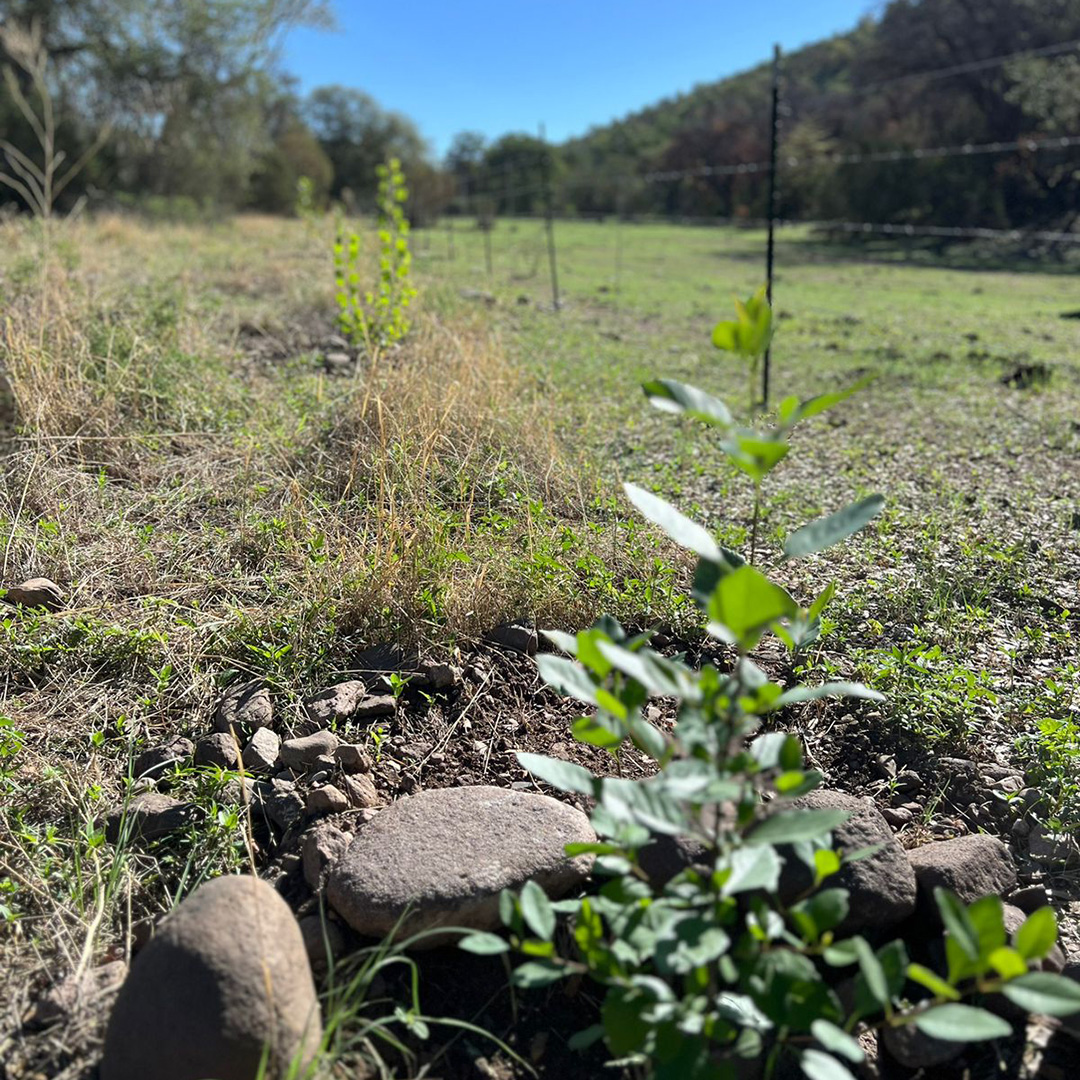
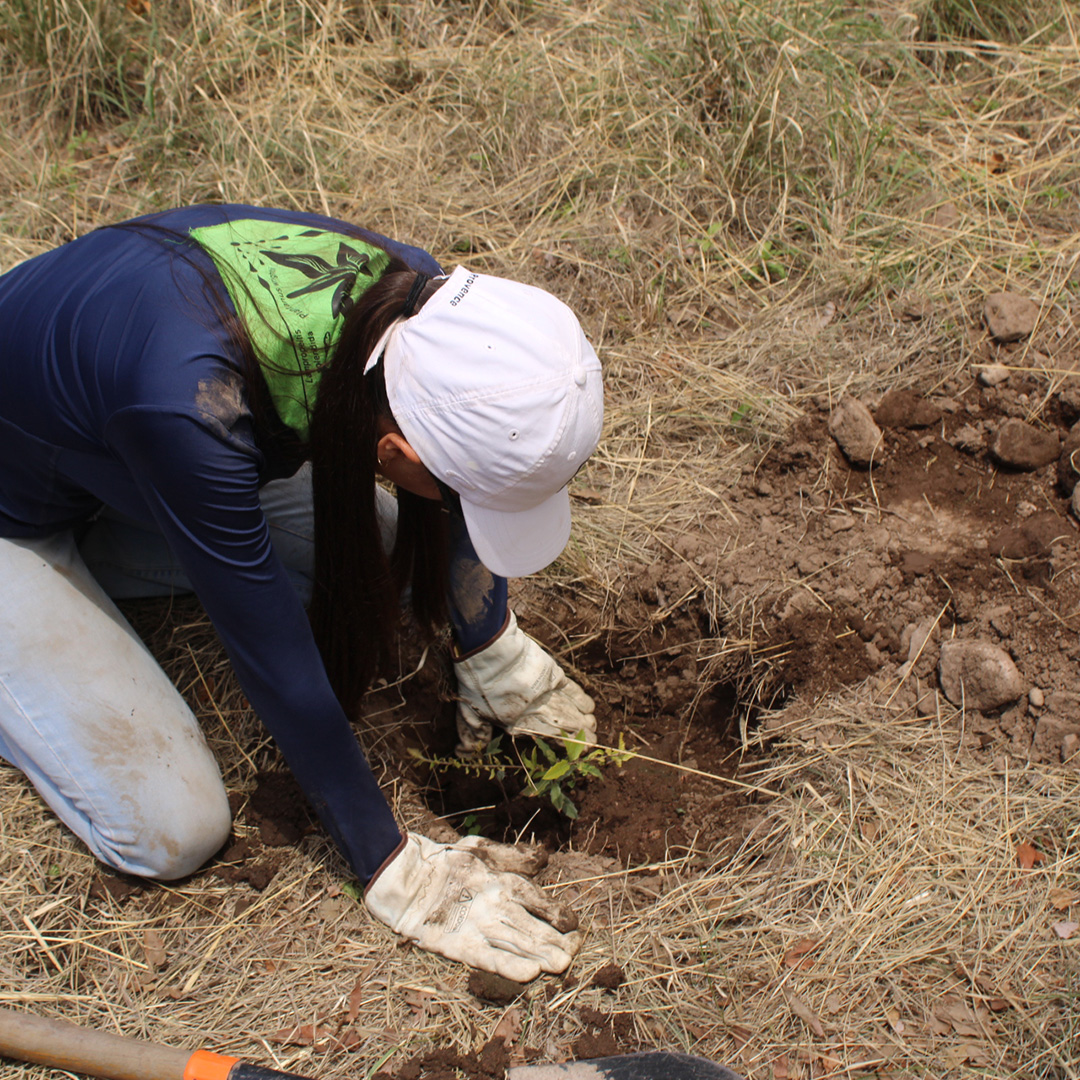
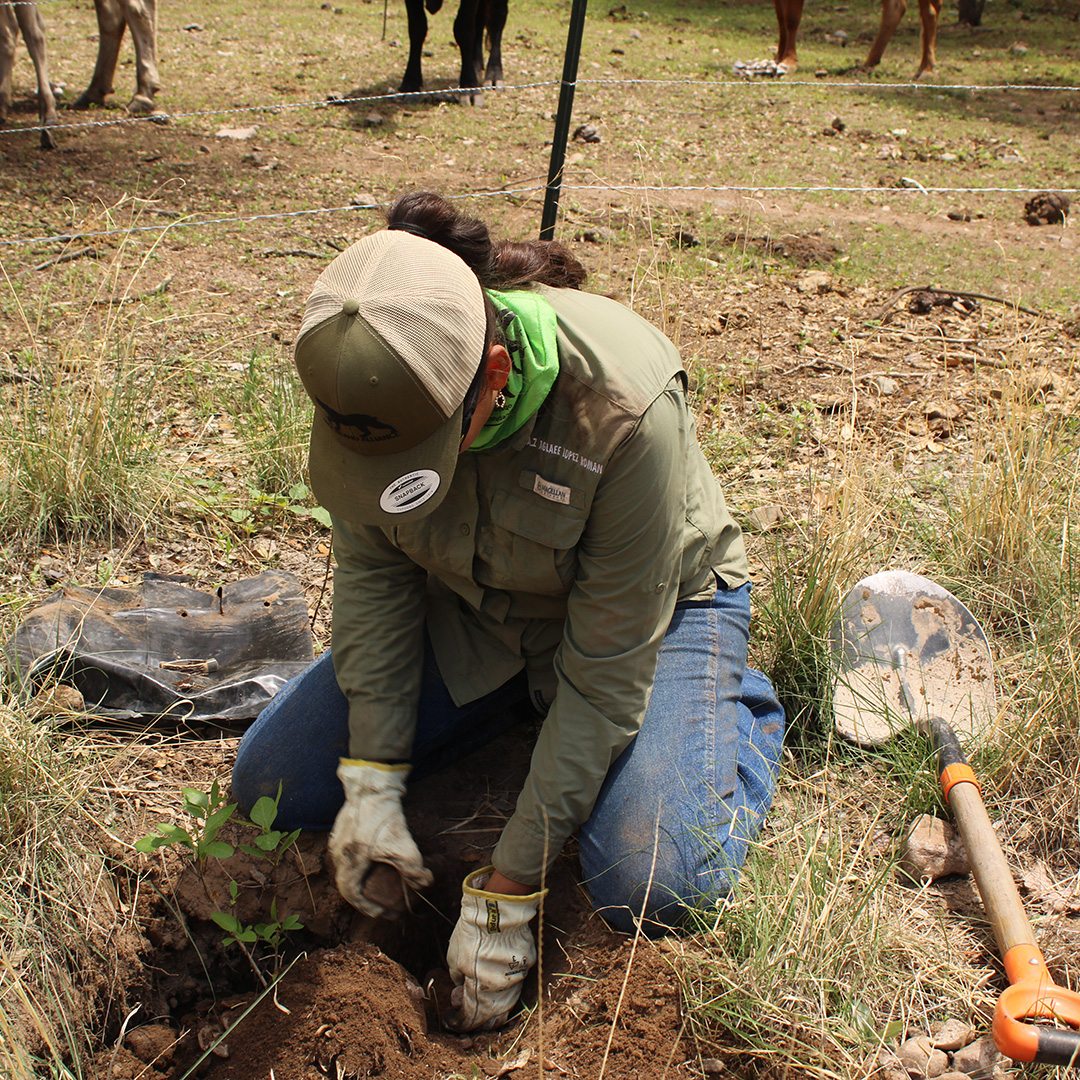
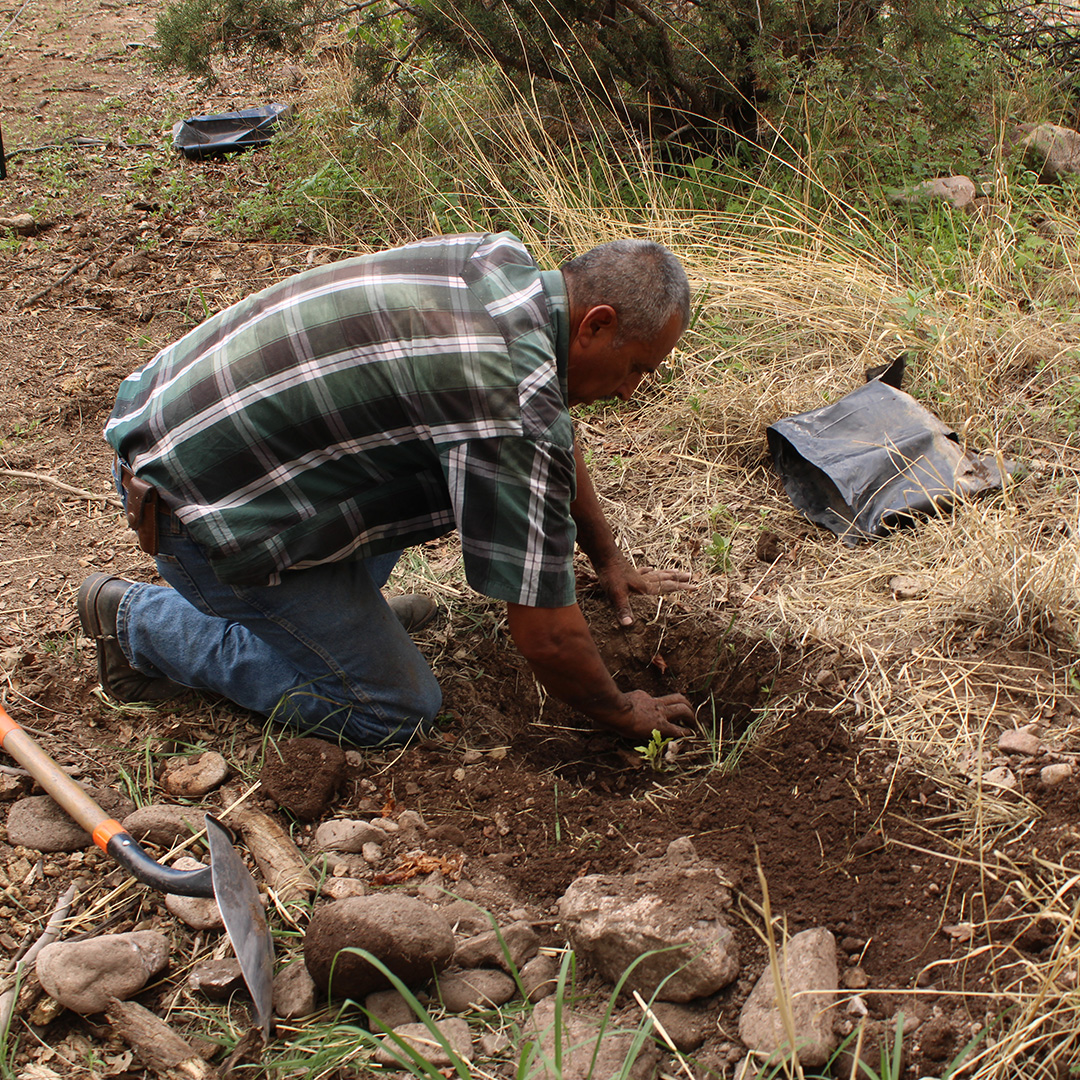
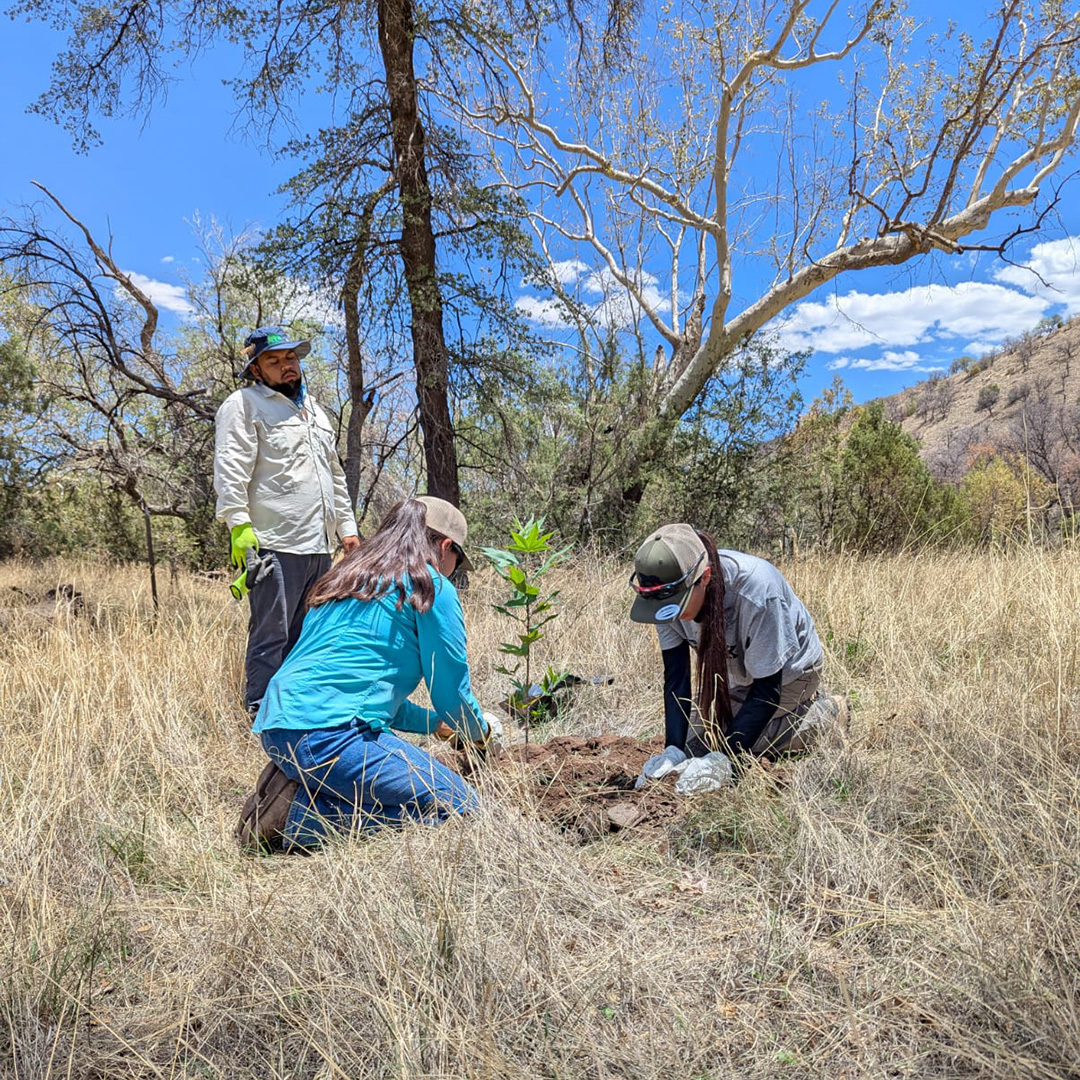

Planting native trees helps the land regain shade, moisture, and food for wildlife. It also improves soil quality, regulates temperature, reduces soil erosion, and brings back biodiversity. Trees help maintain water in streams and springs, and they attract birds and animals. This way the forest regenerates and water is protected.
Cattle Rotation and Management Using Electric Fencing
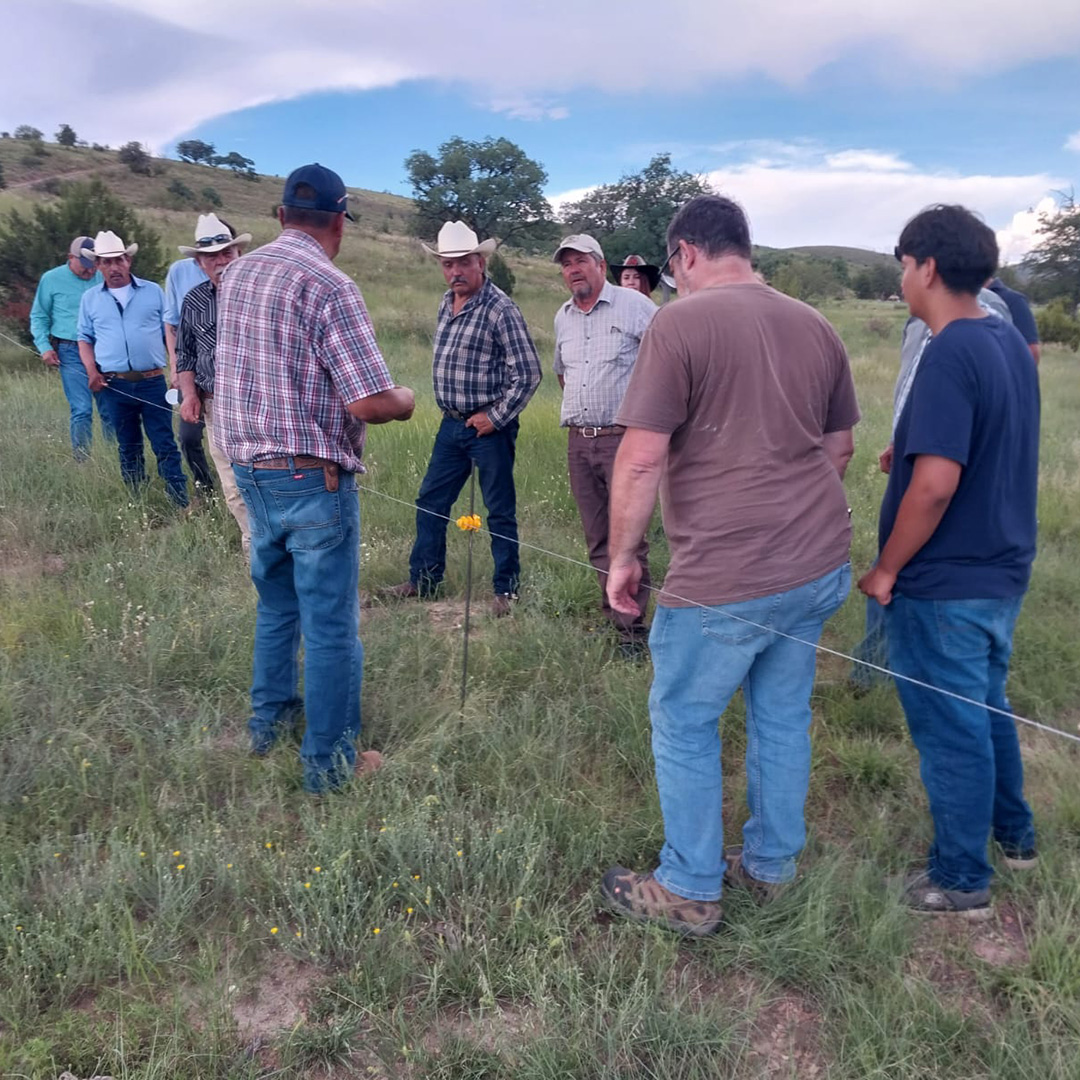


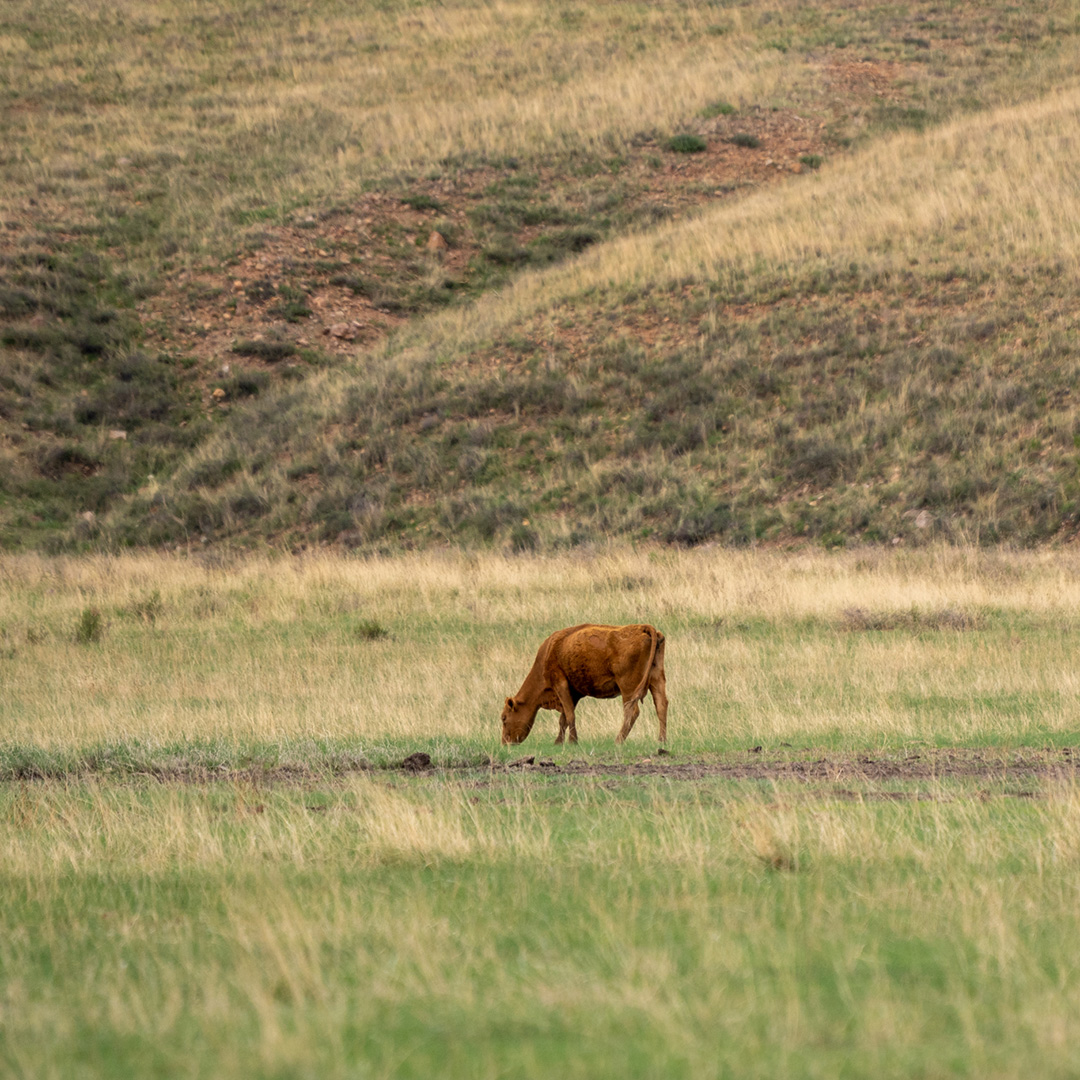
If livestock always stay in the same place, the grass will become depleted and the land will degrade. Livestock rotation across paddocks, supported by electric fencing, allows grazing areas to rest and regenerate. This management technique prevents soil exhaustion, promotes pasture recovery, and ensures a more balanced relationship between cattle production and conservation.
Wildlife Friendly Fencing
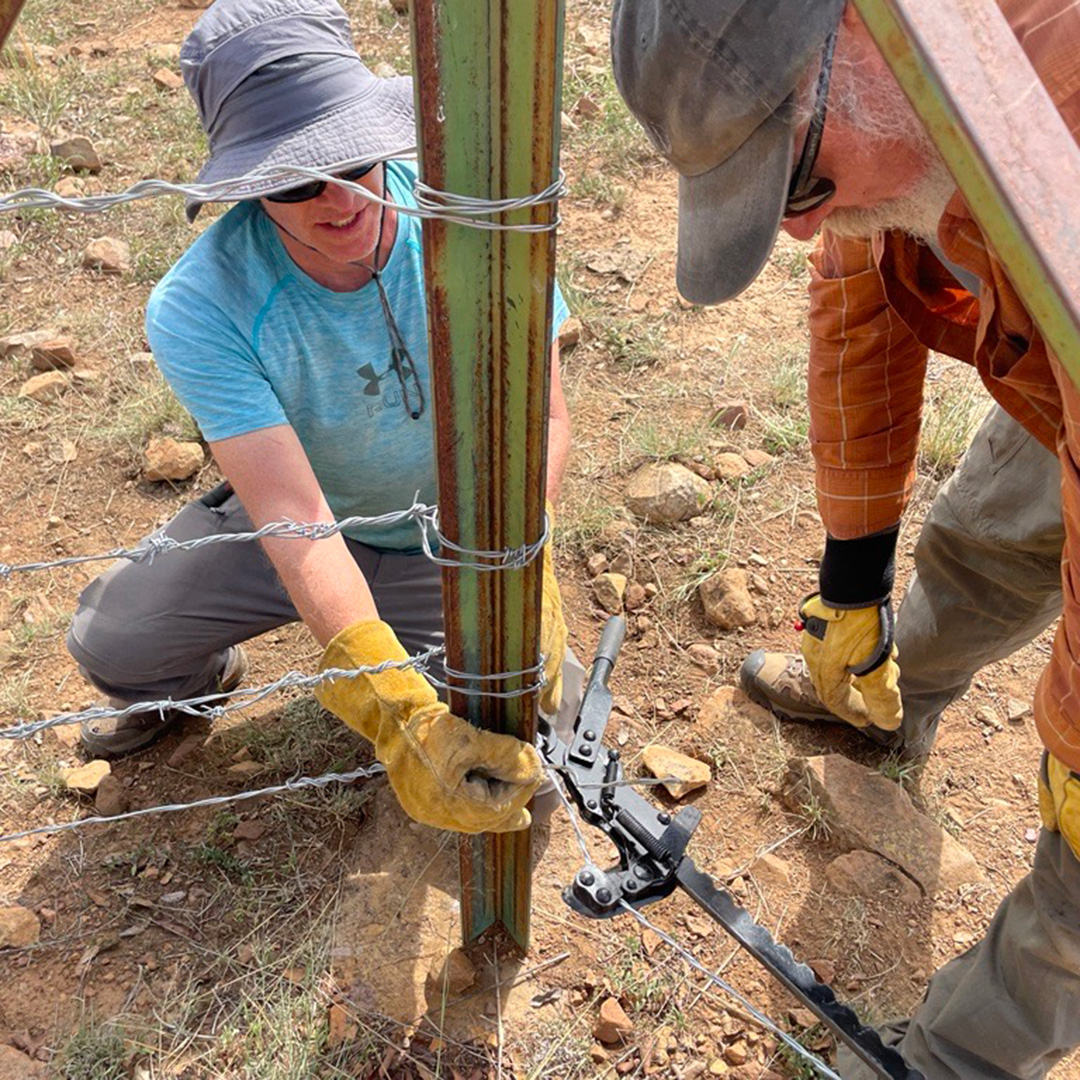
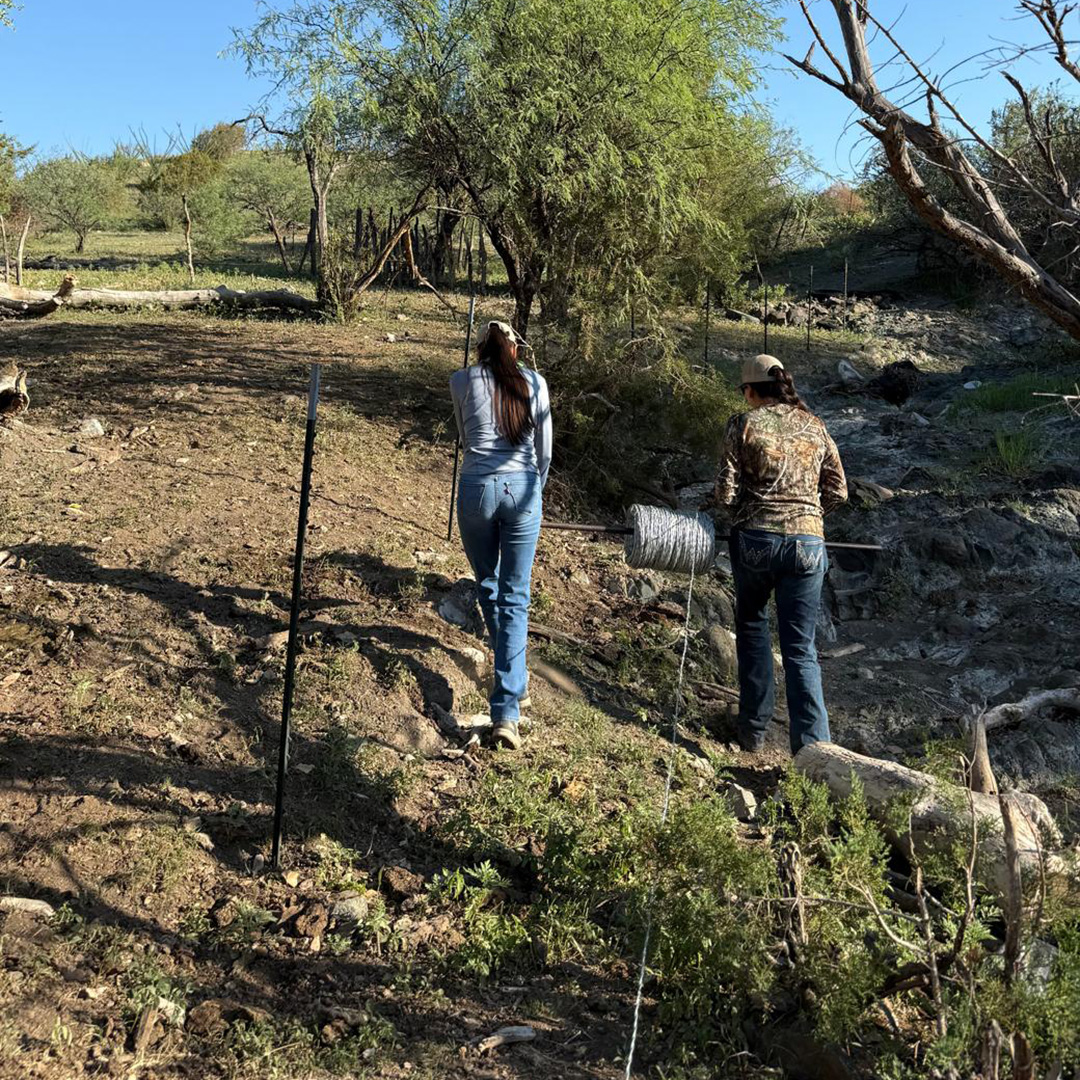
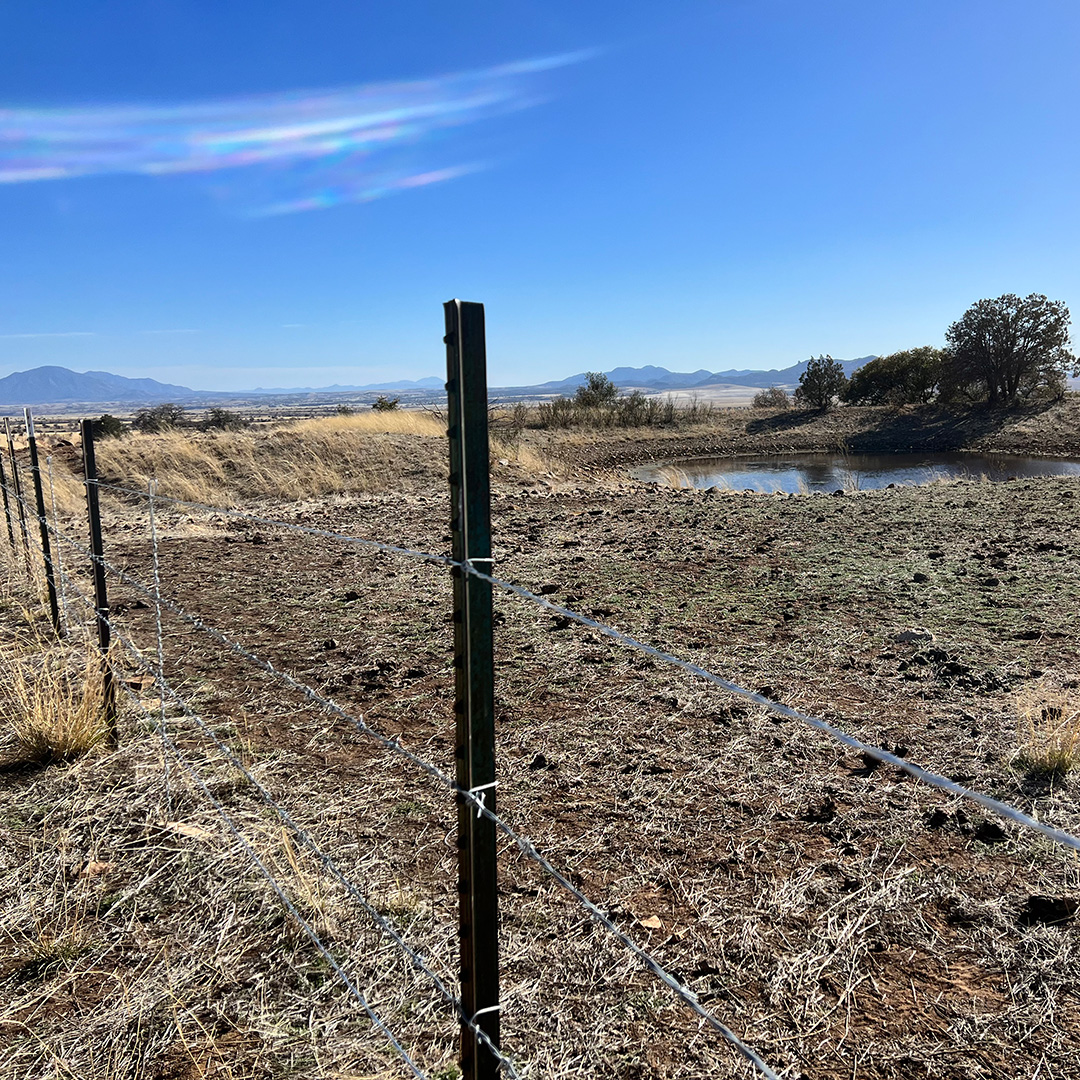

Many wild animals like deer, javelina, pumas, jaguars, and bears need to pass between fenced areas to access water and food. By installing fences with smooth wires on the top and bottom, wildlife can move more safely and naturally across ranches, without getting trapped or injured by the wires.
Protection of Key Areas With Fencing
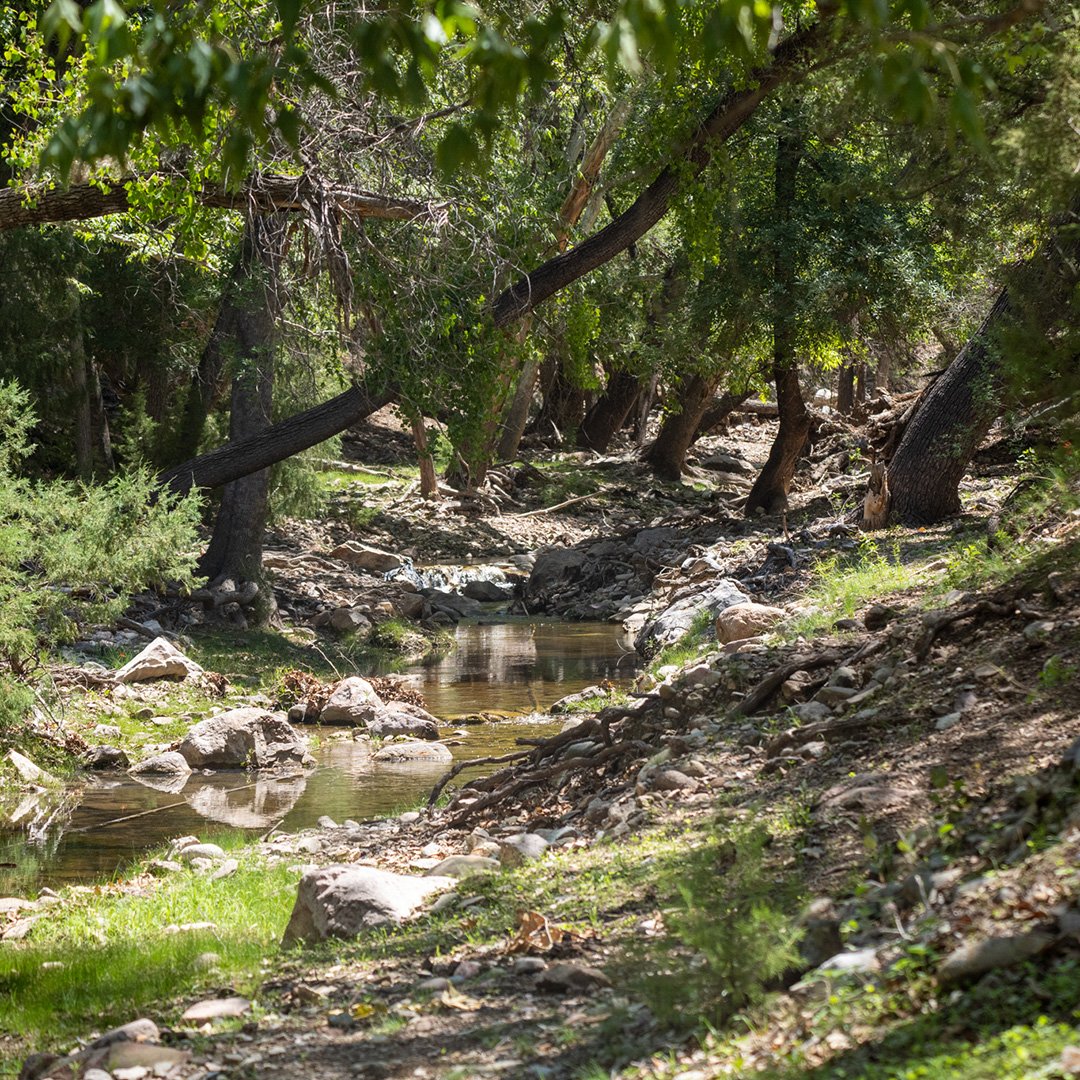


By protecting strategic places like springs, rivers, and streams with fencing, livestock are prevented from entering and contaminating the water and eating the vegetation. This way the water stays clean and plants thrive. This restores water quality and the vegetation that protects it. These areas are essential for both livestock and wildlife, and their protection ensures long-term water availability.
Invasive Species Removal

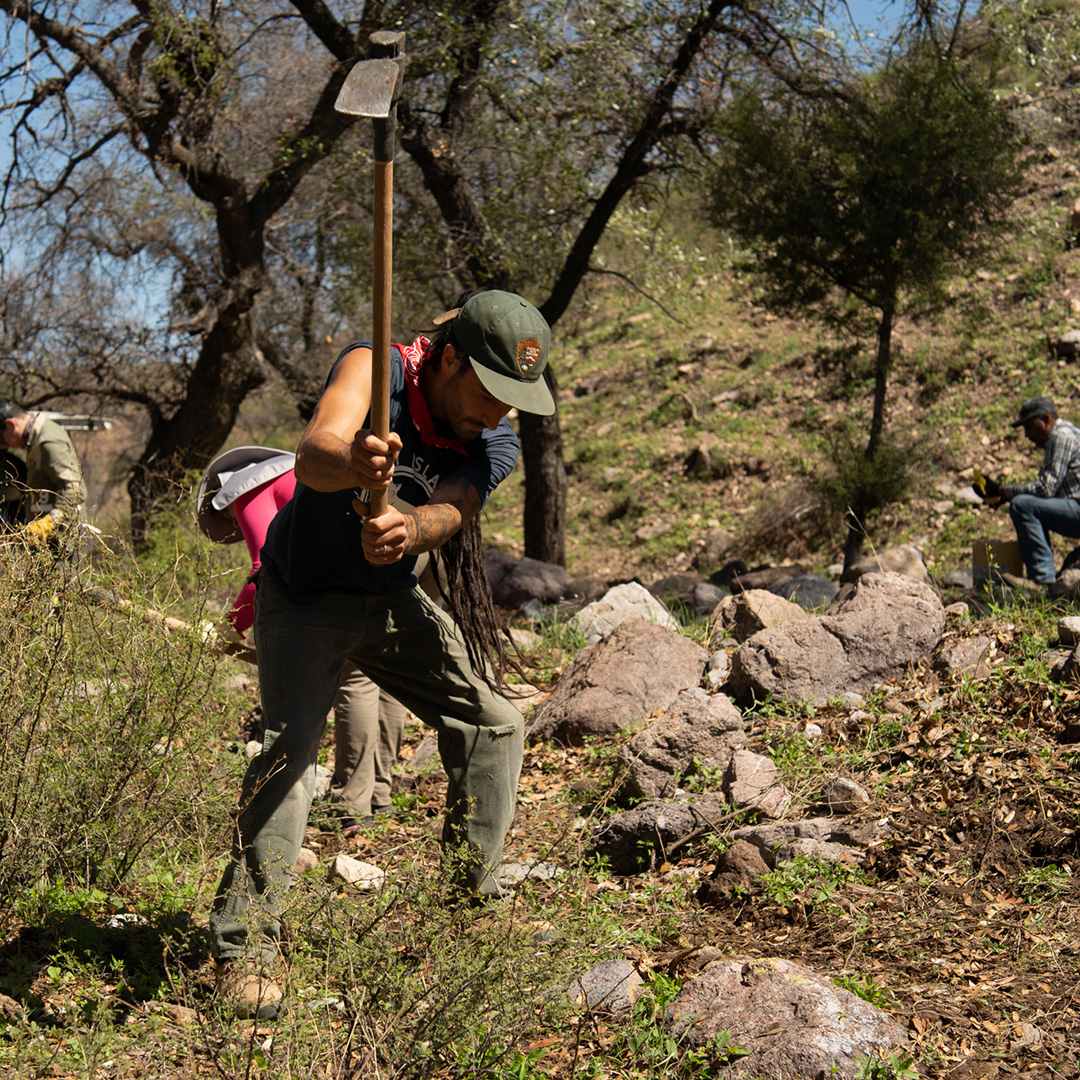
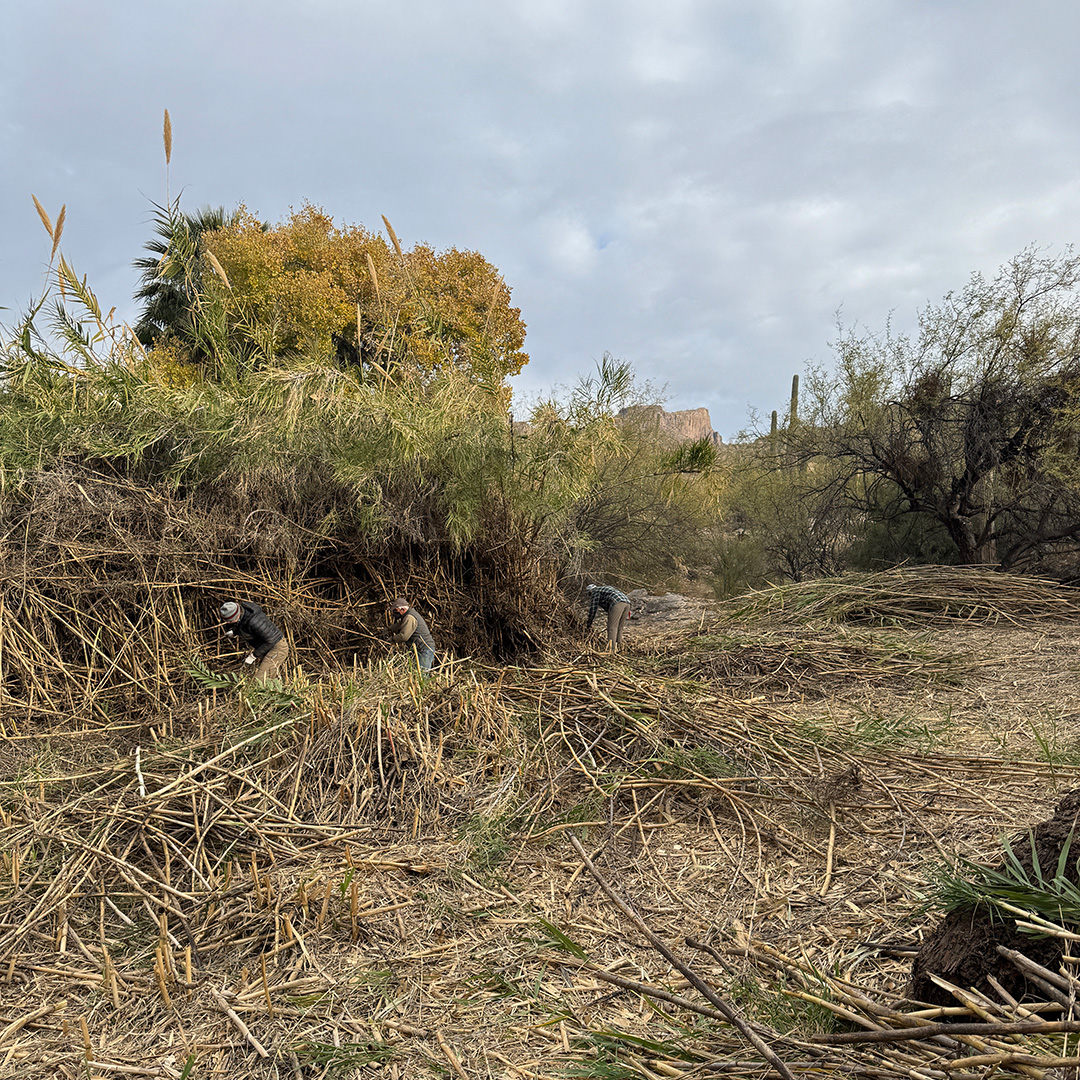
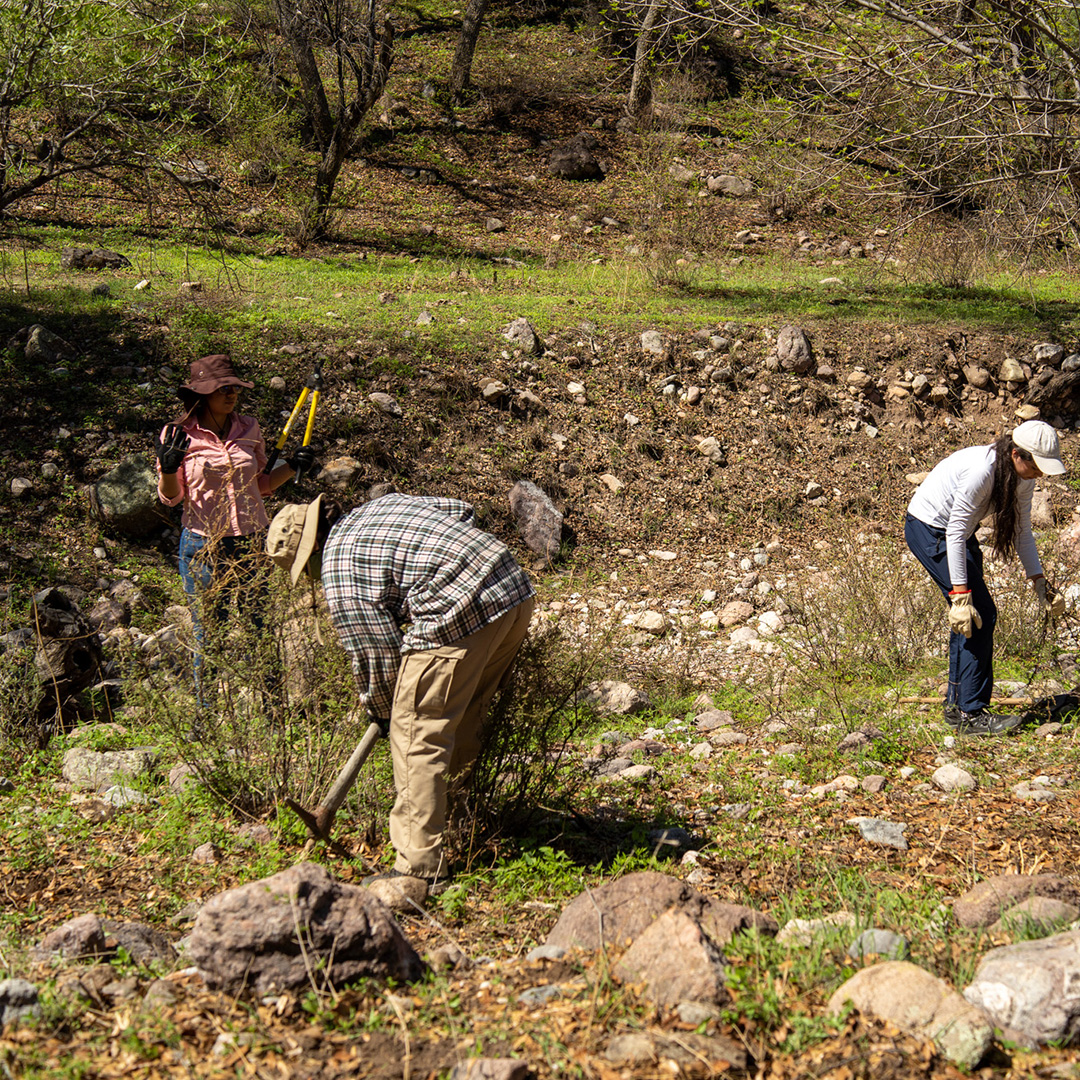
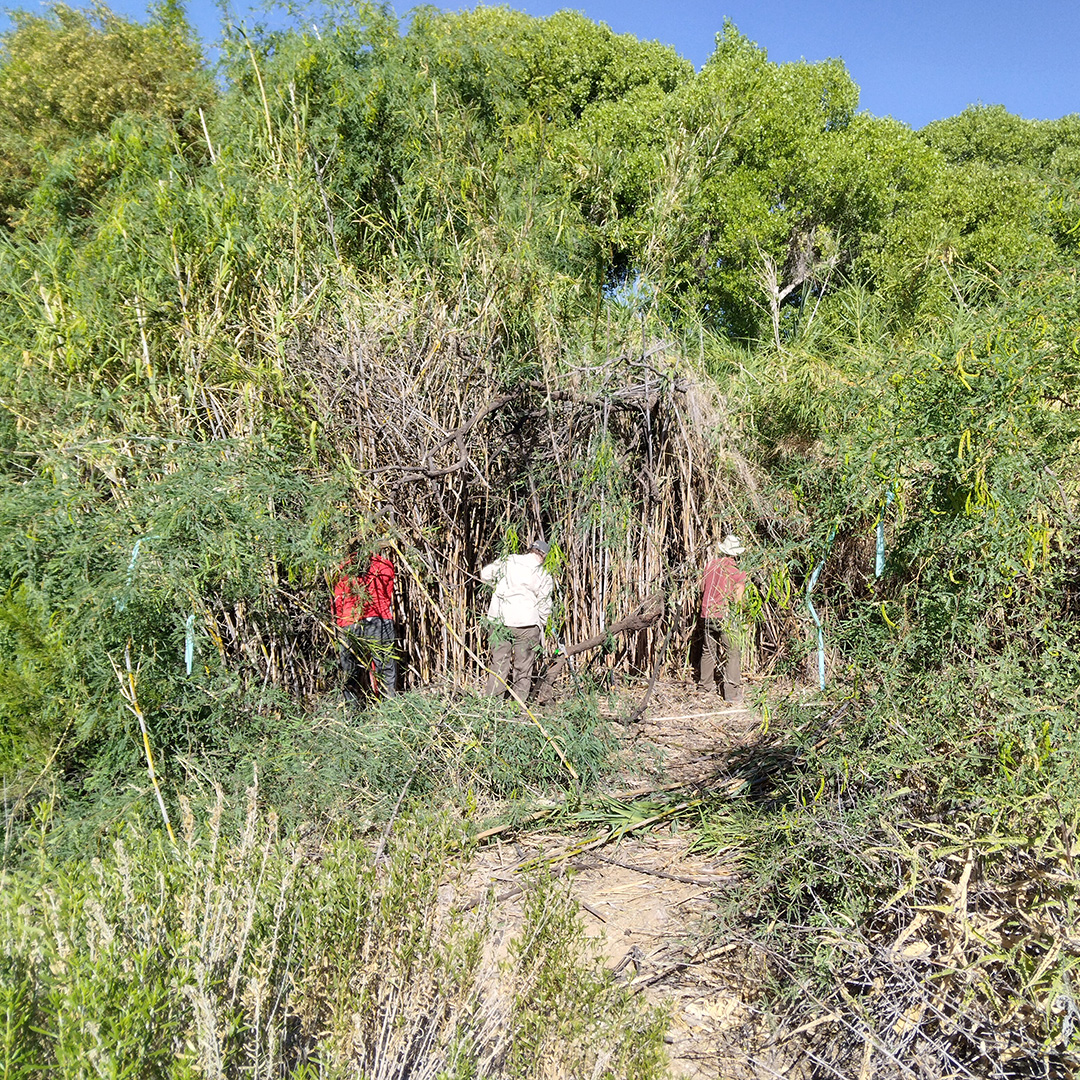
Many plants that aren’t from our region, such as buffelgrass and catclaw acacia, reproduce abundantly in degraded areas. These species, in addition to increasing the risk of wildfires, also use resources and space, preventing native plants from growing. Once these invasive species are removed, native grasses and other regional plants return, and they better feed wildlife and help conserve soil. This restores ecological balance, improves habitat quality, and ensures that native plant communities thrive.