

Hi, we are Nayeli and Sofía, students of Environmental Sciences Engineering at the University of Sonora in Hermosillo, and we’re doing our professional internships with Sky Island Alliance. We just took part in a field outing to support the Spring Seeker project in Sierra Los Ajos, near Cananea, and we’d like to share a bit about our experience.
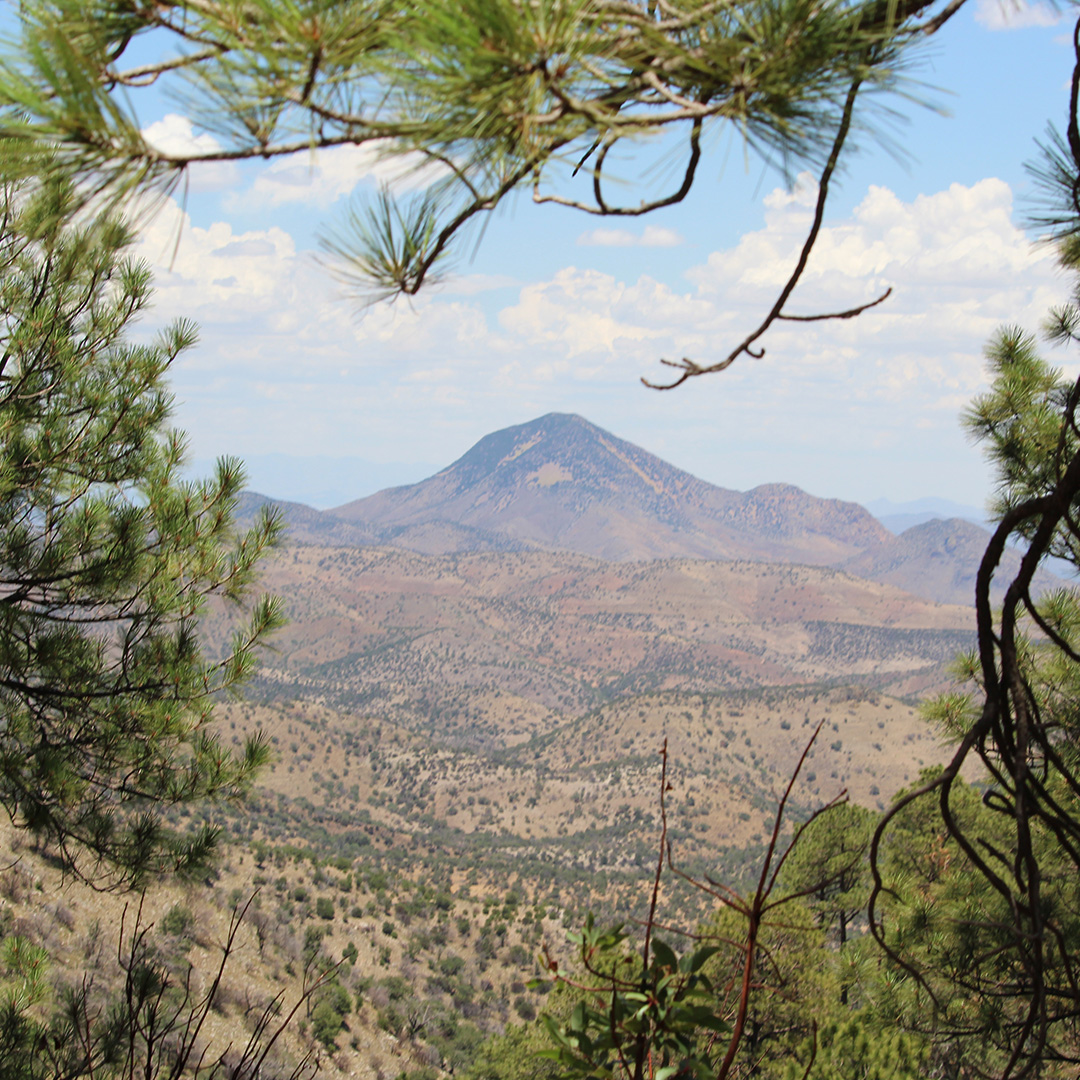
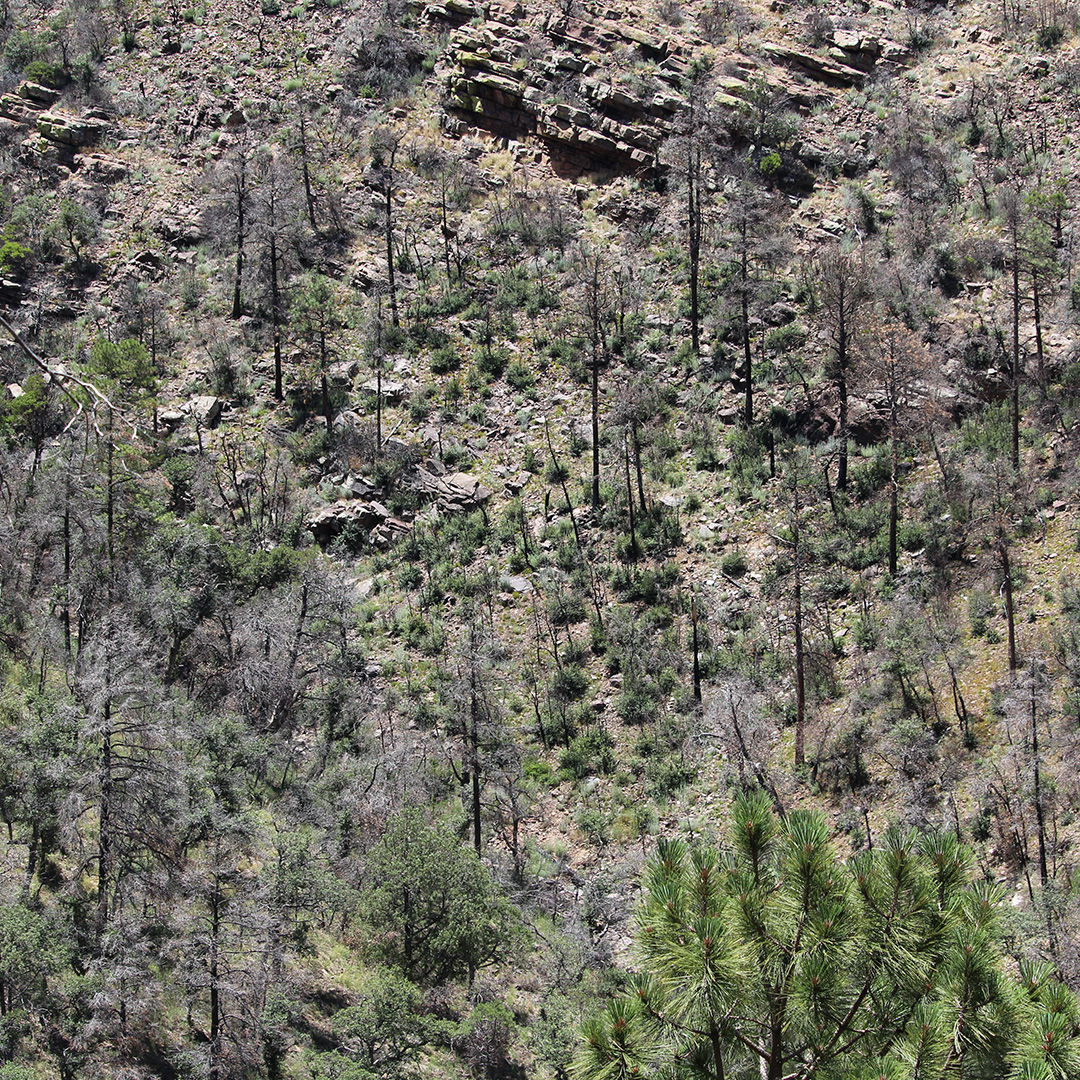
Sierra Los Ajos lies between the municipalities of Cananea and Fronteras. It’s an imposing mountain range within the Sierra Madre Occidental, considered one of the highest peaks in Sonora, reaching an altitude of approximately 2,620 m. It’s part of the Bavispe Flora and Fauna Protection Area and lies within the Sky Islands. Its mountain ecosystem is made up of dense pine and oak forest and is home to a great diversity of flora and fauna.
Over four days we were able to enjoy pleasant weather, with cool breezes, rain, clouds heavy with water, slightly cool nights, and a fascinating moonlit clearing. We were also accompanied the whole time by the scent of petrichor, grass, and wood, which made every breath feel light and comforting, and of course we enjoyed beautiful views, both from the summit and deep within the forest.
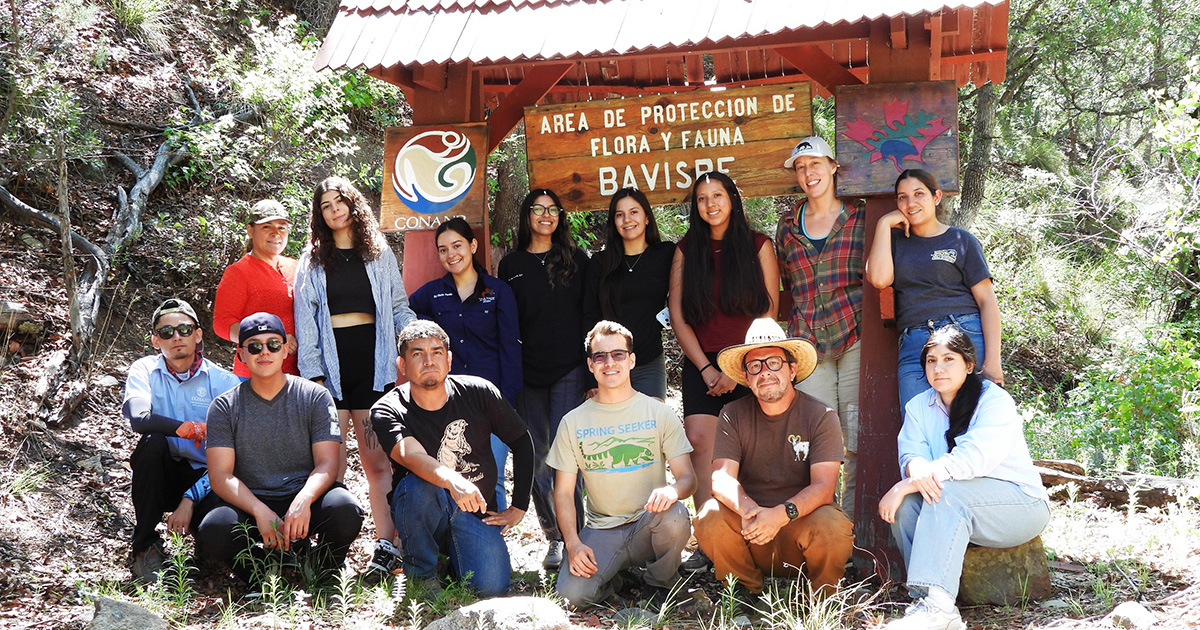
On Wednesday, June 24, we traveled to Cananea to meet up with Karen and Michell from the Sky Island Alliance team, who kindly gave us a place to rest and spend the night so that, the next day, we could load up the cars and set off for the mountains along with people from CONANP (Mexico’s National Commission of Natural Protected Areas) and students from the Universidad de la Sierra. It was a five-hour journey since we got a flat tire along the way — but it wasn’t a problem at all. You could say we got a lesson in “how to successfully change a tire.” The rain caught up with us before we reached the campsite and didn’t let up for quite a while, so once we arrived we had to wait for it to stop. After that we were able to set up camp and organize into teams, each with its own route, and prepare and enjoy a dinner sponsored by SIA. After the long day, we finally got an excellent rest.
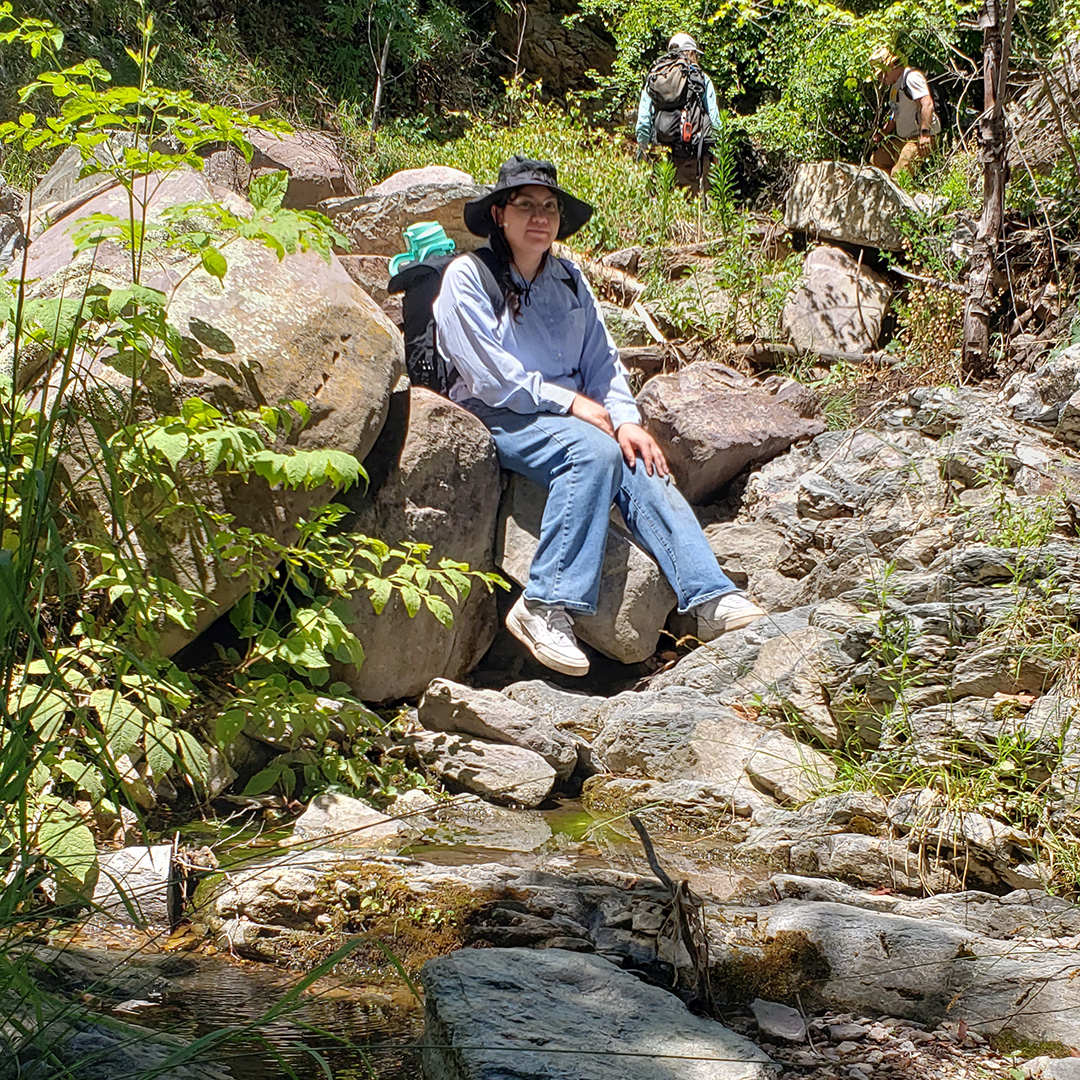
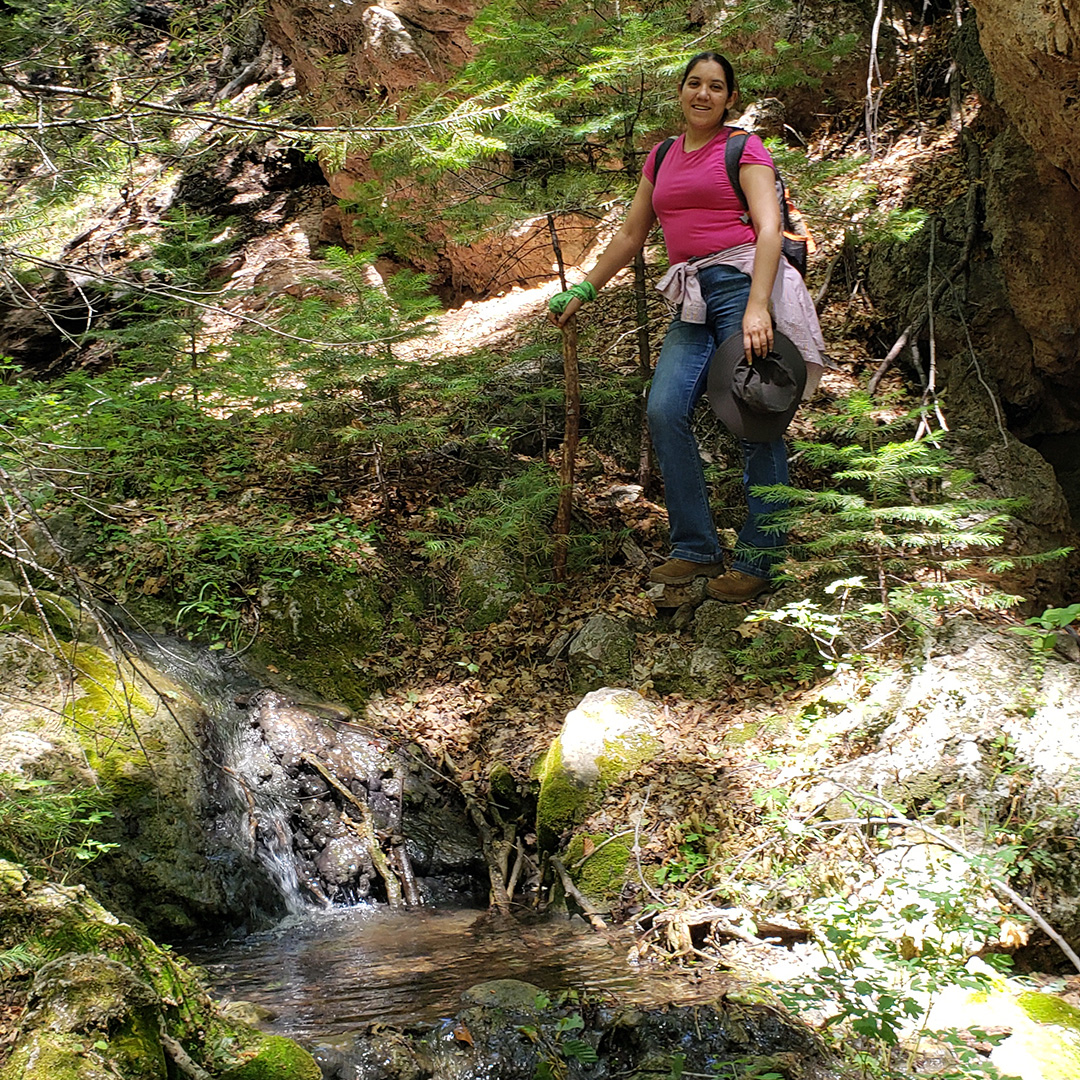
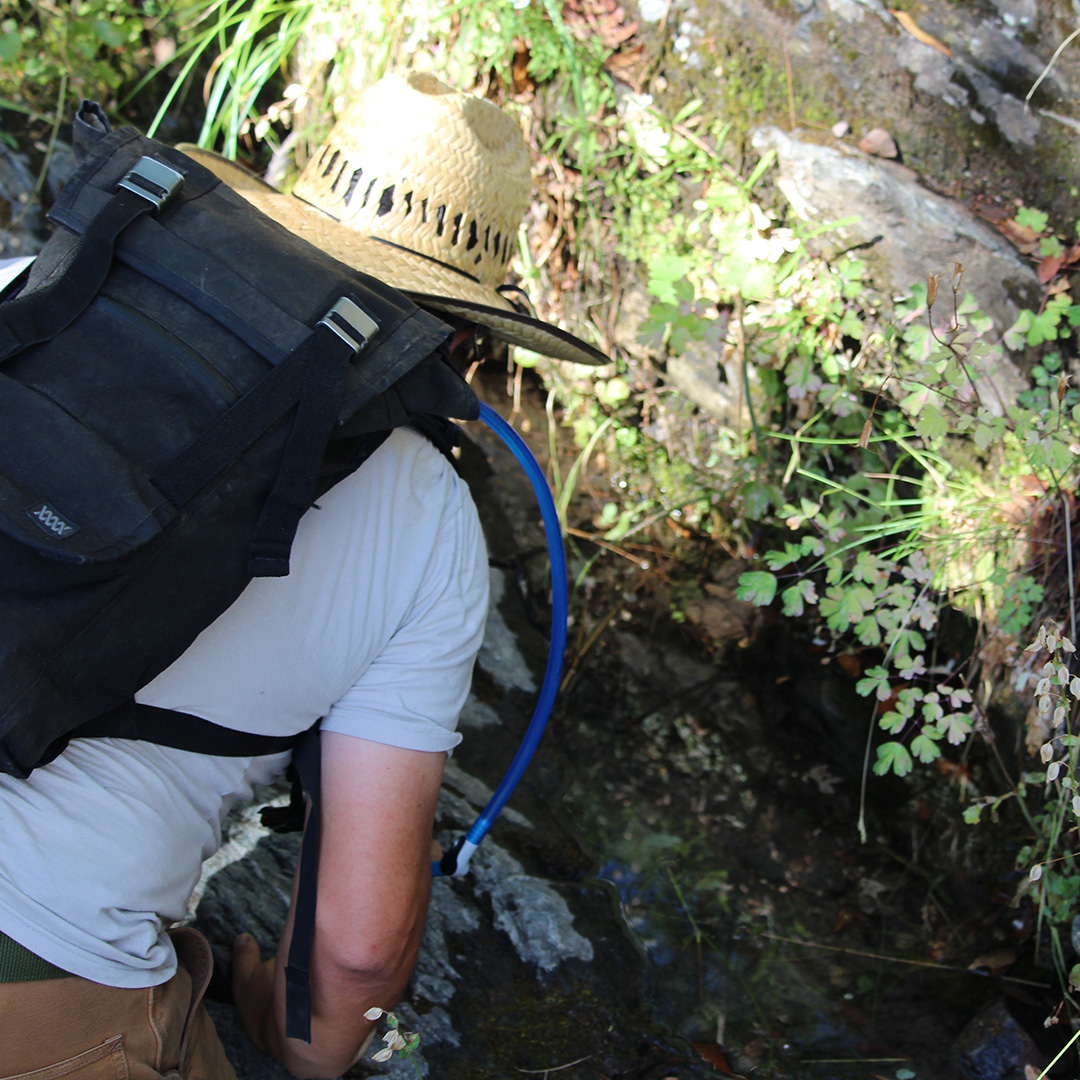
On Friday we woke up early to start the route and make the most of daylight. After a quick breakfast, each team set off on its way: the first team started walking from the campsite, while our team had to drive a few kilometers to start our route on foot. That route began by heading down a streambed that grew increasingly rugged, so at certain points we had to walk along the steep hillsides in order to keep making progress. We made a few stops to catch our breath, drink water, eat a little, and fill out the Spring Seeker surveys; this is where Sofía got to record her first spring, and I recorded my third.
Around midday, our guide Ángel García from SIA decided to shorten the original route, since finishing it would have taken much longer and would have been riskier. So we had to climb a hill to join up with another streambed for our return back and continued searching for springs. Climbing that hill was a challenge, since there was a lot of rock and the vegetation was so sparse that there were barely any pines to hold onto — which may have been due to the wildfire that happened a year ago, traces of which were still visible. Fortunately I was wearing gloves, which helped me grip the ground and larger rocks. We finally found the way back to the car and reached the campsite around 4 p.m. The rest of the day was spent resting, having dinner, and getting ready for the next day.

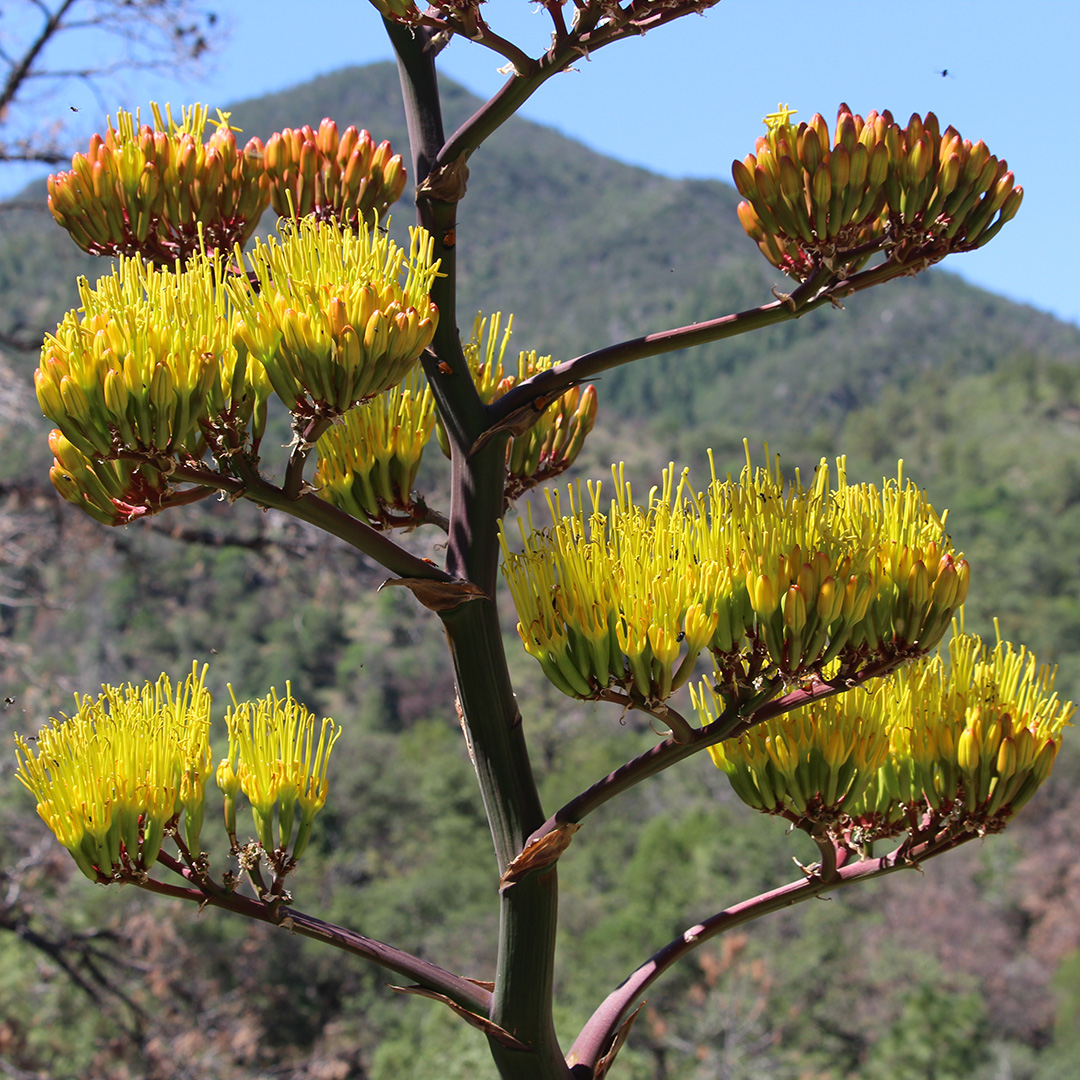
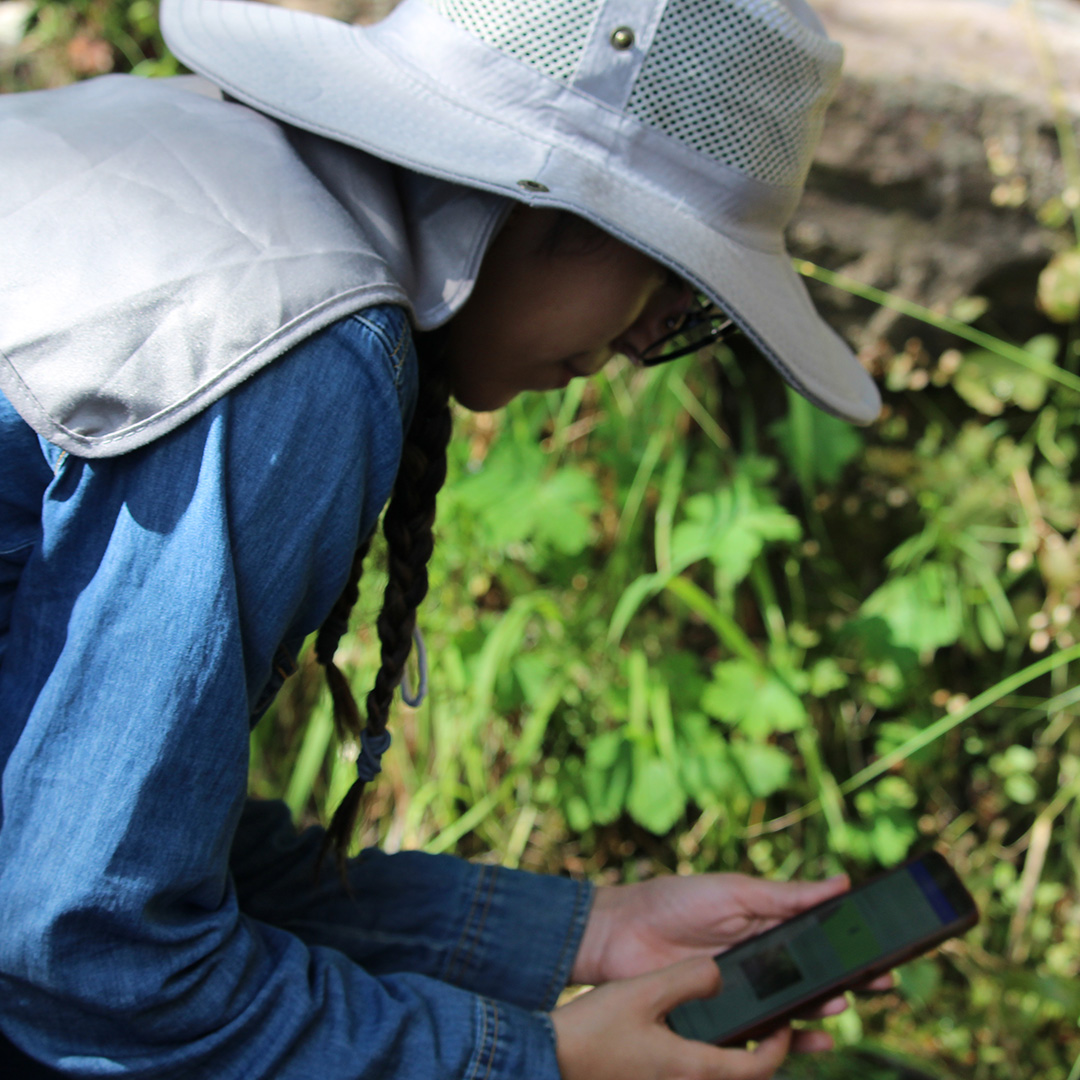
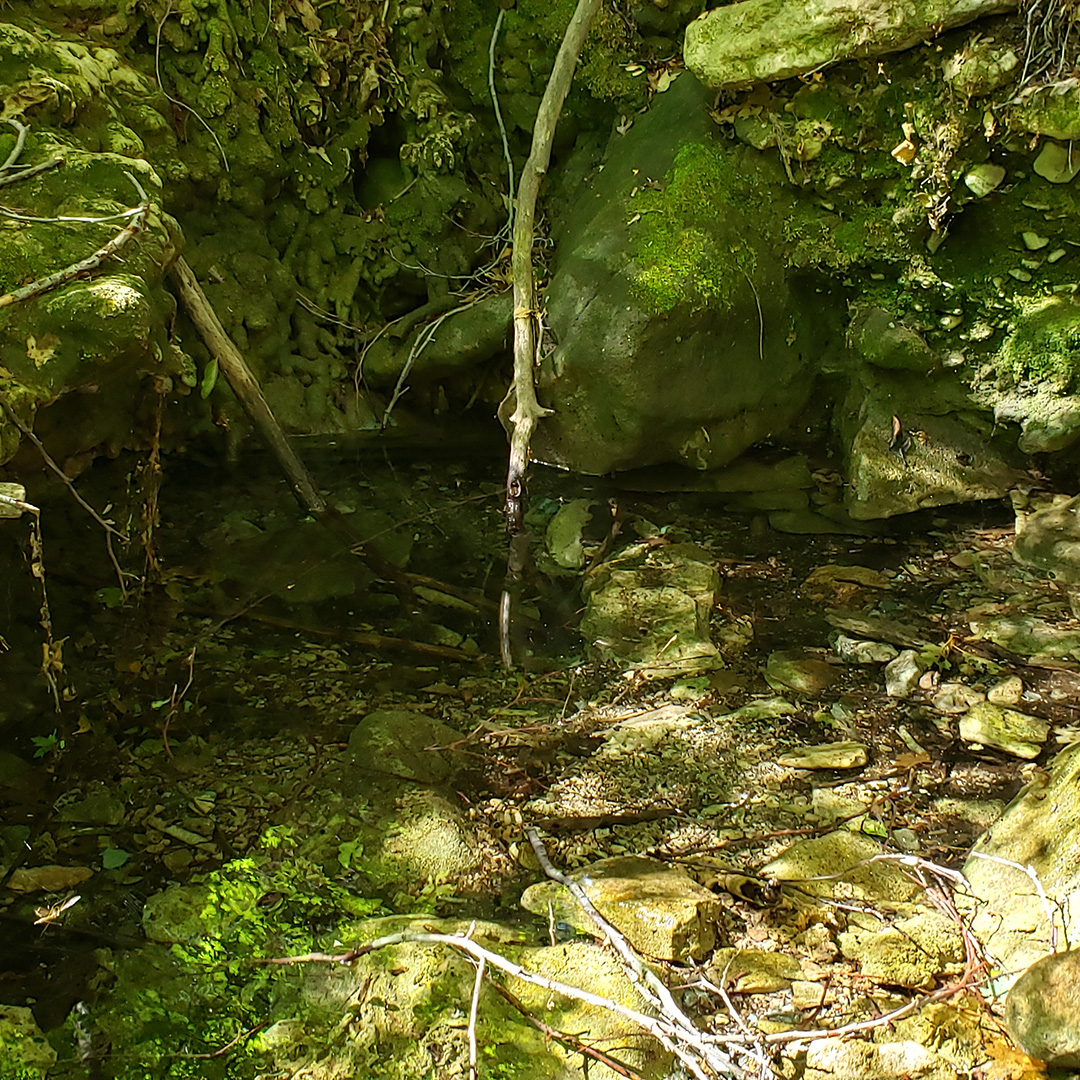
Walking along the hillsides, whether climbing or descending, was without a doubt a real physical and mental challenge for both of us, but the views, the stillness, and the wind at each of our rest stops made the effort worthwhile. Along that day’s entire route we found 11 springs; although they weren’t very large or deep, most were in good condition and had good water quality, judging by the aquatic species in them and the plants growing around them. The other team, meanwhile, recorded six springs, but these were longer and deeper.
For the next day, it was agreed that, given the difficulty of these routes, our team would split into two: one would take another way through the mountains in search of springs (I, Nayeli, joined this team), and the other group would follow the road without heading into the streambeds unless a spring was suspected nearby (Sofía joined this team). So now there were three teams doing routes. Because of this, Saturday brought us even more different experiences.
Saturday With Nayeli
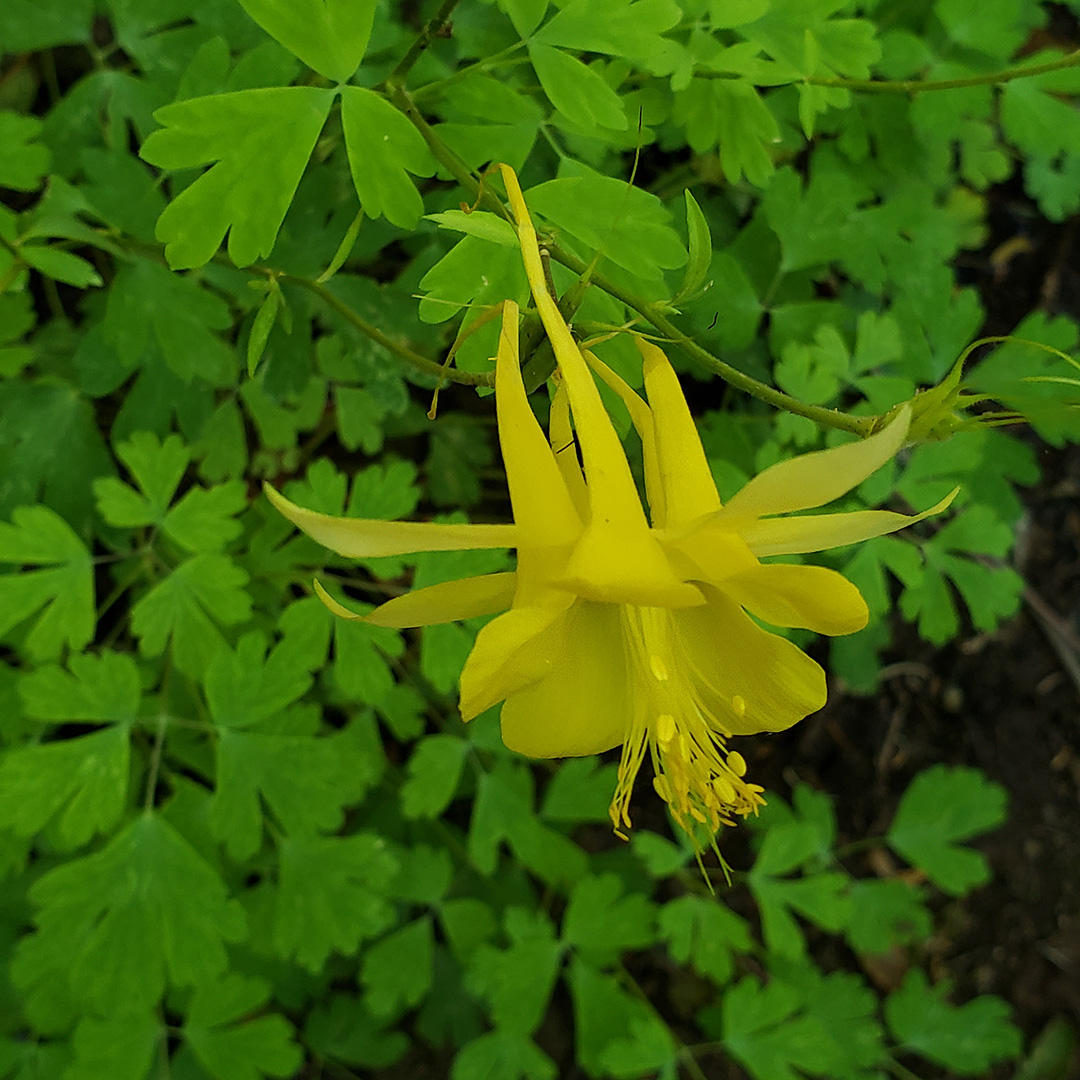
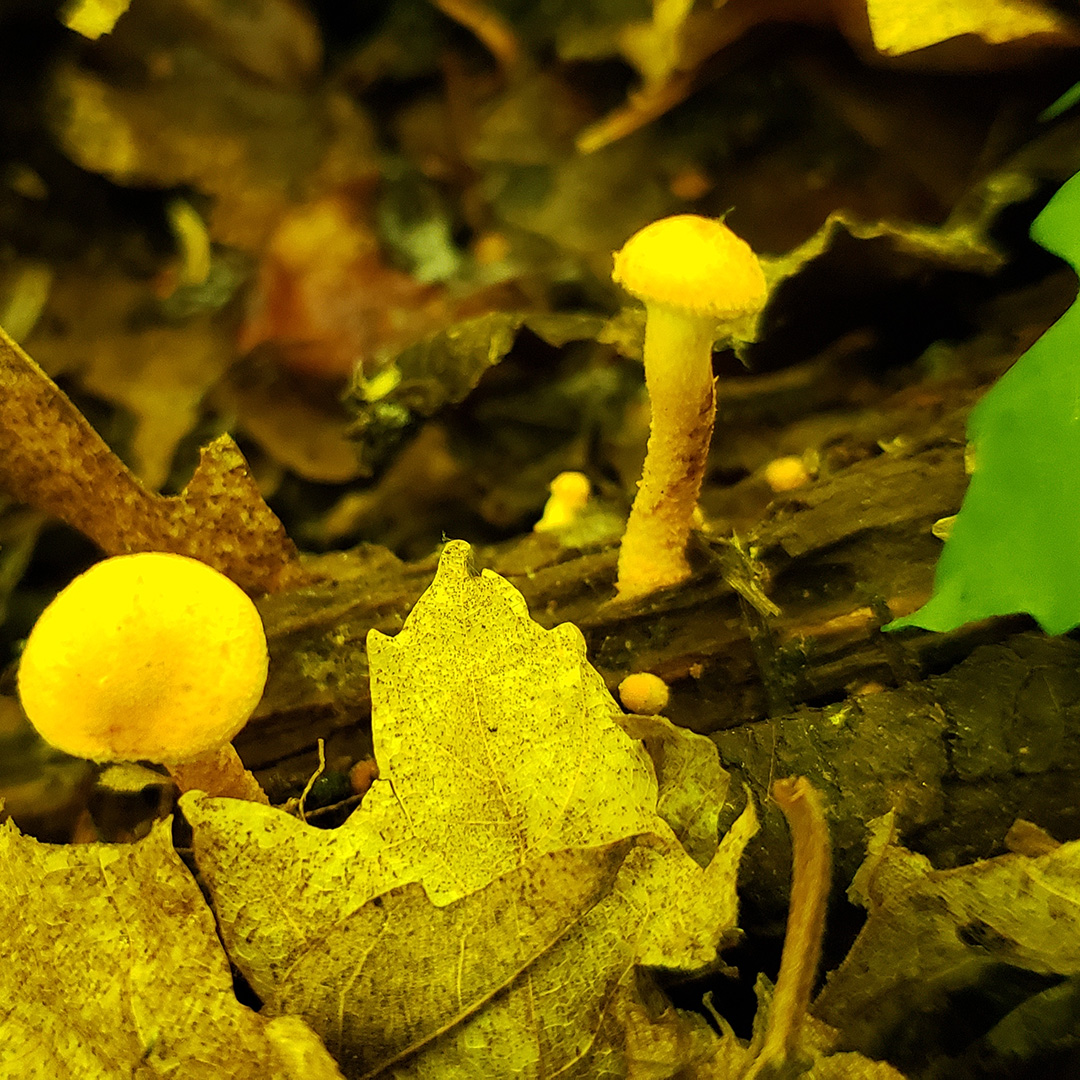
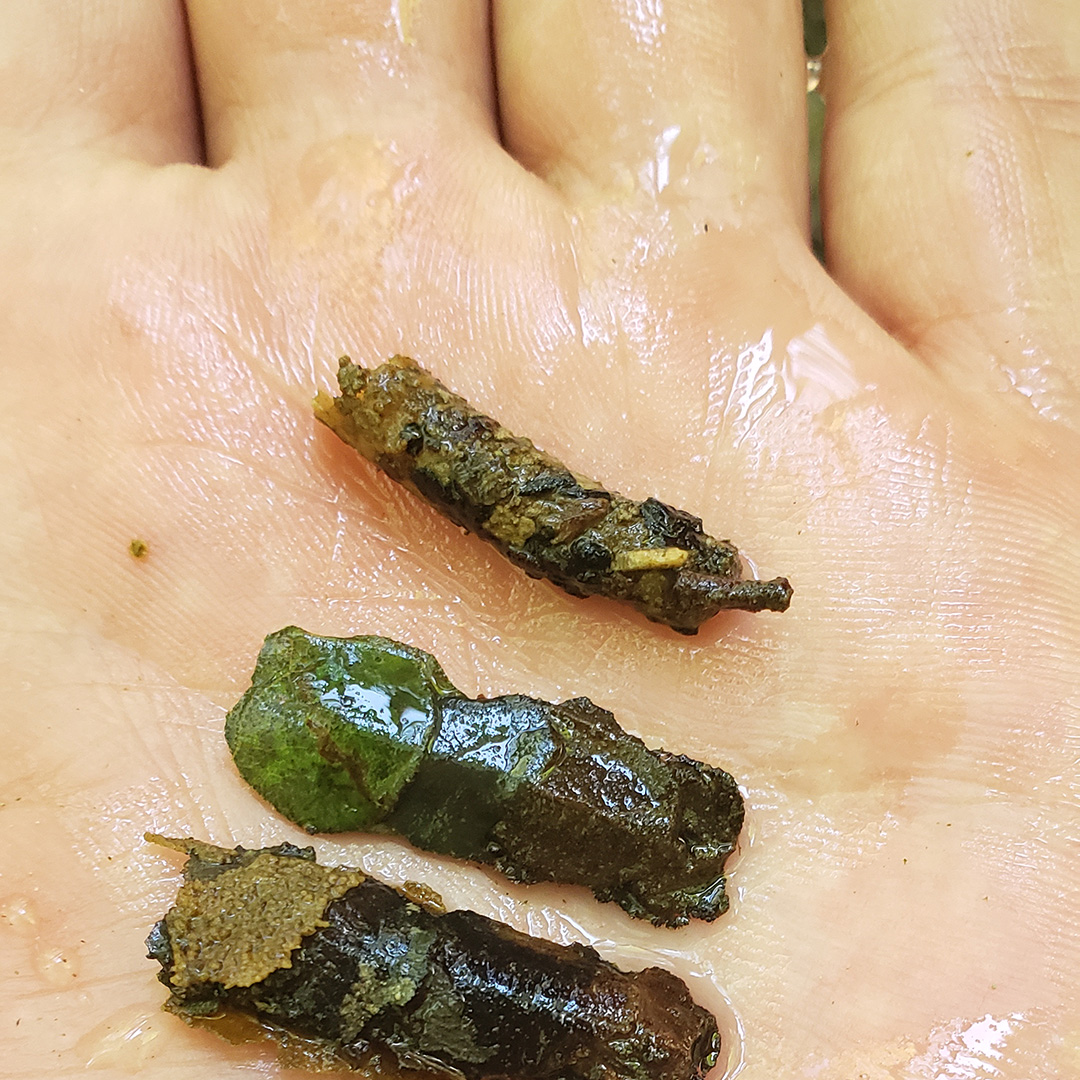
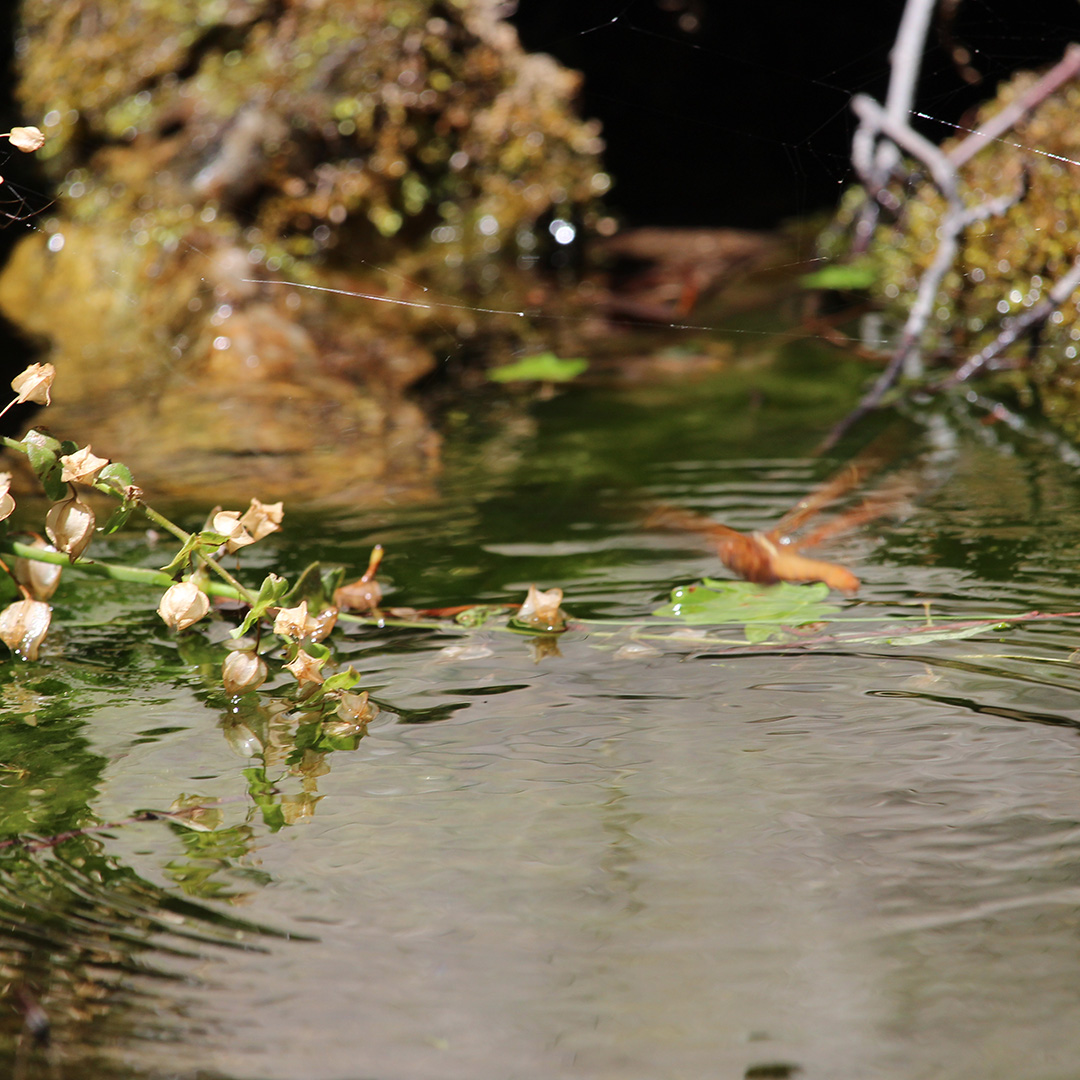
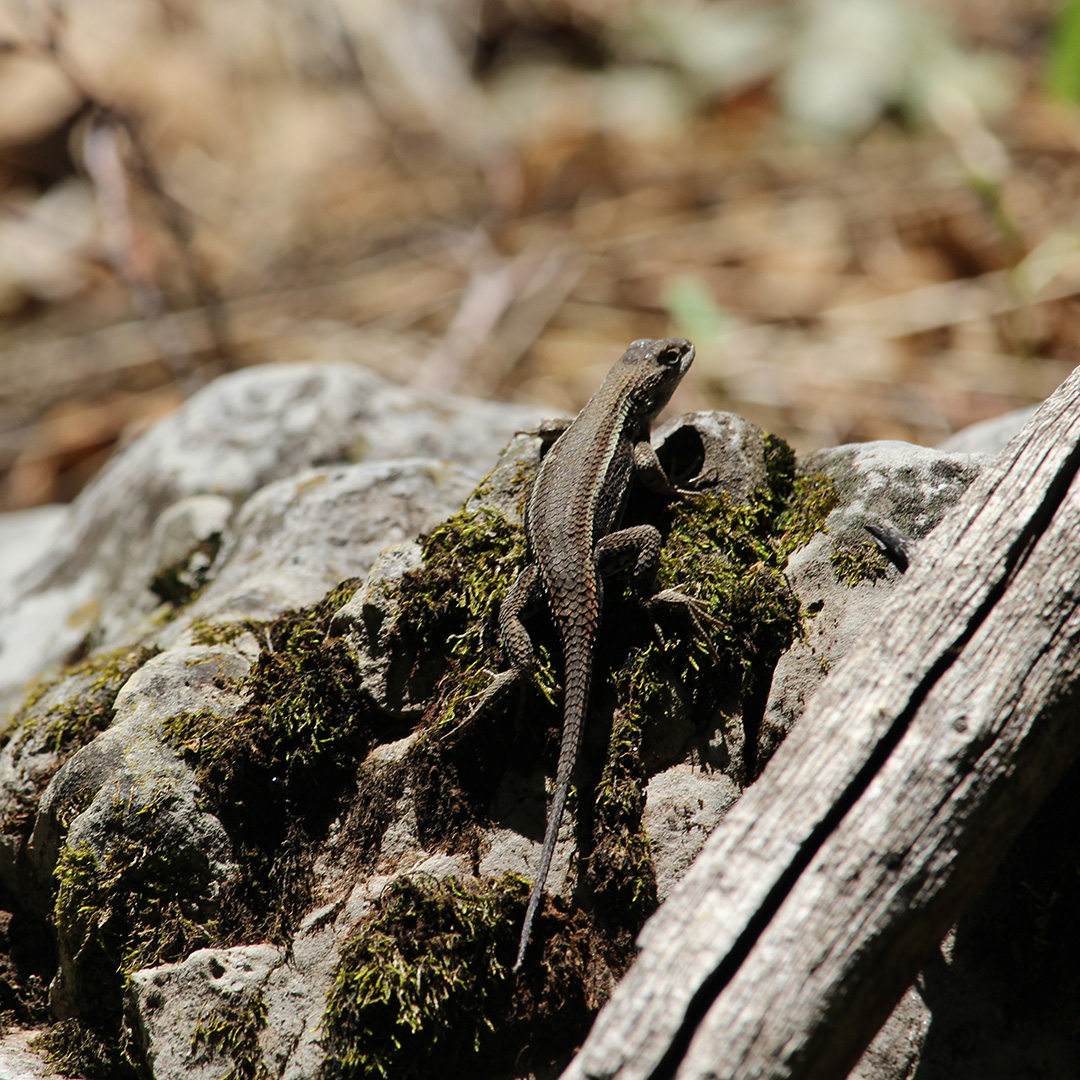
This time I was better prepared for the route. We set out again at 7 a.m., walking from the campsite. First we headed a little way into the streambed near the campsite and found two springs and lots of salamanders. Then we walked to the starting point of our route, where fallen trunks, stones, leaves, and branches, tangled together and piled up by the current, seemed to block the entrance, as if saying: Don’t come in. It seemed like it would be a very wooded route, but surprisingly, once we crossed the entrance we didn’t run into a single snake or spider, and after walking a little while we came upon a paradise, and the first pool of water, which was much bigger and deeper than the ones from the day before — and we realized it wasn’t the only one. We found more of them along almost the entire way, and they seemed to be part of the same spring system. We walked about three hours uphill in search of the water’s source, always accompanied by the stream and its pools, surrounded not only by pine and oak but also by walnut, cottonwood, and maple trees, with the ground covered in fallen leaves and the occasional dead tree. We came across many curious insects, fungi, and salamanders. And Ángel, our guide, spotted a type of larva that used little bits of bark as camouflage and moved around in the water. We couldn’t figure out how he managed to notice them.
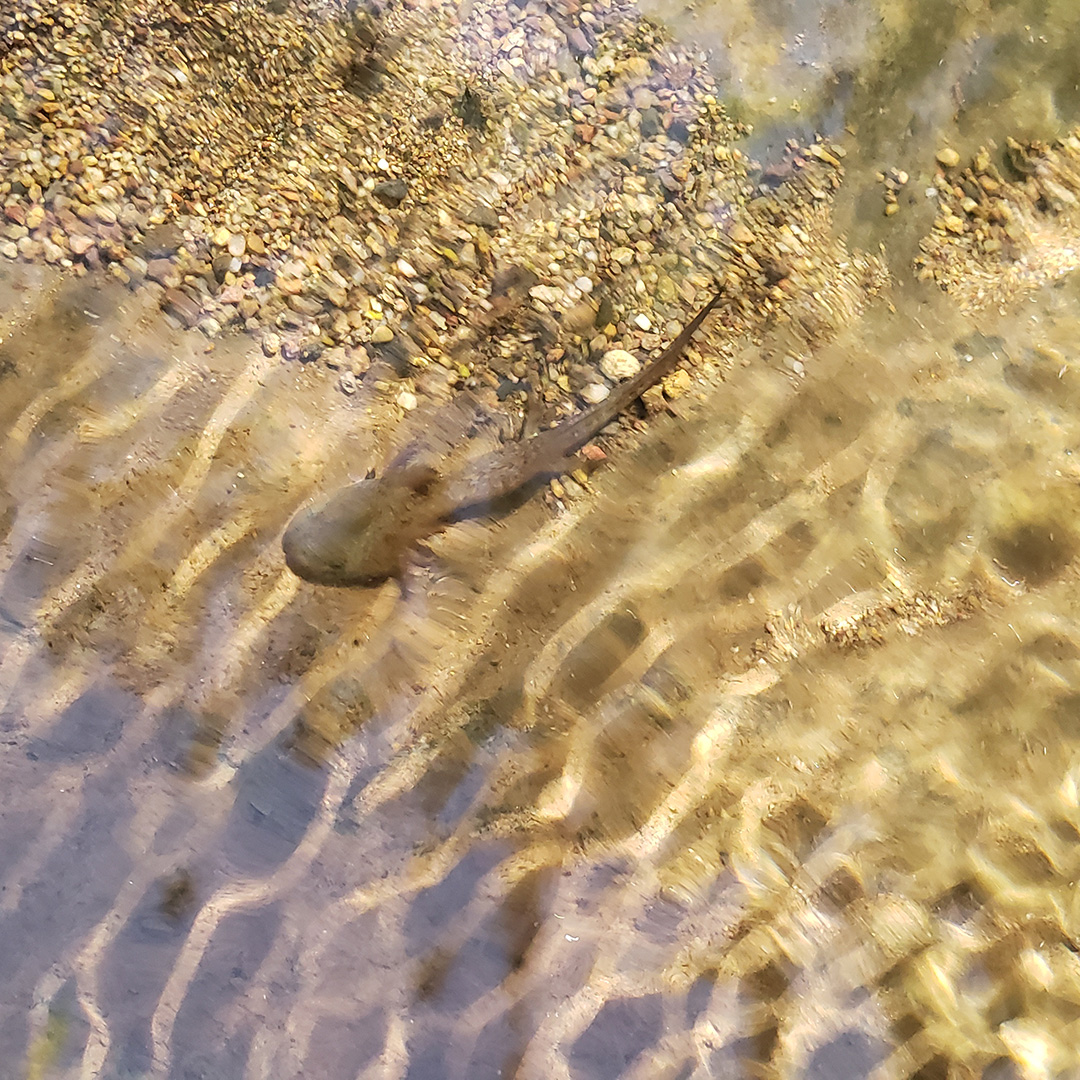
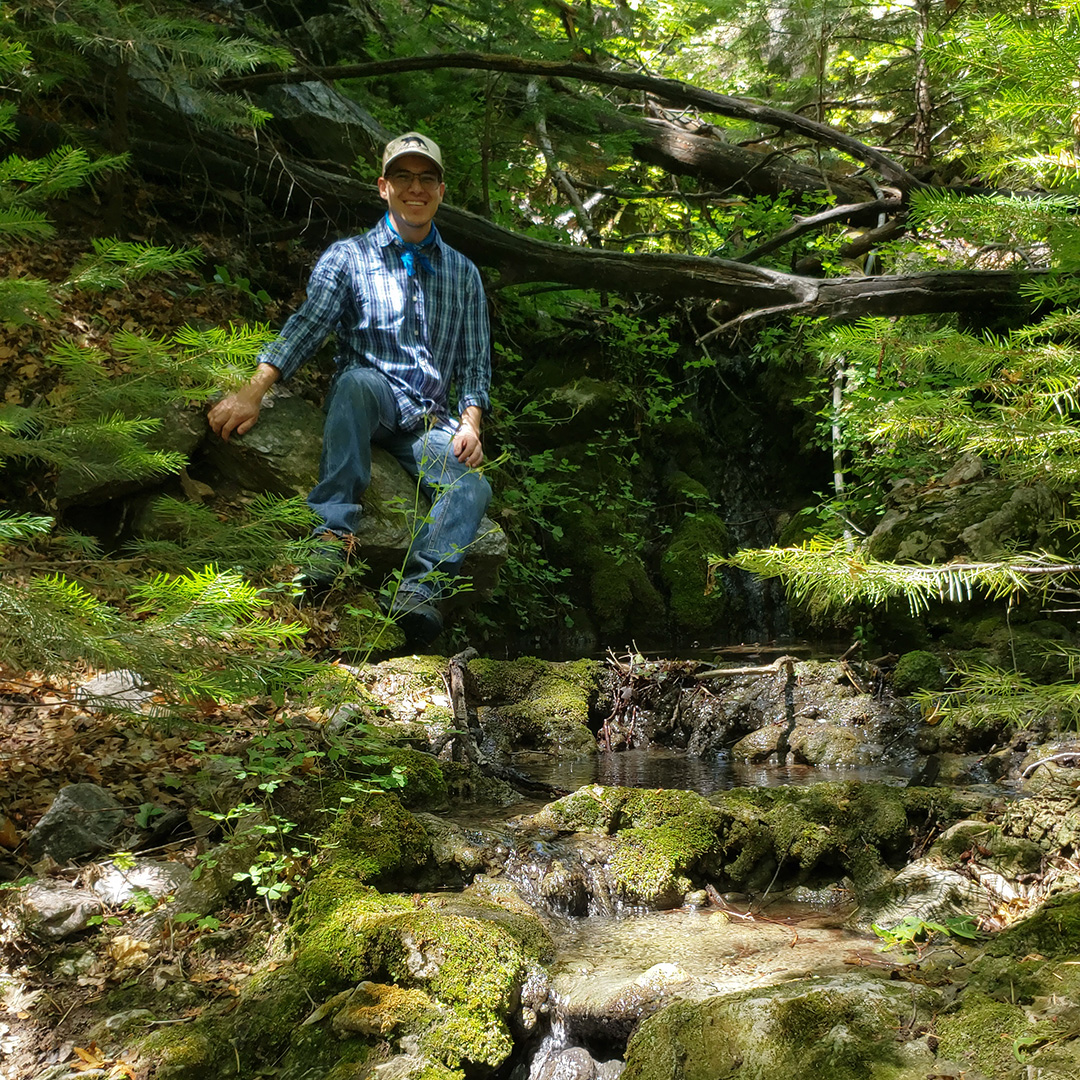


When we reached the upper stretch of the streambed, we searched for the spring’s origin, and it was absolutely amazing to find it hidden between two large rocks. The water was running through the cracks in the rocks and emerging into the light with a good volume, and it was quite cold. We recorded the location of the source and continued along the route, which didn’t have much left to it. When we finally reached the top of the hill, we decided to stop and enjoy nature. We rested for an hour, and during that time I managed to sleep for about 20 minutes on the ground. It was very pleasant. The way back was a bit difficult because of the ravines; however, going along the top was much faster, since in 40 minutes we made it back to the road and kept walking toward our campsite, where we were finally able to rest, take a shower, have dinner, and spend more time together (since they didn’t turn on the satellite internet for a while, haha).
Saturday With Sofía
On Saturday morning I got up at 6 a.m. to have breakfast and get ready to head out to explore at 7 a.m. This time I went with the beginners’ group. We split into small groups to explore different areas of the mountains, close to the campsite, with the goal of finding and recording several springs.
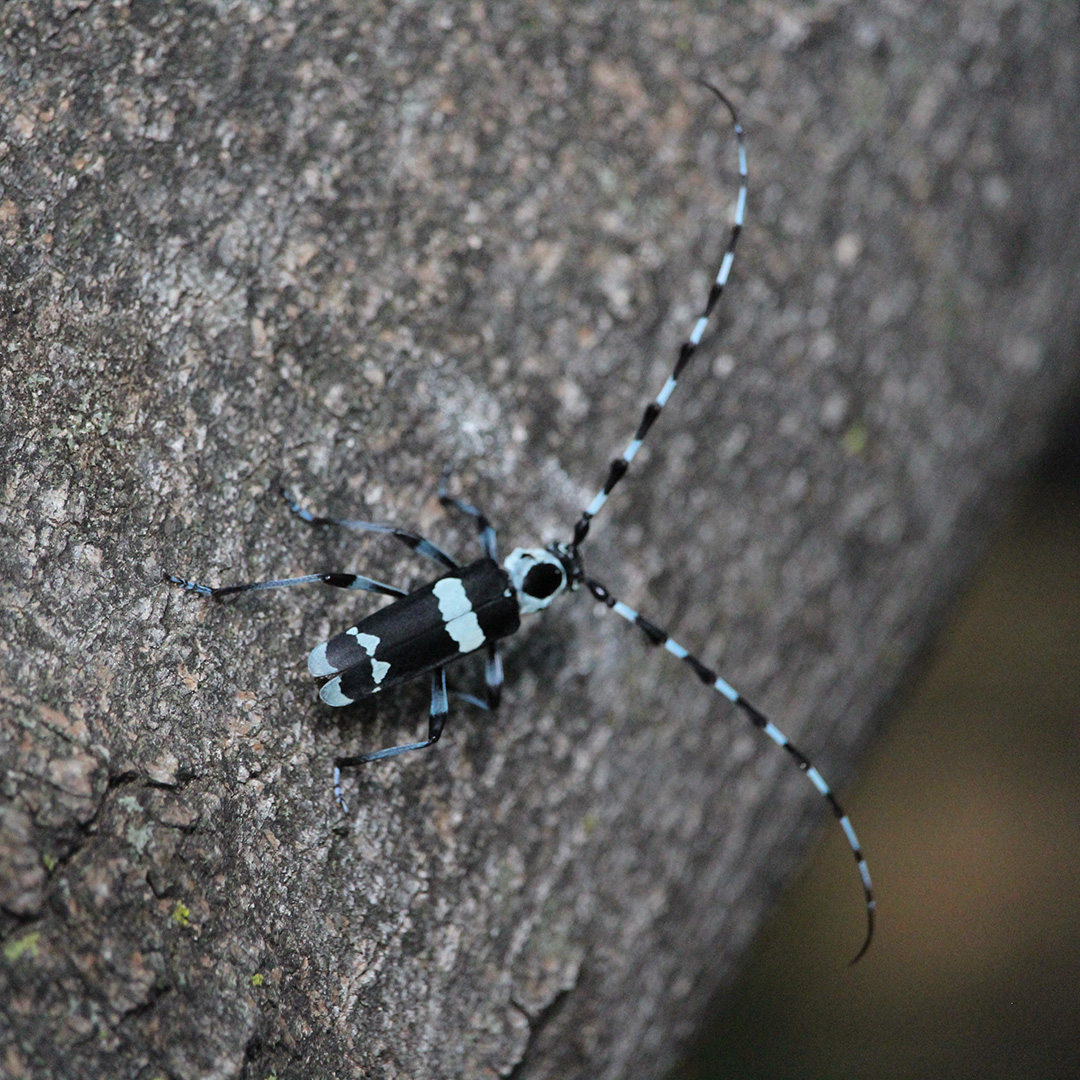
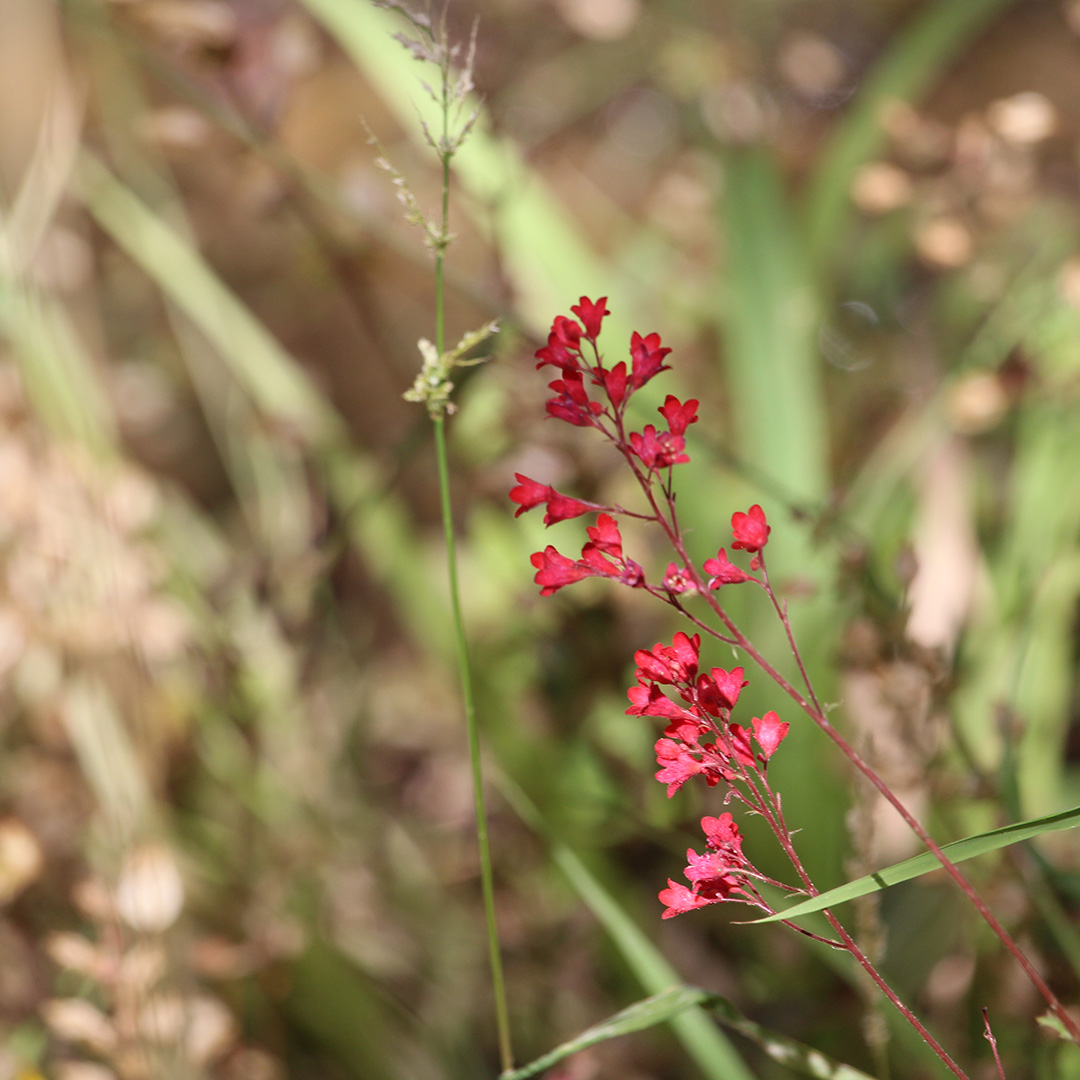
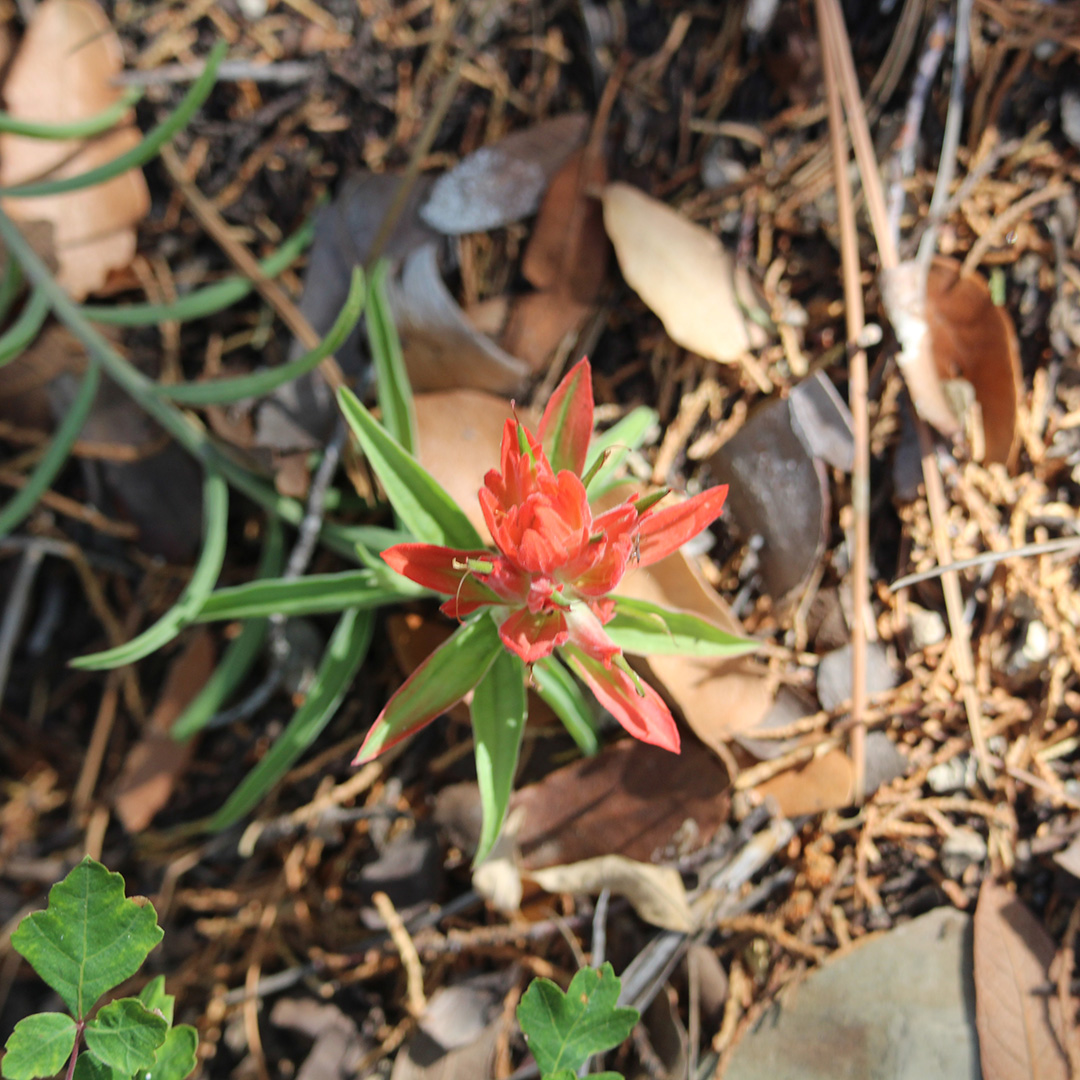
We set out to explore, and when we reached the first spring we went and recorded it. It wasn’t very deep, but I could see it had salamanders, beetles, and water striders. We followed the current to find the source of the spring, and since we didn’t find it nearby, we decided to head back to the road. As we continued along the road, we found a second spring. Walking along the road, I also learned a bit more about plants, trees, and insects. The higher we climbed, the more beautiful the landscape became, with a view of the mountains. We walked seven hours in total. Of course, we took little breaks now and then, since the trail was tiring because of the climbs. But it was very relaxing to eat your snack while looking out at nature and listening to the wind. After that long break we started heading back to camp. Along the way, I found myself drawn to the shiny stones and the way plants grew in the cracks between rocks and tree trunks. I was also able to watch how a fallen tree trunk was dripping drops of water, and I could see how the wood acts like a sponge that holds onto and releases accumulated liquid. When we got back to camp we rested, ate, and spent time together. That’s where I met Ian McFaul, another volunteer. I found it really interesting how much he values plants, and learning how his love for them began, and I was surprised by how he knows the name of nearly every single one. He showed me the photos he takes, and they’re very beautiful.



On Sunday we didn’t do any spring seeking, since we had to break camp and leave the mountains early. We were able to sleep a bit longer and have a calm breakfast. After taking down the camp and loading everything into the cars, we started the trip back, which took us about three hours through the mountains. When we reached the highway, we said goodbye to most of our companions. Michell and Karen kindly put us up and then drove us back to the bus station to catch our bus home to Hermosillo.
This field trip was, without a doubt, a rewarding and enriching experience that tested our abilities. We are enormously grateful to Sky Island Alliance for the wonderful opportunity, and specifically to staff members Mónica Montaño, Karen, Michell, Becca, and Ángel for their help and companionship. ¡Mil gracias!