
“Impact of livestock activity on water resources, soil and vegetation in Arizona”
Project Summary
The work consisted in studying seven springs in southern Arizona, which present conflicts between water use and livestock, and analyzing environmental impacts. Springs are natural manifestations of groundwater, an essential resource in Arizona, where more than 40% of the water supply comes from aquifers. Springs feed rivers, streams, and wells, and they are fundamental for domestic water supply. Some of the existing problems detected in the area’s springs include a scarcity and reduction of water resources, as well as damage from livestock.

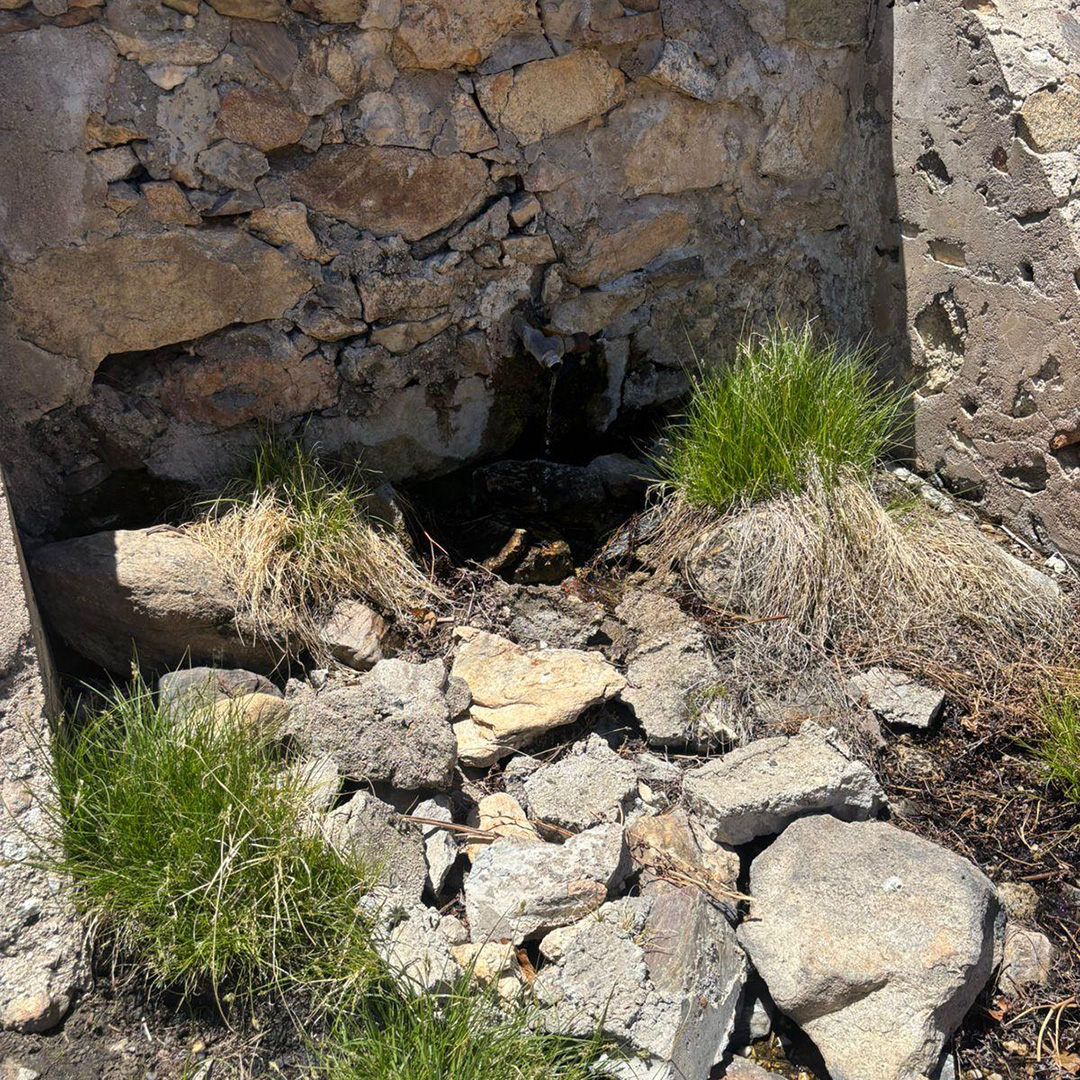
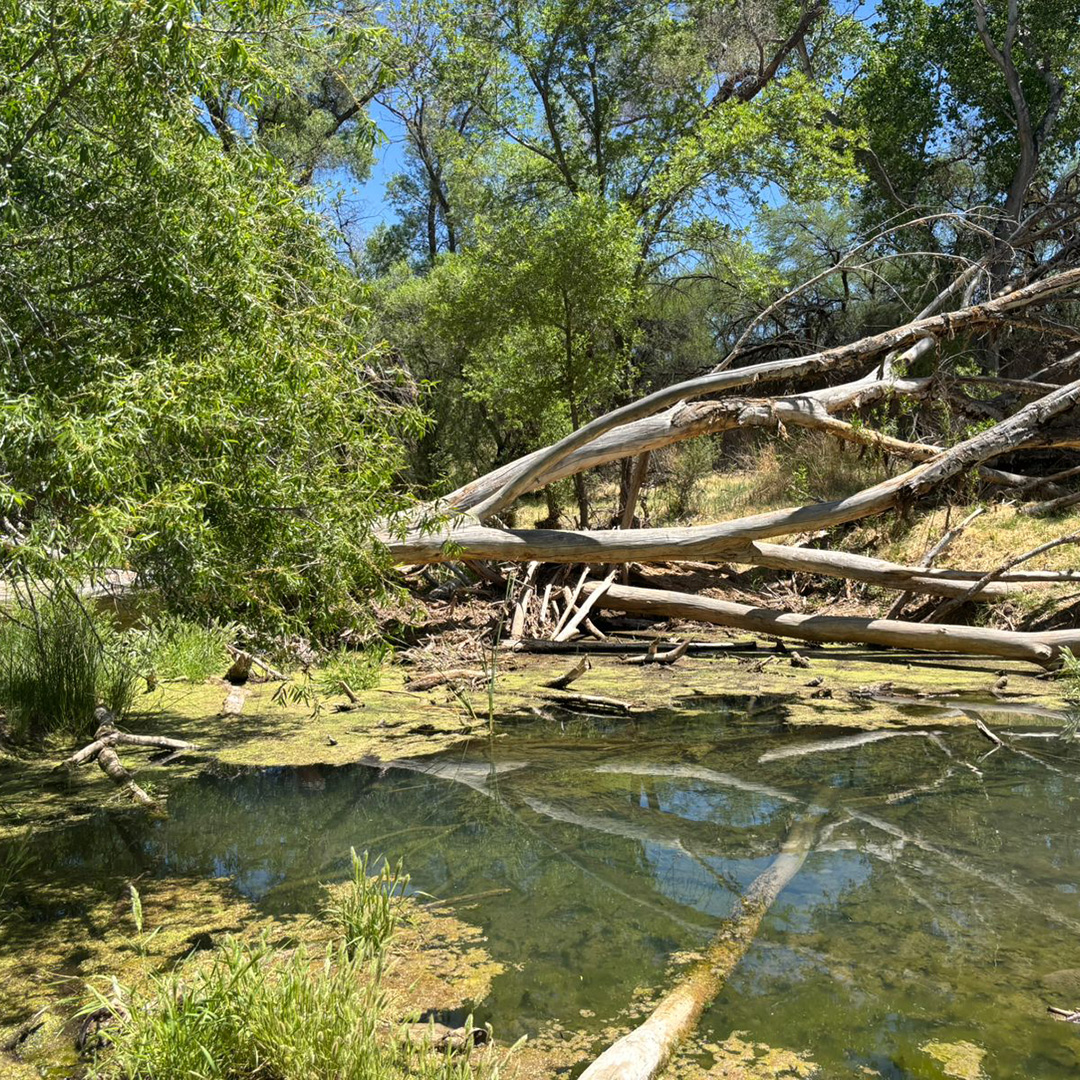
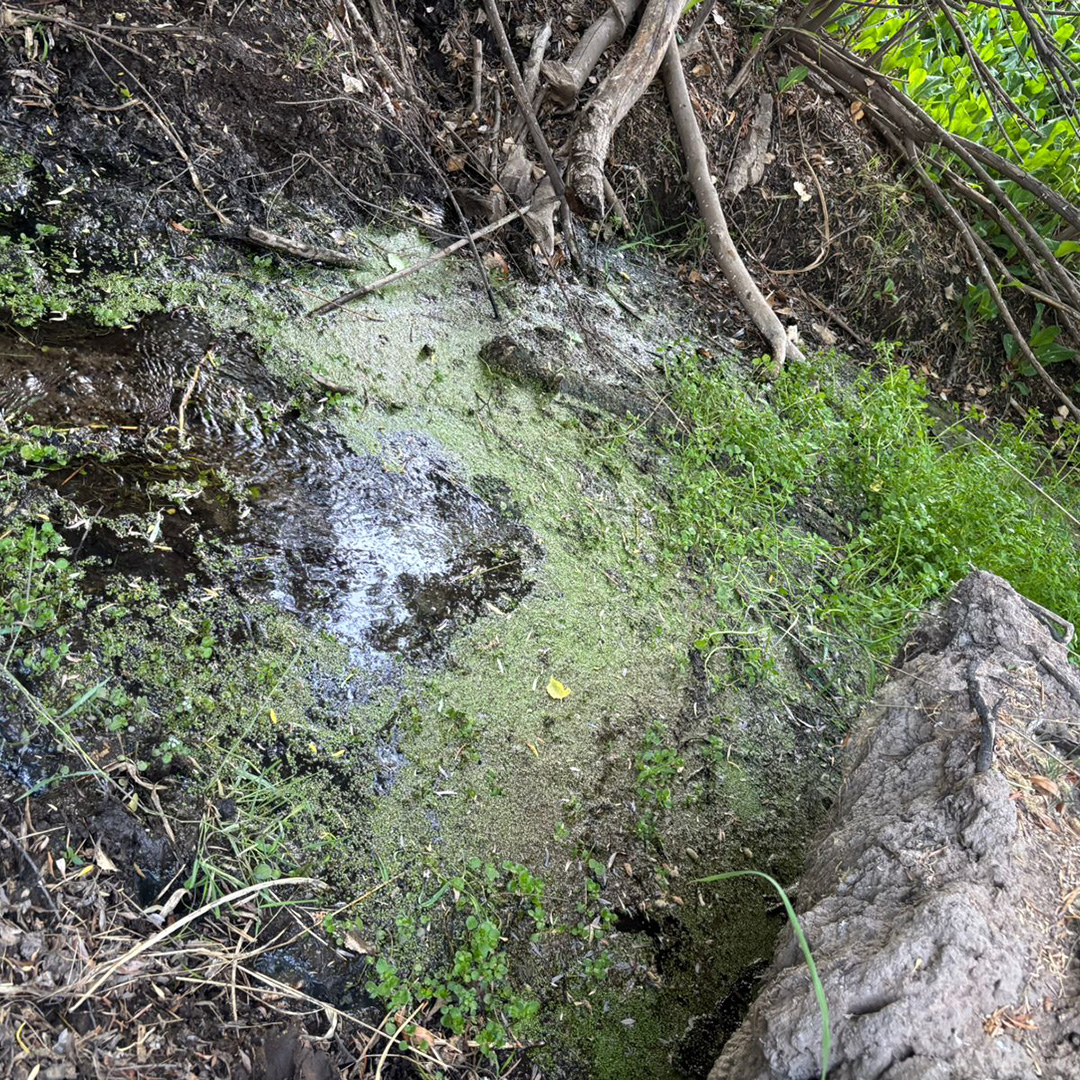
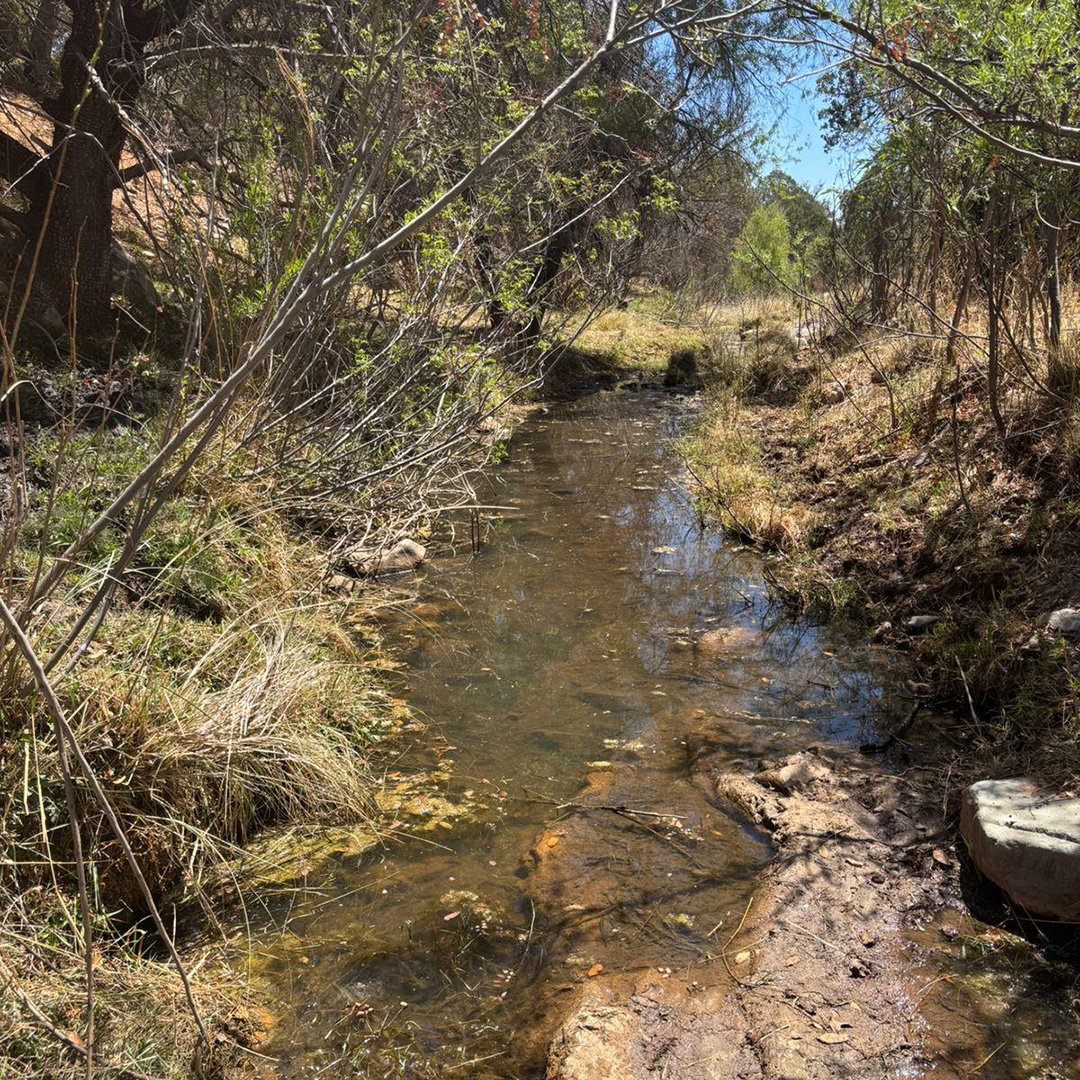
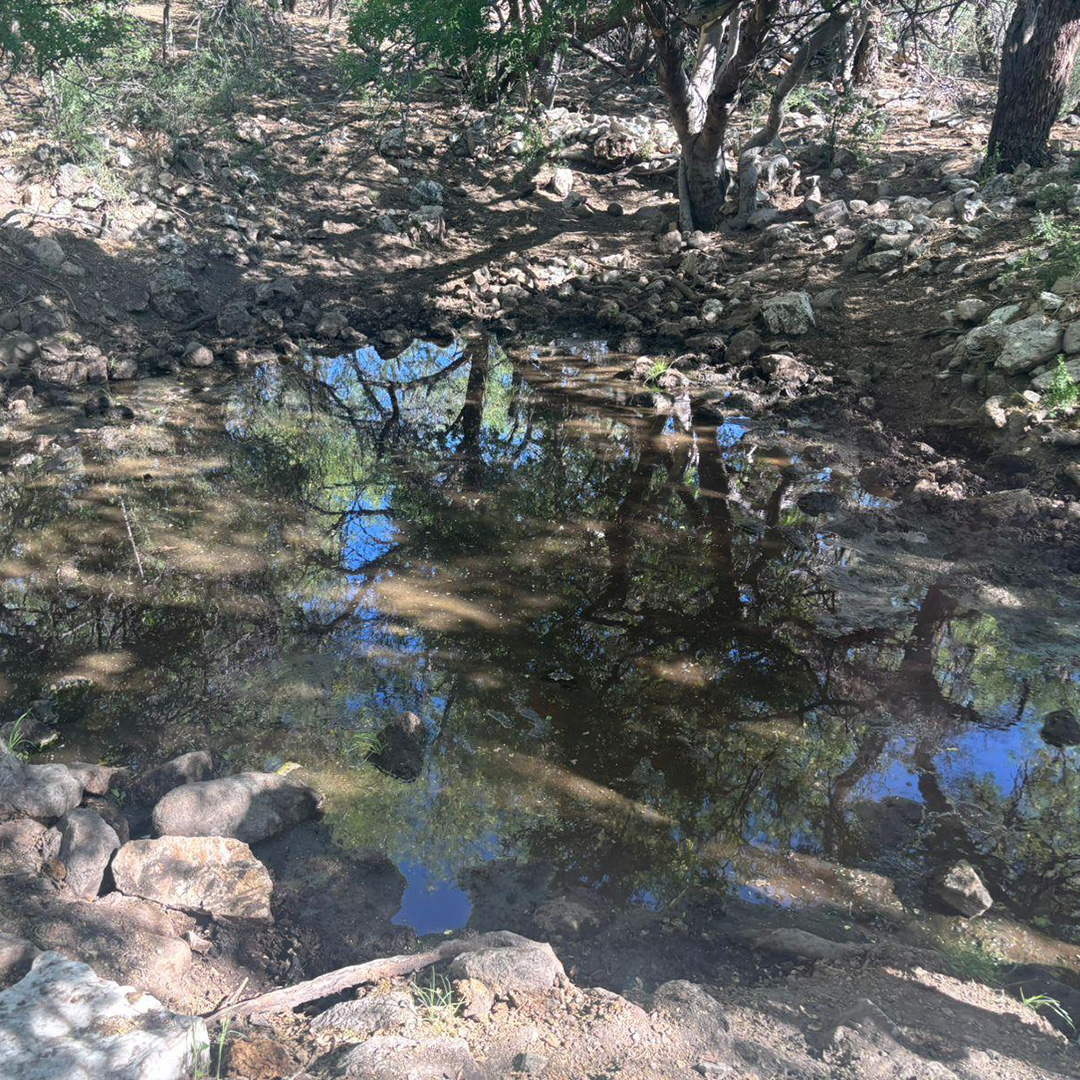
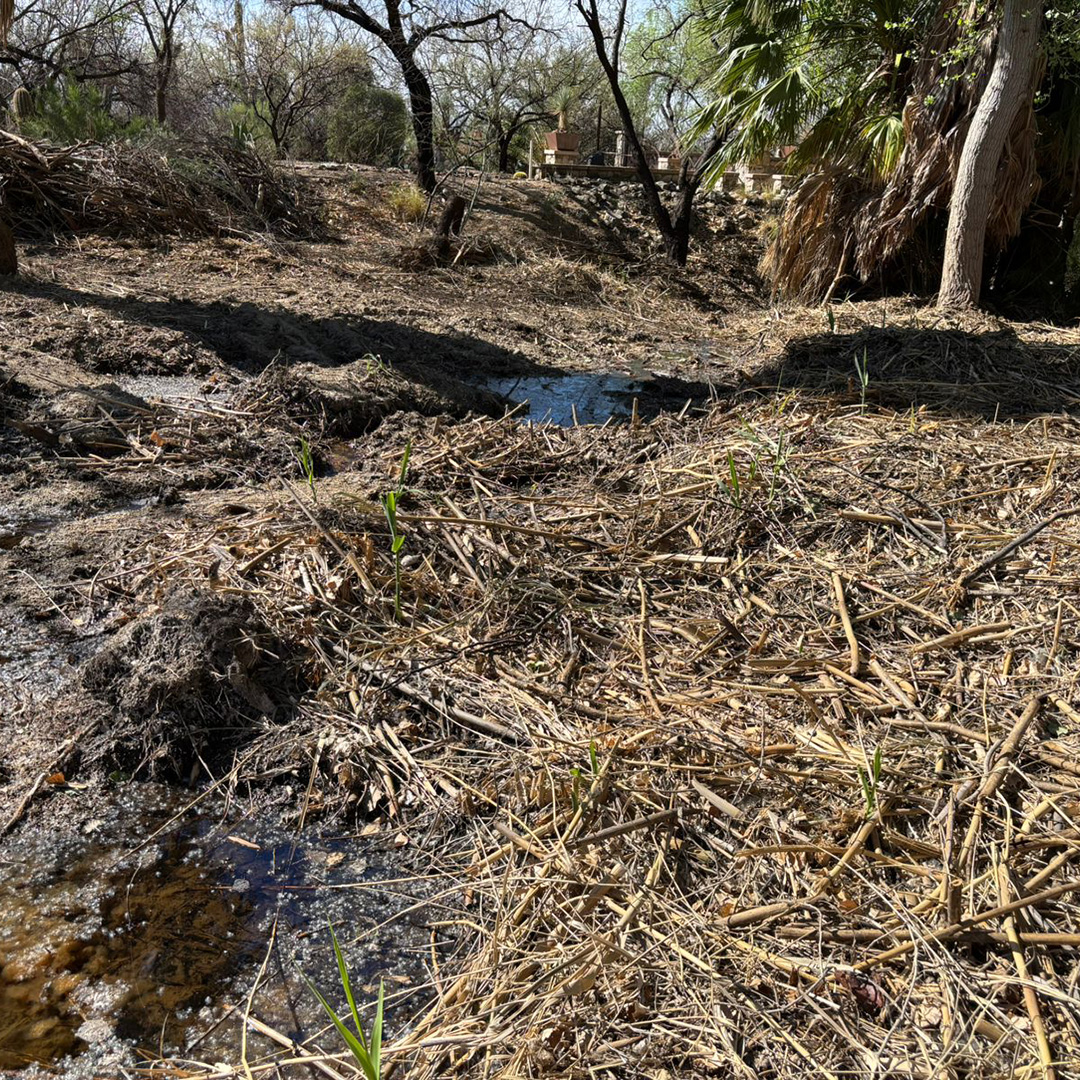
Studied Springs

Results
Each spring shows very different conditions, with specific problems of contamination and fertility, both in water and soil.
| Spring | General Situation |
| Busch | Good quality water, low salinity and organic matter; sandy loam soil with grass vegetation, area affected by fire. |
| Cienega | Very hard and saline water, high in potassium and sodium; sandy soil, riparian wetland vegetation and trees. |
| Confluence | Water with high potassium, good in other nutrients; loamy soil, balanced and fertile; varied vegetation adapted to humid areas. |
| Empire Ranch | Water and soils with excess zinc and nitrates; sandy loam soil, mixed vegetation between riparian and semi-arid. |
| Horse Camp | Very hard water contaminated with mercury; sandy soil with low fertility, riparian vegetation and abundant trees. |
| McGrew | Water low in nutrients and salts, sandy and poorly fertile soil; vegetation typical of semi-arid scrubland. |
| Rock Ledge | Water with excess salts, sodium and nitrites, sophisticated soil; arid vegetation with presence of cacti and invasive plants. |
Recommendations
The recommendations propose a comprehensive approach to preserve and restore springs and their environment. It is suggested to implement sustainable livestock management plans, placing fences that exclude cattle from water sources, as well as promoting rotational grazing to avoid overgrazing and favor the regeneration of riparian vegetation. For affected soils, such as sodic soils at Rock Ledge, the use of amendments such as agricultural gypsum and the incorporation of organic matter is recommended; in soils with potassium and calcium deficiency, such as at Horse Camp, it would be advisable to apply organic fertilizers and compost. It is essential to establish semi-annual monitoring of water and soil, using sensors and geo-referenced sampling that allow identifying risks and priority areas for intervention. Ecological restoration should focus on reforestation with drought-resistant native species in degraded areas, improving natural water filtration, stabilizing soil, and recovering habitats for local species. The importance of environmental education and collaboration with local communities is also highlighted, through training workshops and promoting community water management. Finally, it is recommended to strengthen regulation and protection policies, ensuring compliance with environmental regulations and promoting the creation of protected areas in the most representative and vulnerable sites of the region.