By Zach Palma and Karen Lopez Roman
Before talking about regenerative ranches, it’s important to understand the major challenges that livestock farming faces today in general, such as the demand for feed, water scarcity, and environmental degradation due to soil and vegetation loss. This is where the key question arises: What are we doing to face these challenges?
In these months of work with Sky Island Alliance’s Sonora team, while talking with ranchers and ejido members during some visits to ranches in the region, we’ve noticed that the most common problem they mention is the lack of rainwater to make grasslands grow so that cattle can feed. But a ranch isn’t just grass and cattle. Everything starts with the soil.
What are ranchos regenerativos?
Regenerative ranches are production units that are mostly livestock or agricultural operations. They’re committed to the land and its natural resources, and they work hand in hand with nature, not against it. They produce with the least possible damage, implementing practices that help restore and strengthen the ecosystem.
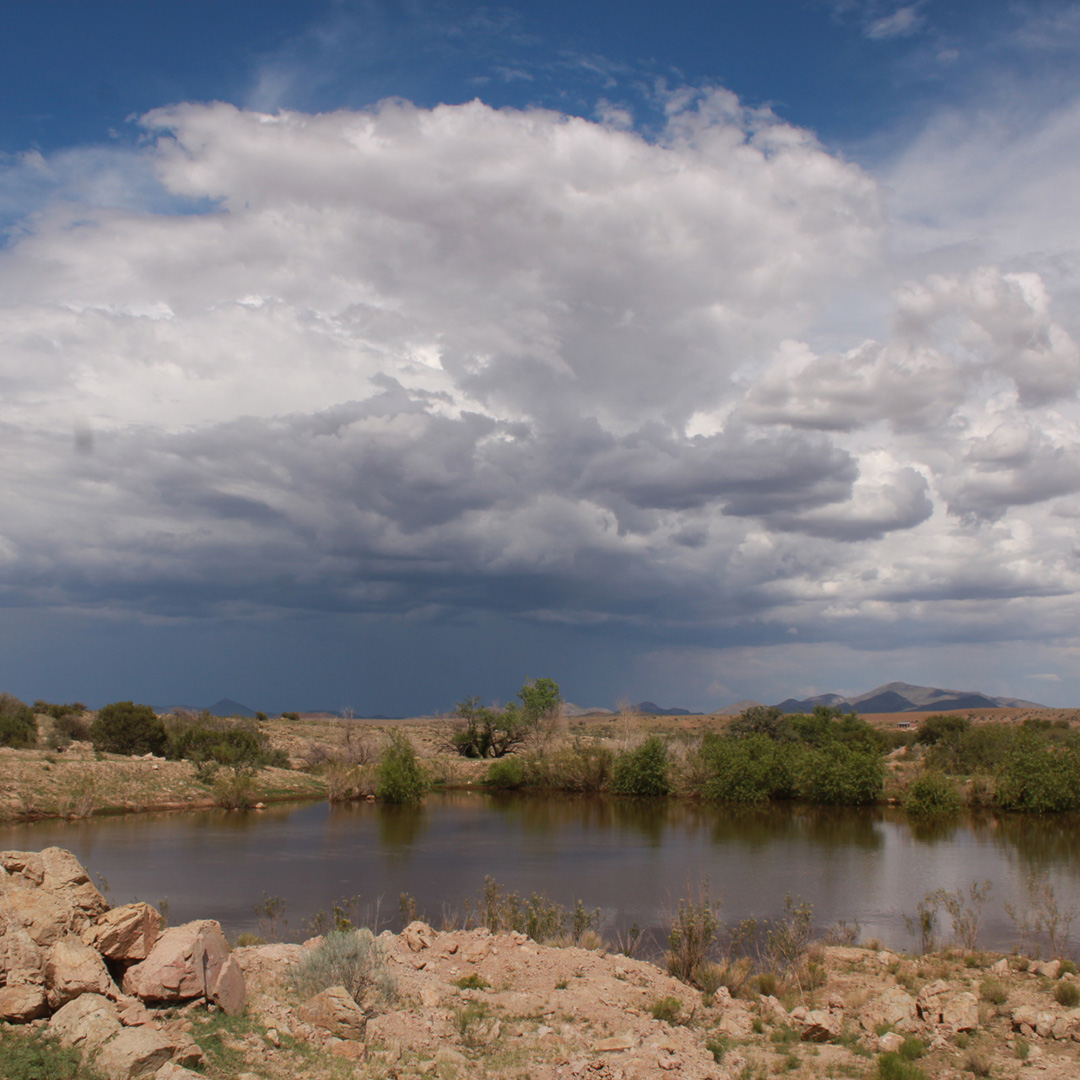
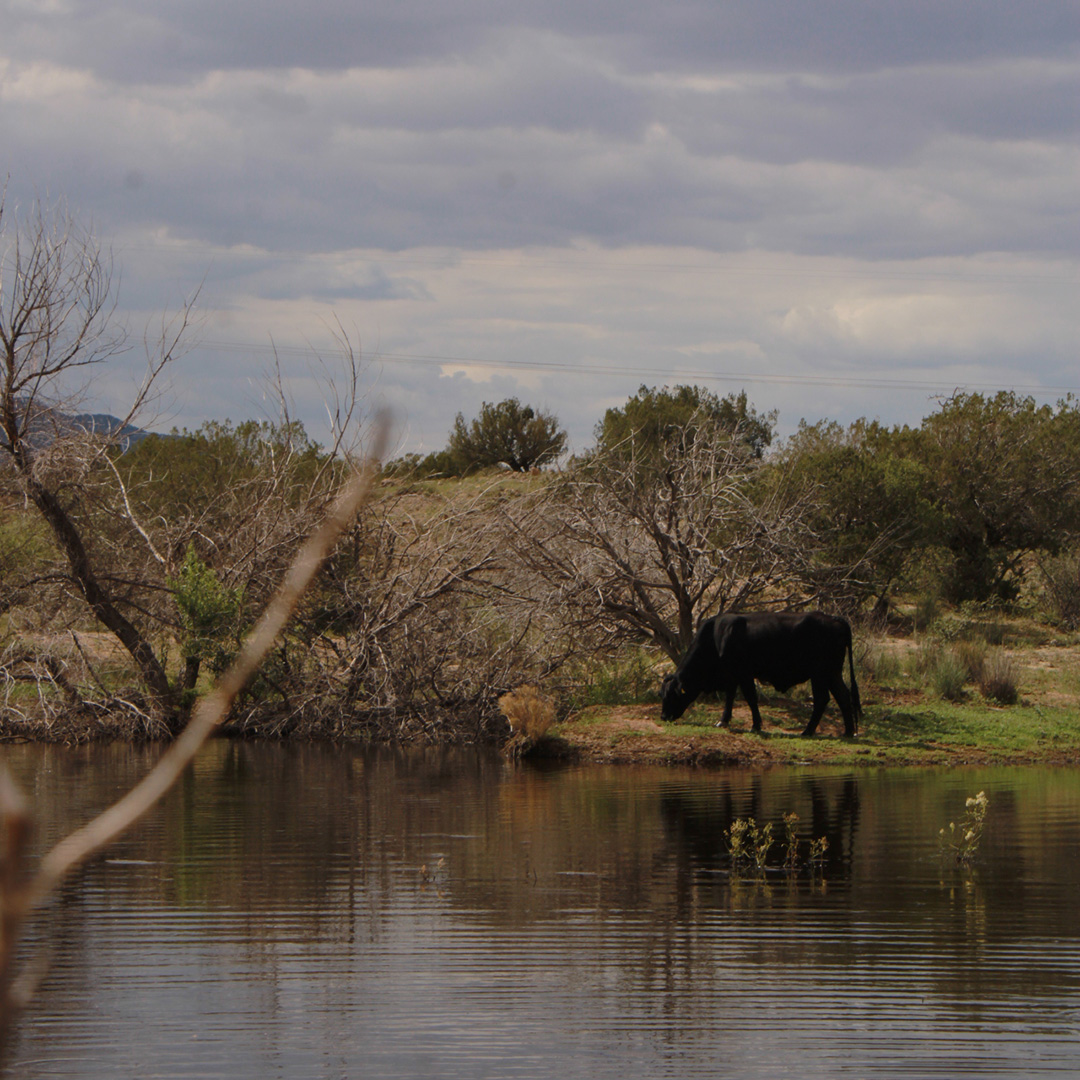
For the most part, the practices carried out in these regenerative processes are based on imitating nature’s principles. They help prevent soil erosion, restore grasslands, reestablish biodiversity, and protect water. They aim to use the least amount of external resources, generating greater capital and benefits by achieving a balance between environmental conservation and livestock production. These techniques give us the opportunity to respond to changes in climate or future challenges — for example, by having extra pastures as a backup during periods of drought.


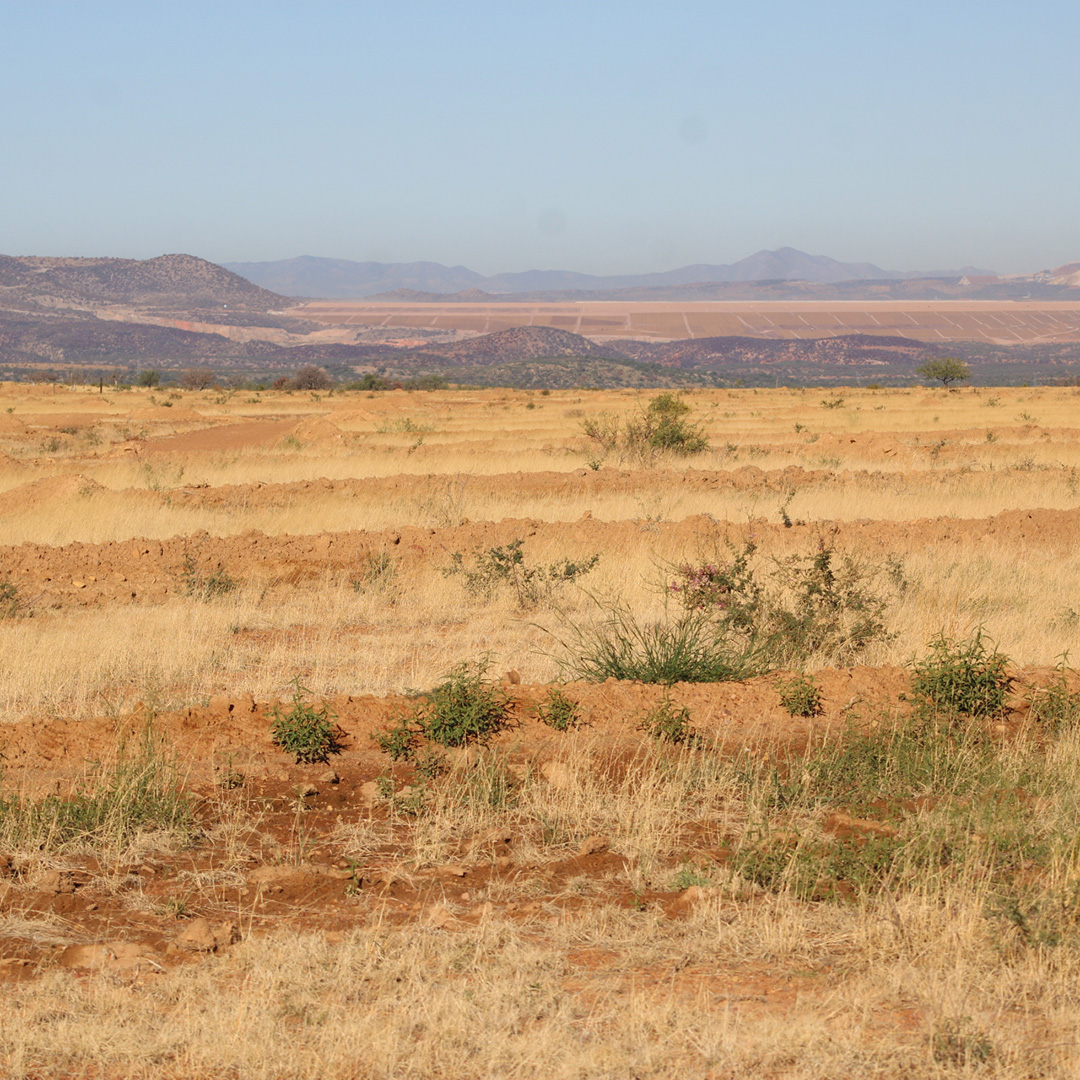
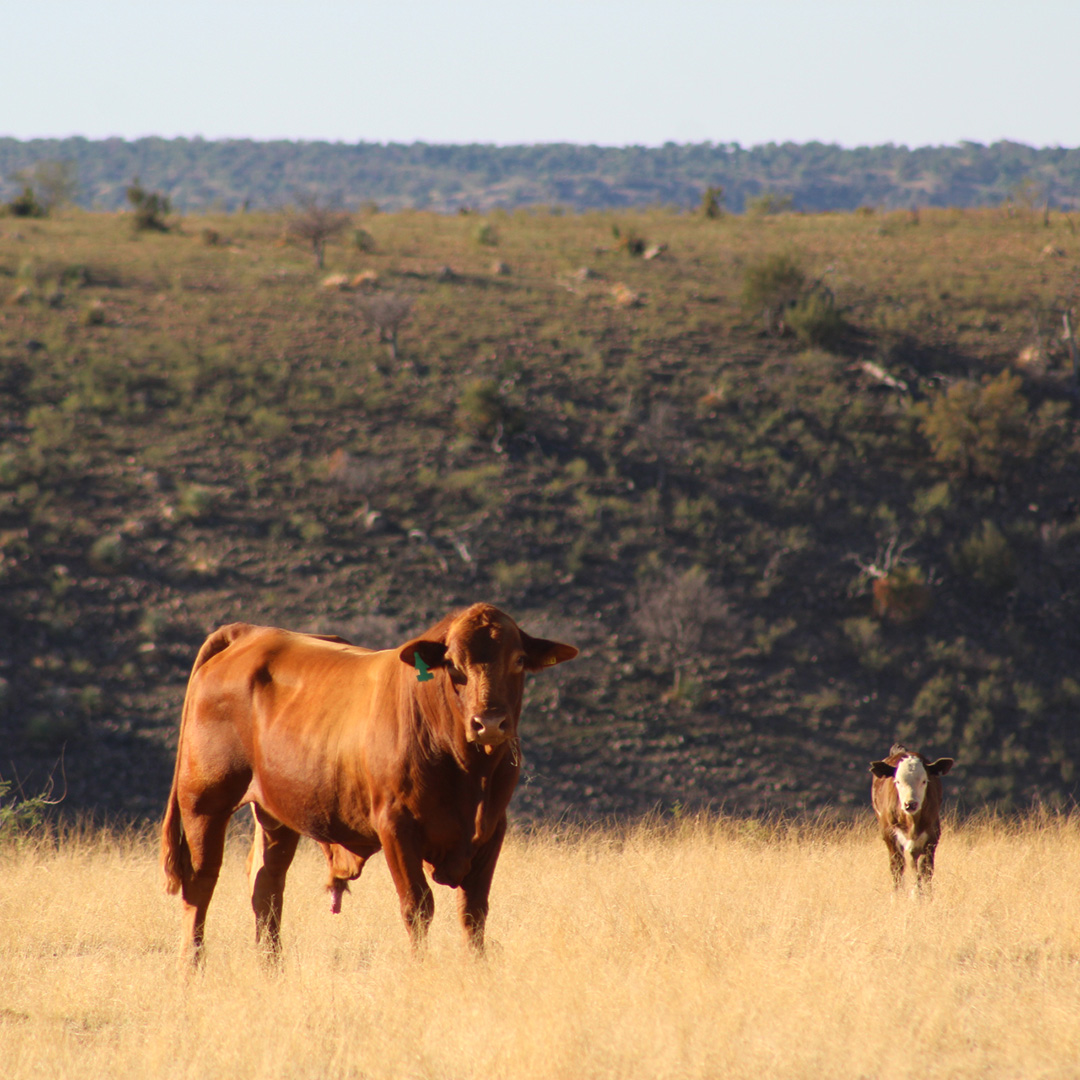
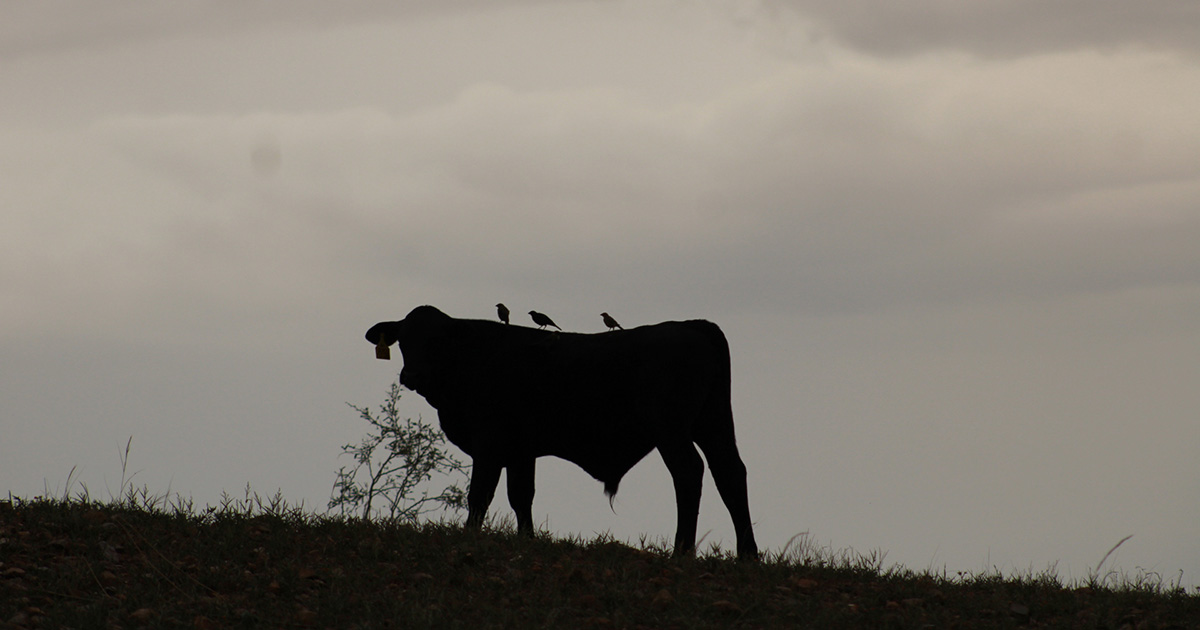
On a regenerative ranch, cattle aren’t a problem: They’re part of the solution. There’s something we call regenerative grazing, which can be used as a very efficient tool to recover and strengthen the soil and its biodiversity. The most common and efficient technique is a planned grazing system, ideally one of high intensity and low frequency, where cattle consume grass uniformly and non-selectively, helping to fertilize the land and disperse seeds naturally through their manure. By breaking up the ground with their hooves, they also help seeds penetrate the soil, forming micro-basins that help water infiltrate into the ground. The key is giving the grassland prolonged rest after grazing, which allows the land and its biodiversity to recover with greater resilience.
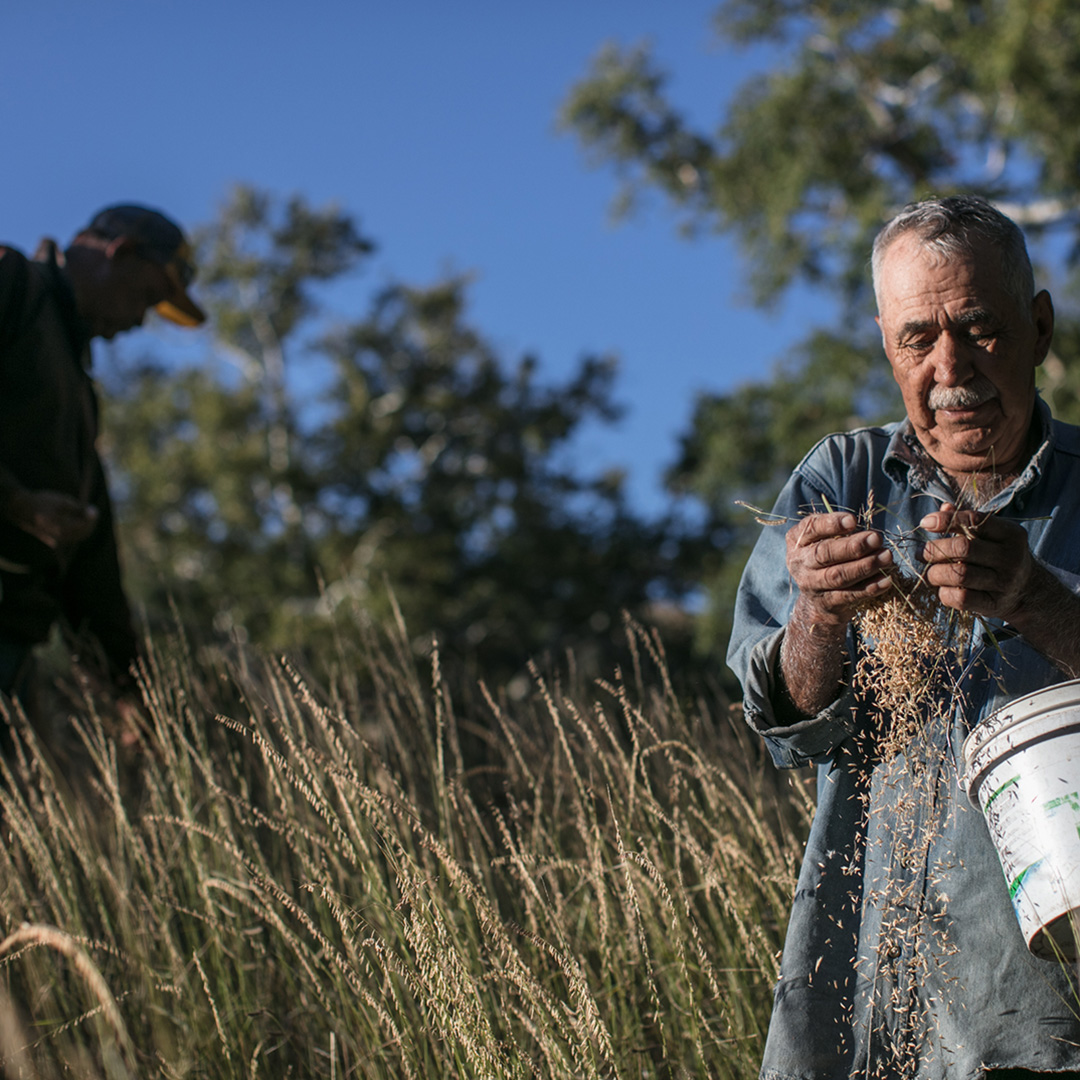
As we mentioned earlier, another important aspect for all ranch owners is the economic one. It’s essential that ranches generate income and that they be self-sustaining. It’s also key that they use the least amount of external inputs, increasing their production without compromising the ecosystem, while also seeking other sources of extra income beyond the main activity, such as beekeeping, native grass seed production, ecotourism, organic products, among many other options.
Adopting the regenerative ranch model doesn’t mean working harder, but rather working more intelligently and in harmony with nature to ensure healthier and more ethical production, without compromising the ecosystem for future generations. It’s not hard to start the transition to a regenerative ranch. You can begin with small but sure steps, starting with the soil.
Zach Palma is the Mexico program manager for Sky Island Alliance, and Karen Lopez Roman is a ranchos regenerativos technician. If you’re interested in learning more about how to join our