
Hello, I’m Michell Cordova, and I recently joined the Sky Island Alliance staff. I’m currently a tech with the Ranchos Regenerativos program, and I’m very happy to be part of this project. I’d like to share a little about what the wildfire experience was like this summer near Cananea, Sonora, where I live.
It was around noon on Thursday, June 19, when a forest fire broke out in the Sierra Los Ajos-Bavispe, located in the Sierra Madre Occidental to the east of Cananea. It’s a protected area, home to a wide diversity of flora and fauna endemic to the region. Thanks to the connectivity between protected areas, species such as bears, deer, and pumas were able to move to the lower part of the Bavispe Forest Reserve.

The fire raged for more than two weeks, affecting more than 10,000 hectares of vegetation. Fortunately, there were no reports of the loss of animals in the surrounding area; the media reported that they fled in search of refuge within the large nature reserve. The flora within the area’s oak and pine forests, however, was damaged.
Firefighters and brigade members struggled to control the massive blaze while waiting for the seasonal rains. And while there was rain on June 24, it was not enough to control the fire.
The rain did bring a large part of the fire under control, but the weather conditions weren’t the best due to strong winds that occurred during those days. After more than two weeks of hard work, they were finally able to bring the fire under control. Now, more than a month after the incident, we’ve had a significant series of rains that have helped the situation, and the fire is completely out.
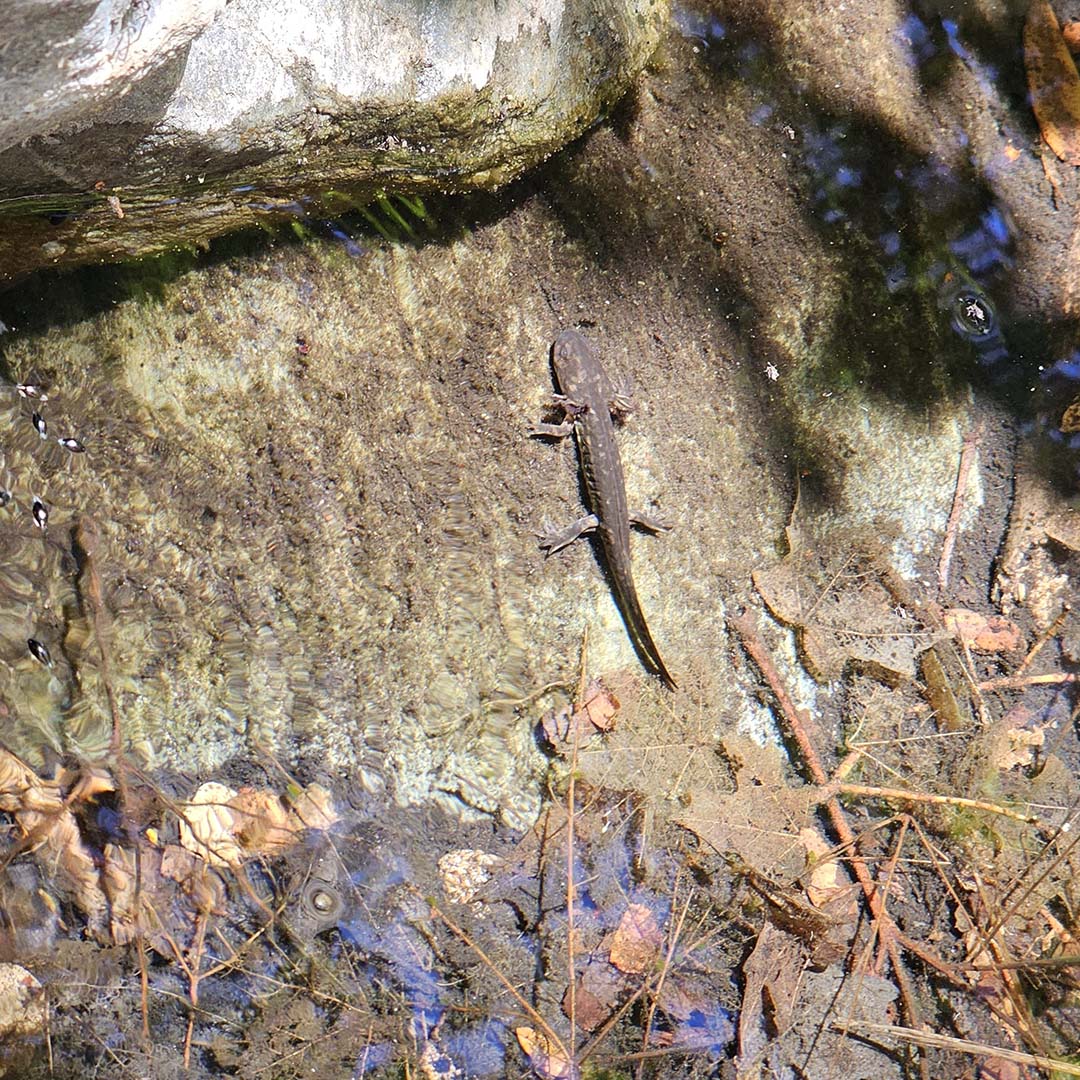
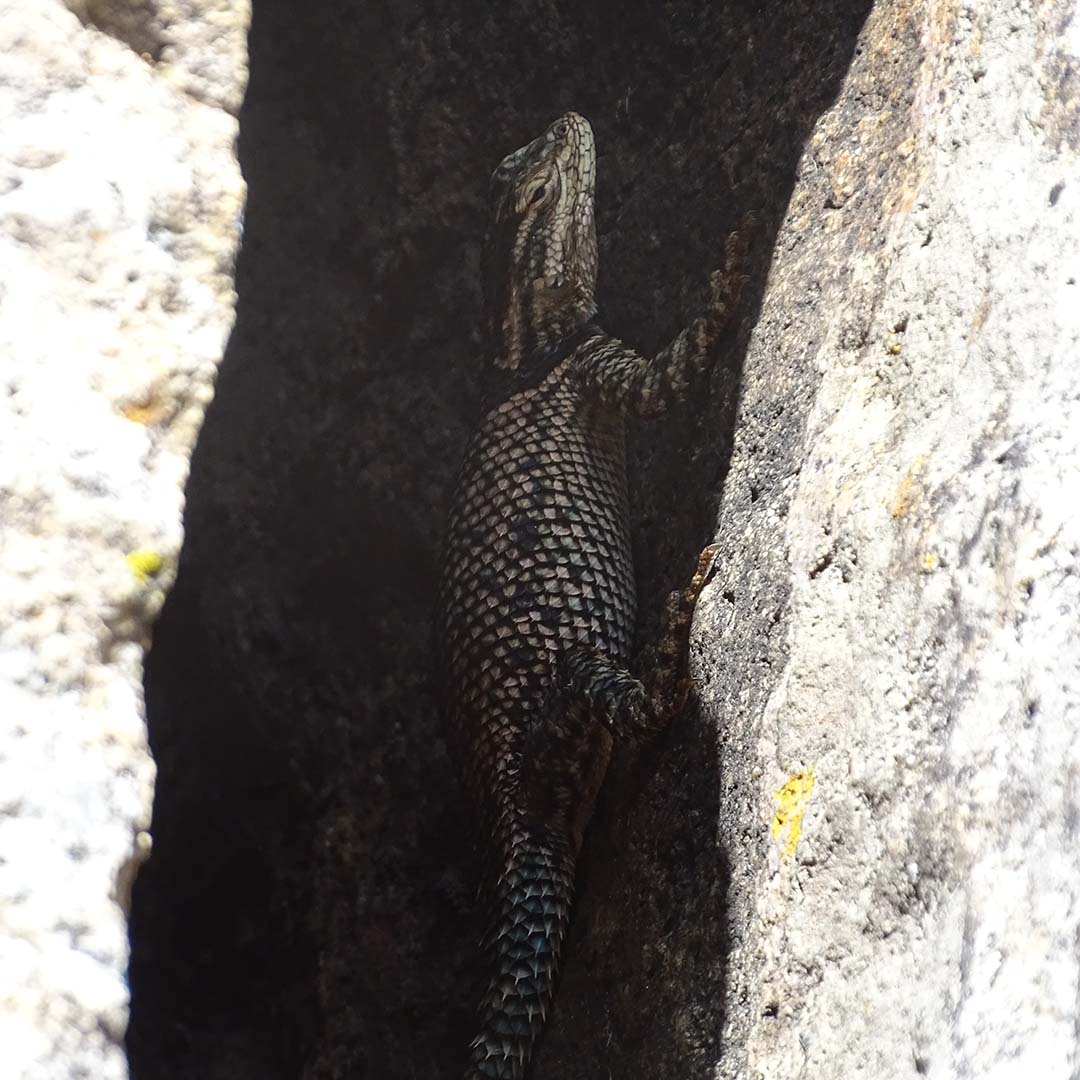
For now, the region’s biodiversity will have a chance to recover. Below are just a few of the species seen during a recent SIA trip to the area in June, before the fire. Thanks to Héctor Montaño for the photos.




Thanks to the fire, there is now a lot of organic matter in the soil, benefiting some plants, such as pines and oaks, which are able to regrow their roots or trunks after a fire. It’s also expected that this fire will trigger the germination of seeds found in the soil or in the treetops, especially in species like pines, whose seeds are protected by resins that melt in the heat.
With all this in mind, I believe we must look on the bright side. Although what happened was a significant loss, fortunately many animals were not killed, and the fire did not reach nearby ranches or communities. What happened will result in some improvements to the soil, helping with plant growth and development, providing nutrients, improving soil structure, and increasing its water retention capacity.
What we can do now is be mindful of our actions and take care of our surroundings as best we can — not leaving burning campfires, for example, or throwing away cigarettes and glass, which can cause this type of fire and disrupt the natural fire cycle in the area.