
Hello, I’m Karen Aglaee Lopez Roman. I’m currently a regenerative ranch technician at Sky Island Alliance and recently joined the team in Sonora. I’ll be working closely with Michell Córdova and Zach Palma.
I’d like to share a bit of my experience with wildlife, cattle, and grasslands. I had the opportunity to experience this relationship for the first time at the “Los Ángeles” experimental ranch at the Antonio Narro Autonomous Agrarian University in Saltillo, Coahuila. It was one of the most meaningful experiences I’ve had throughout my university career. During my July 2024 visit to the Los Ángeles ranch, while analyzing cattle behavior with my colleagues Tadashi and Neyla, we also observed the presence of coyotes, Mexican prairie dogs, and bobcats. We found this very interesting since it’s often said that wildlife can disturb cattle, but this time that wasn’t the case. The cattle remained very relaxed. We learned about the interaction of livestock and wildlife in the same pasture, and it was inspiring and a great lesson that we can bring to human life — the harmony of living together in the same place.

We heard a lot at the ranch about the importance of healthy pastures, which benefit ranchers when their cattle are able to produce more offspring. A healthy pasture provides grasses with good nutritional value for cattle, but also encourages the presence of wildlife, which create a balance in the ecosystem, help prevent soil erosion, and sequester carbon, among many other things.
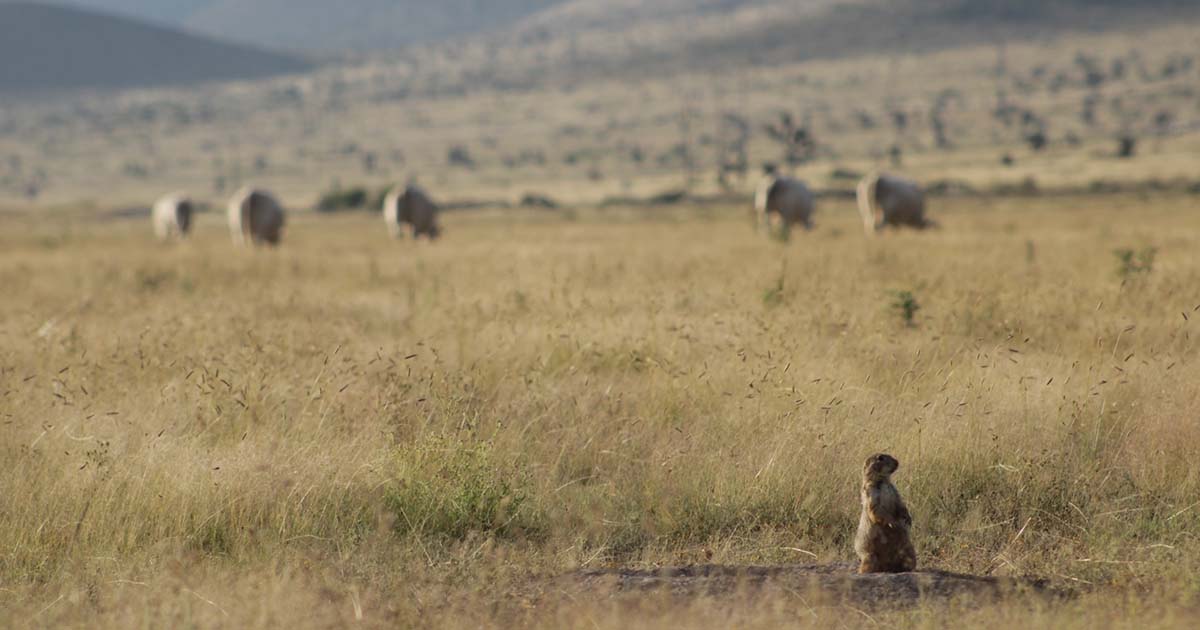
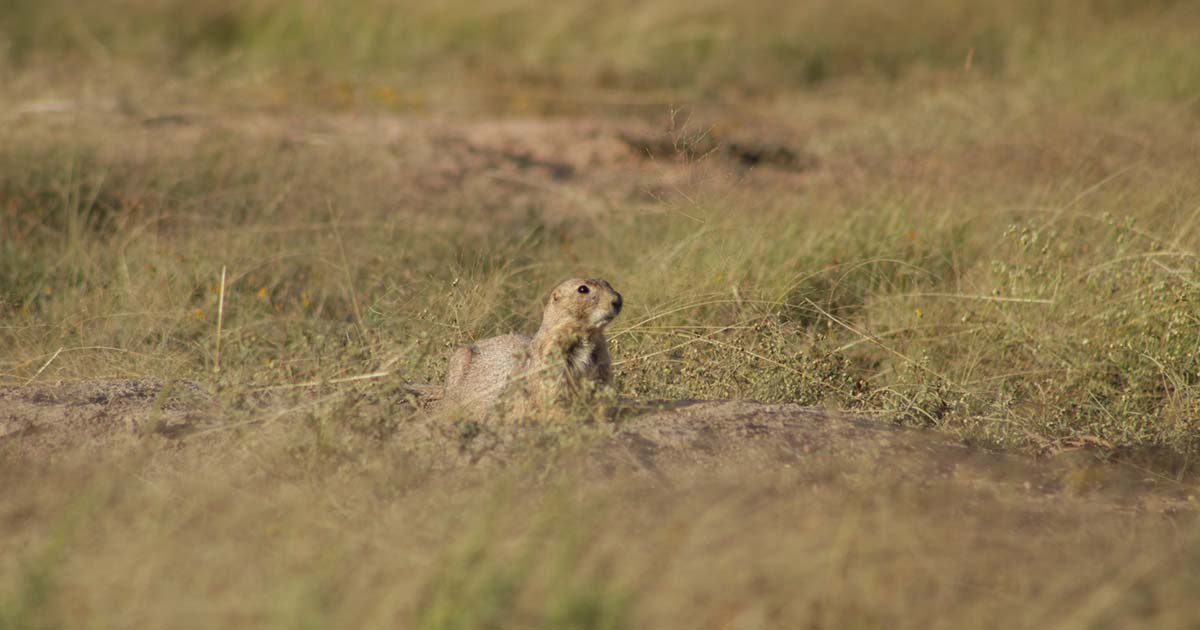
In the following images, you can see a Mexican prairie dog (Cynomys mexicanus) surrounded by different grasses, with cattle in the background. It’s a perfect representation of three elements living in the same place, each benefiting from the other. The prairie dog’s burrows provide oxygen to the soil. For their survival, prairie dogs require the surrounding vegetation to be small so they can see their predators; for this reason, they selectively feed on vegetation to maintain visibility near their home, reducing the presence of shrubs. By feeding on grass, cattle encourage the dispersal of seeds in their poop. And by trampling the ground, they can break up the soil, creating a fallow effect and helping produce even more grass. Grass provides food, prevents soil erosion, and creates homes for some birds, among many other things.
That’s when you understand that everything starts from the ground up, from the earth beneath our feet. Today, I am deeply interested in helping ranchers and their lands, starting from the ground up with restoration techniques, but also by seeing cattle in a more positive light, as a means of supporting this work. It’s so wonderful to be in such an extraordinary place, where you understand our lives a little more: the sun, the air, everything that moves on its own, animal instinct, nature at its best. That’s when I fall in love again with the countryside and everything that surrounds it.