
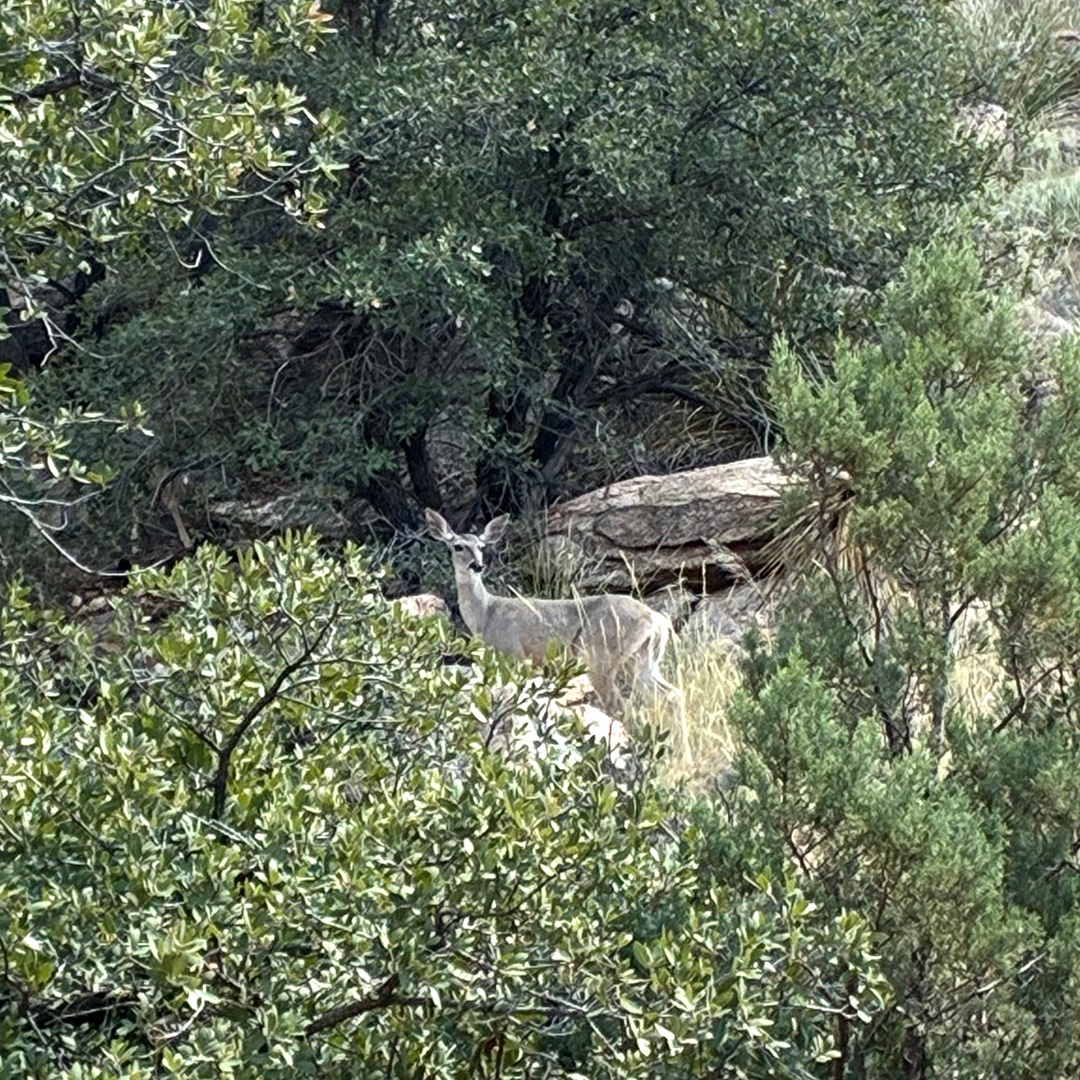
This fall, with the help of Maria Renée, a Tucson-based artist, conservationist, and grief consultant, SIA is hosting a series of talks and exercises on tending environmental grief. In case you missed the first talk, you can watch a recording. A follow-up webinar on Dec. 10 will let participants share their reflections on a series of prompts, the second of which is presented here. Scroll to “The Invitation” below to try it.
Remembering Ecosystems: Letters to the Lost
In environmental conservation, memory is key.
To understand the present, we must have a sense of the past. One way we do this is through the collection of data, which illuminates trends, changes, interactions, and relationships in a given ecosystem. Through this practice, what was becomes visible. Another way is through story, in which memories are shared from person to person, often between generations, to paint a picture of how things used to be. We might hear whispers of the rain that used to arrive reliably every winter … or of the times when deer were plentiful in these mountains … or of a certain spring that once supported abundant life.
Sometimes, these memories and records point to abrupt or catastrophic impacts of human decisions on an ecosystem or species. Other times, they simply show natural change and fluctuation as a normal part of a dynamic environment. Often, it’s some measure of both.
We know we are living in times of significant environmental change and, with it, great loss. Our collective memory becomes an anchor to the species, sounds, landscapes, and waterways that once were.
Memory is also key in tending to grief. Some say we keep those who are no longer with us alive by remembering and honoring them. Through loss and the practice of remembering, we find connection of a different kind.
In Flight Ways, Thom van Dooren describes “storied mourning,” in which stories of individual animals and whole species are shared to memorialize them in a time of rapid change and extinction. Mourning, he writes, does not simply help us move on or accept a loss. It also allows us to communicate that loss to others, helping them understand why it matters and drawing them into a felt connection with it. In this way, mourning is an act of bearing witness to loss. Through remembering, we co-create a shared and changed reality, one in which we “inhabit a meaningfully shared world.”
The Invitation
Recall a species, landscape, or individual plant or animal that’s important to you. Spend some time writing a letter to them or about them. What do you remember? What feels meaningful? What do you want them to know, and what do you want others to know about them?
To collectively share and witness landscapes and species, both thriving and struggling, we encourage you to submit your response as a photograph or file. Responses can be submitted anonymously or with your name and will later be available for public viewing. Thank you!