

Through our Ranchos Regenerativos program, our relationship with ranchers and ejido landowners who want to make their land more sustainable grows every day. We know there’s an enormous amount of work to be done in the Sky Island region, and although in recent years we’ve made significant progress with the SIA team, volunteers, ranch staff, and students, we know there’s more to do. For this reason, this spring we launched a pilot project forming a Ranchos Regenerativos brigade!
During a five-week period, this work crew, hired by day, carried out a series of activities focused on the conservation and restoration of strategic ecosystems, building on our projects with ejido communities and private ranches. Our vision is to provide more local employment opportunities in rural areas, build local capacity in restoration techniques, and offer safe, steady work every year during field work seasons. We hope that in the years ahead this team will not only work on SIA projects but also integrate into projects from other conservation organizations in the region.
This spring, one of the main tasks carried out was the construction of livestock exclusion fences on three different ranches. These structures are designed to protect riparian areas and springs — preventing livestock access and reducing soil and vegetation degradation while allowing access for native wildlife. This season, the brigade, together with our Ranchos Regenerativos technicians and ranch partners, successfully installed wildlife-friendly fences at three springs and along two streams with degraded riparian habitat. In all, more than one hectare of sensitive ecosystem was protected.



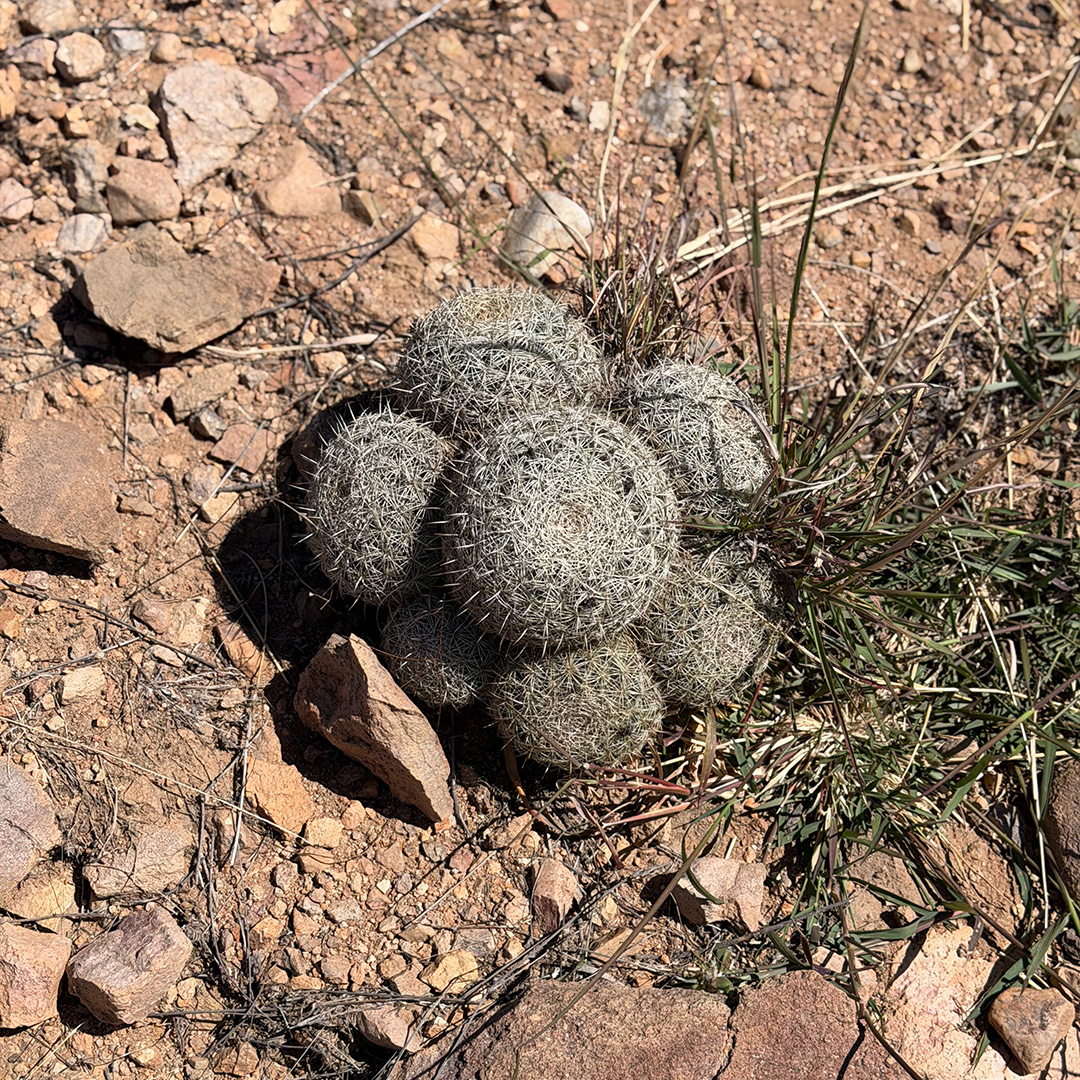
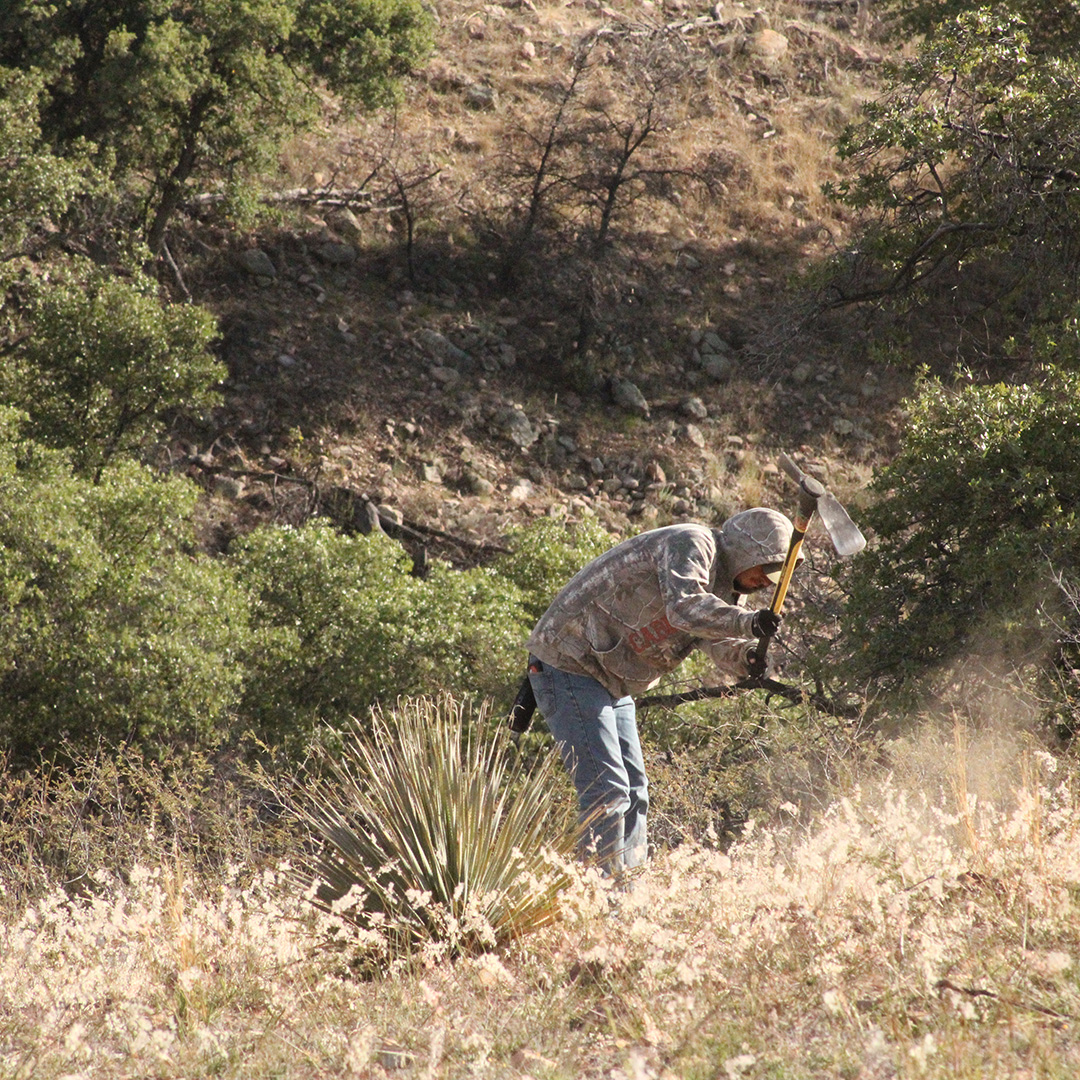
Complementing this work, the brigade carried out grassland restoration by manually removing invasive catclaw acacia on approximately eight hectares. Controlling this type of plant is essential, as its spread due to overgrazing and climate change can disrupt the ecological balance and displace native species through shrub encroachment.
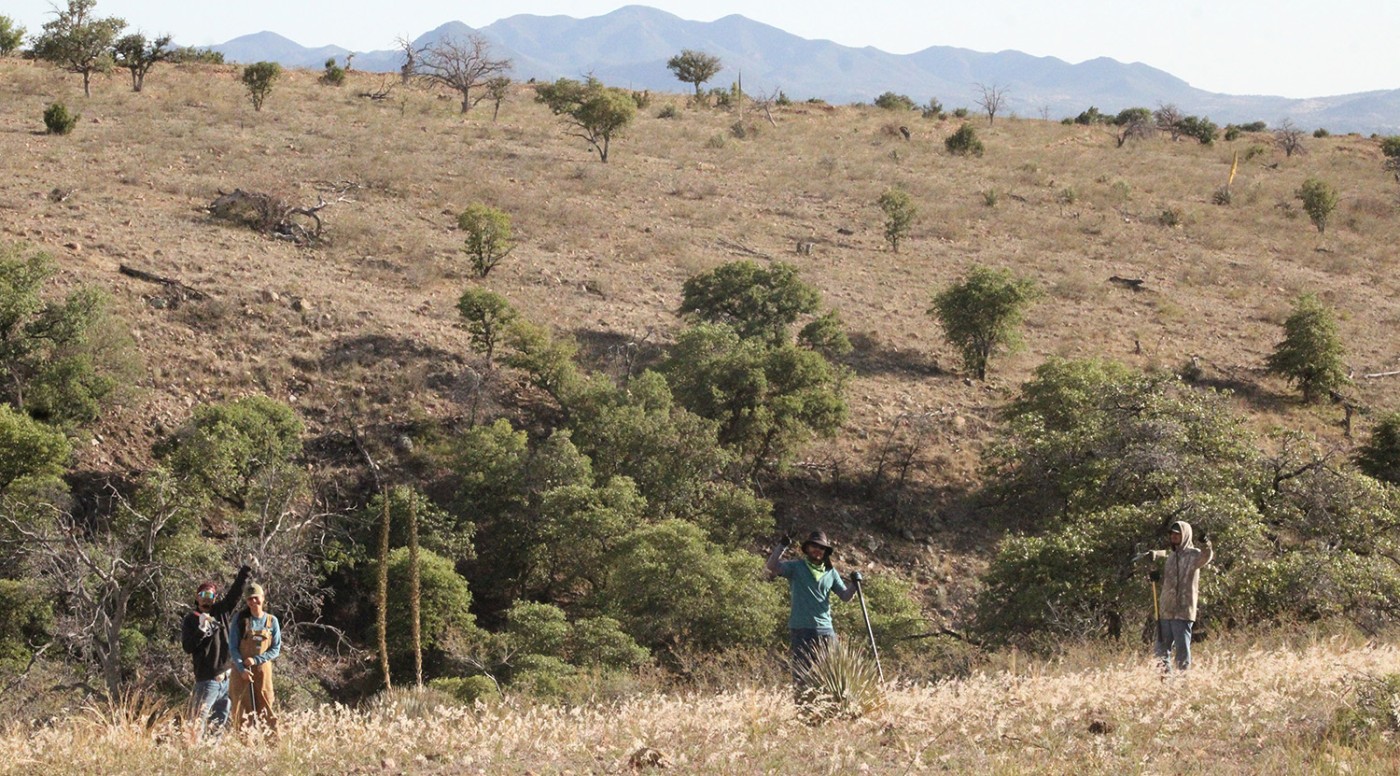
In addition to combating invasive shrubs, the brigade also began a new project to create a 6.5-hectare exclusion zone for native seed production at Rancho Cazadero, located to the south of the Sierra San Antonio in the Río Cocóspera watershed. This “seed nursery” will be used to produce native grass seeds for future restoration projects in the region.
The work carried out by the brigade this season was a significant undertaking — one that required physical effort, planning, and coordination from the team. But we’re very pleased with the results and see this as a promising path forward for conservation in the region. Through initiatives like these, we move toward a more sustainable future, and we look forward to tracking the positive impacts in the years ahead.