

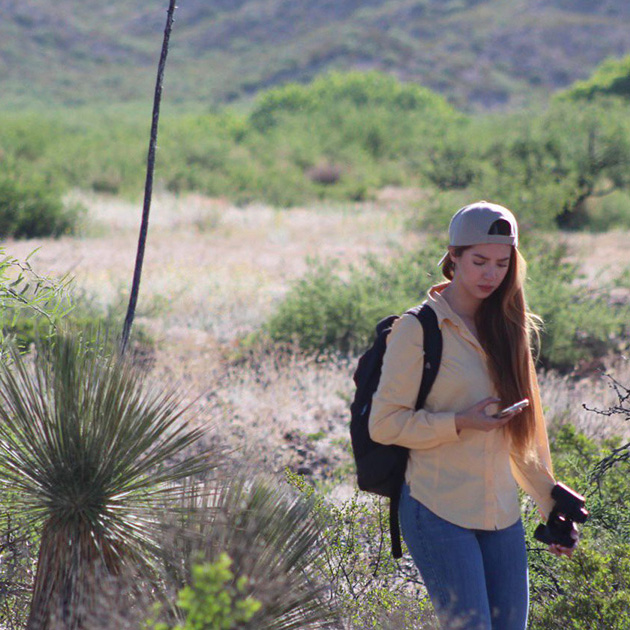

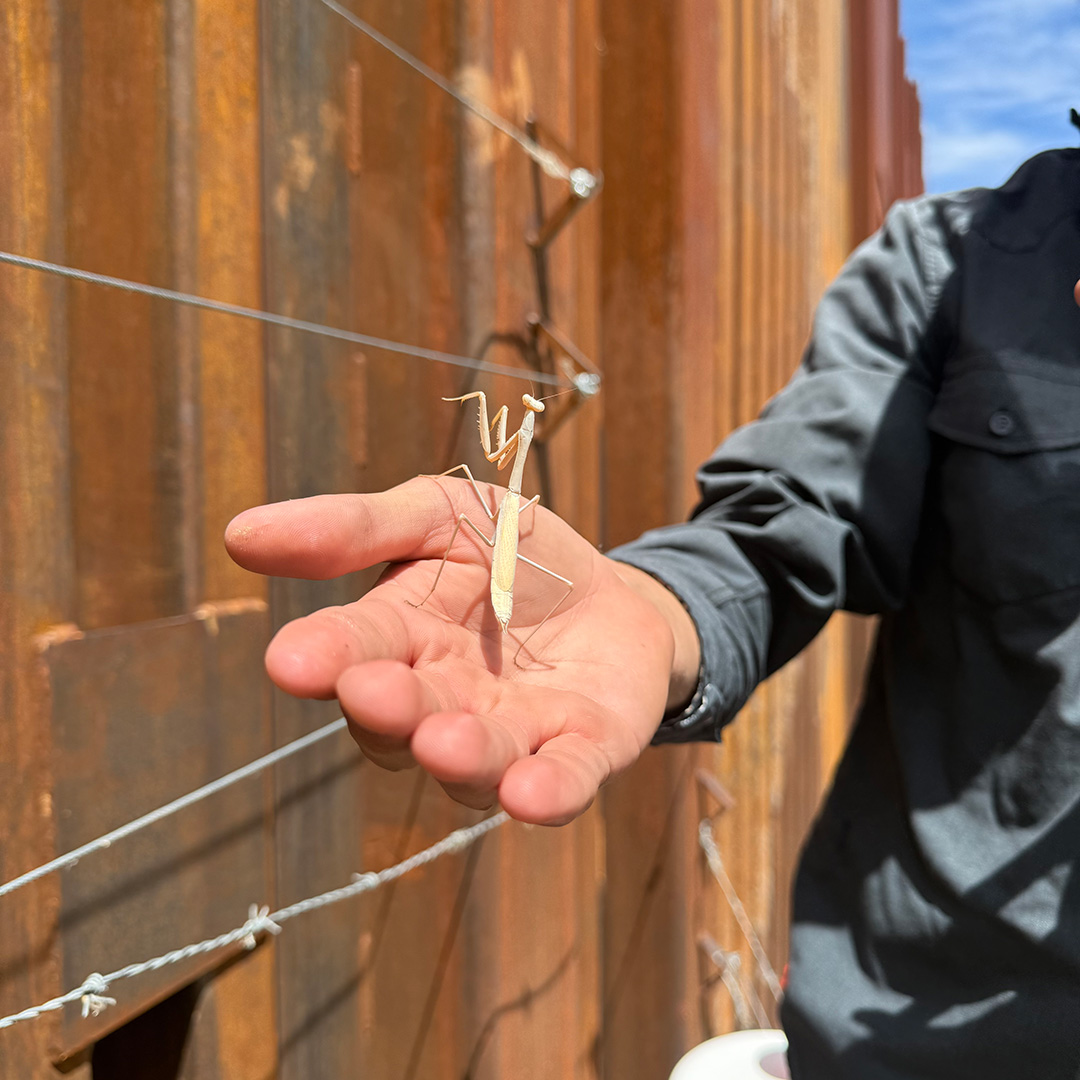



My name is Ximena, and I’m an eighth-semester student of Environmental Sciences Engineering at the University of Sonora in Hermosillo. I’m going to share my experiences at my first Border BioBlitz at Cuenca Los Ojos, held recently from April 23–26.
First of all, on Thursday we gathered to make our way to San Bernardino, where the BioBlitz would take place. Upon arriving, we were able to get settled in the house and prepare to head out with the Cuenca Los Ojos team and Miguel Enríquez from Sky Island Alliance to set up three wildlife cameras. Miguel showed us the process for installing a camera effectively. First, we identified a location that was frequently visited by local wildlife — for example, near a body of water or along a wildlife corridor. Then we configured the camera with the desired settings, such as the time per shot, motion sensitivity, and so on. We placed the camera at the appropriate height to successfully capture animal photos, secured it to the chosen spot, and cleared away any foliage to ensure a clear image.
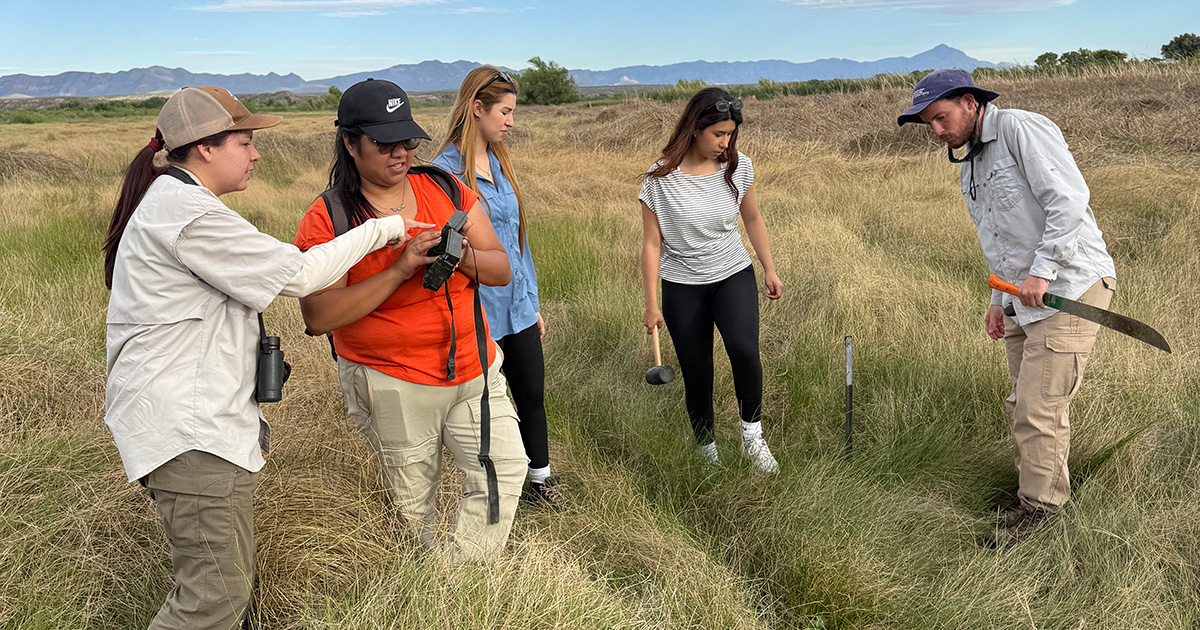
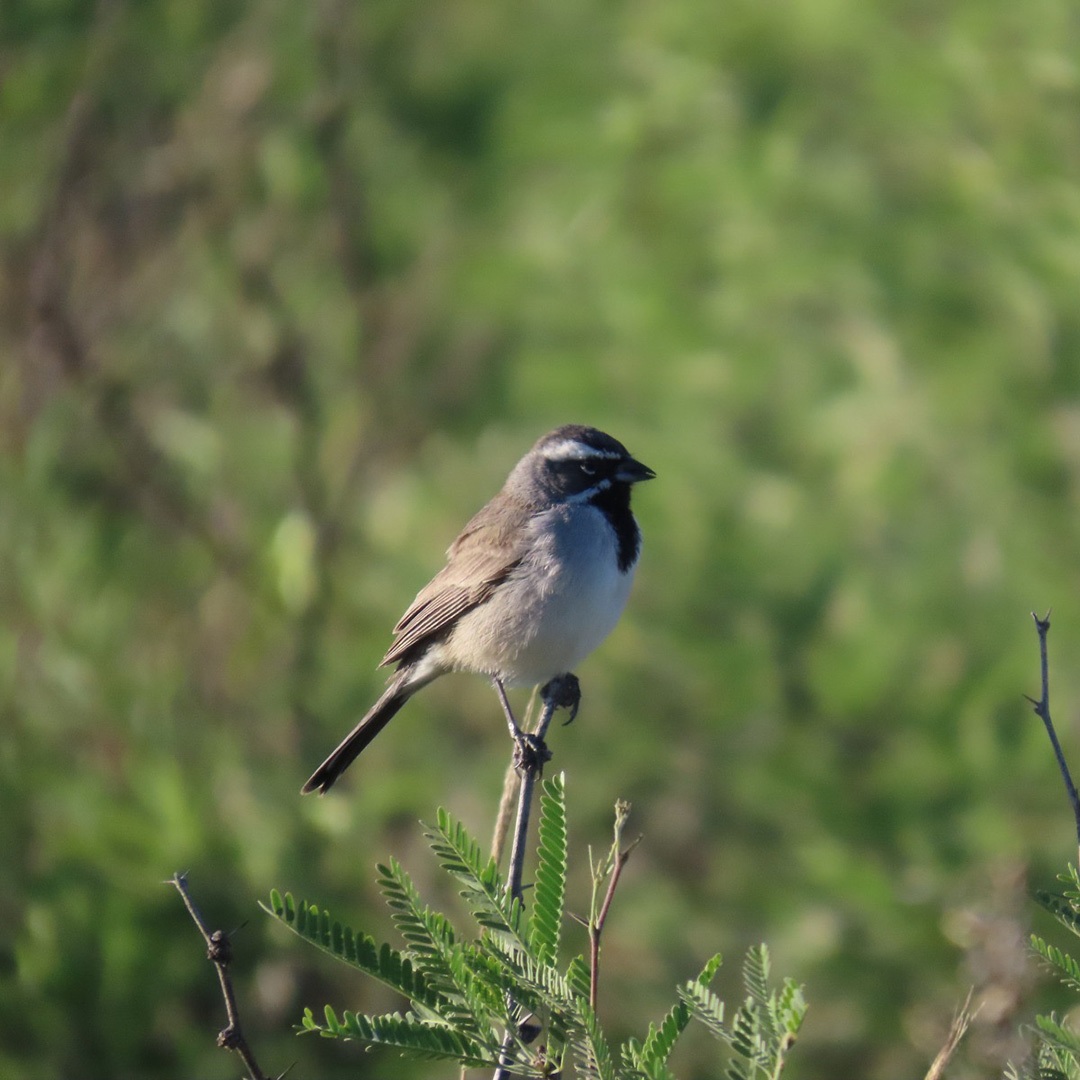
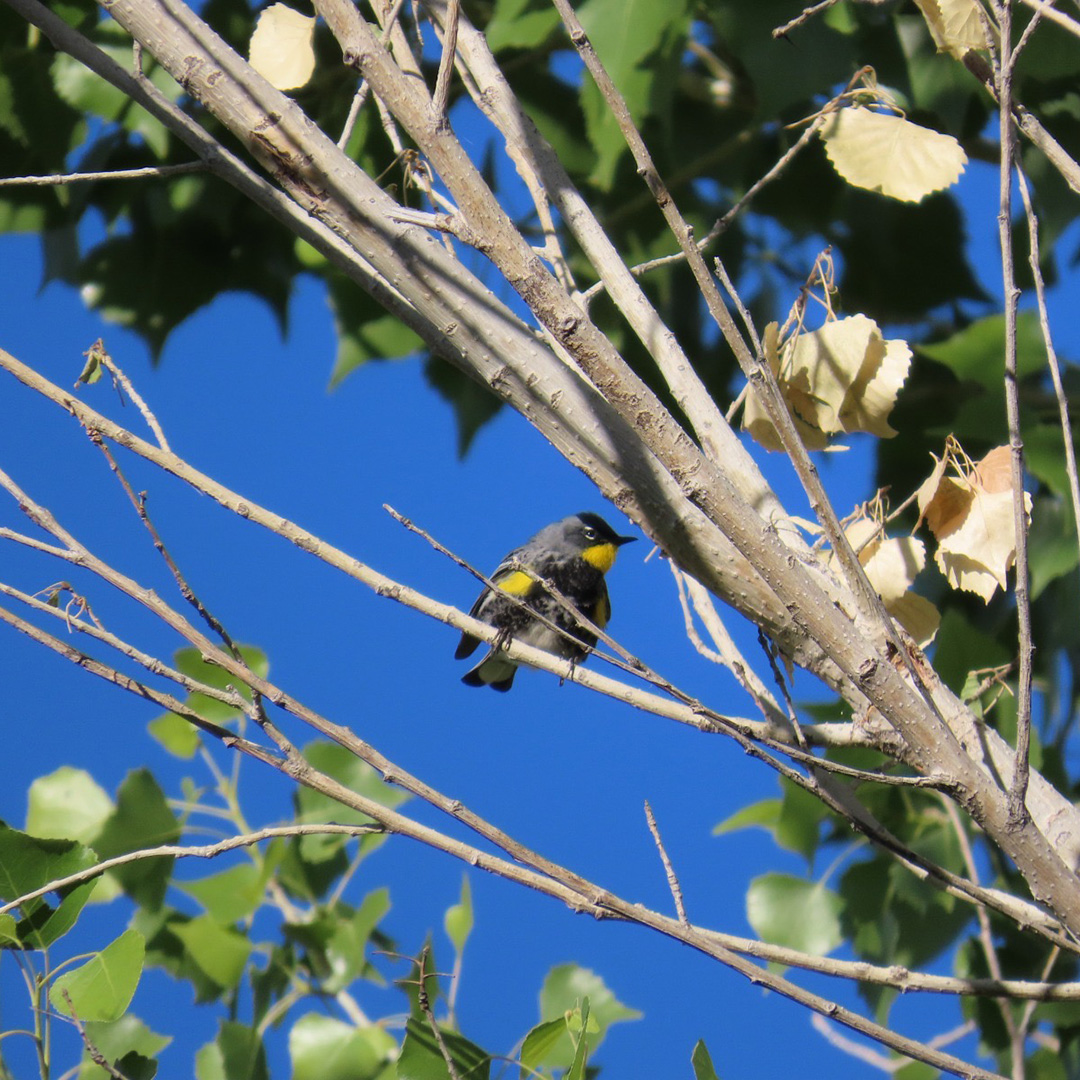
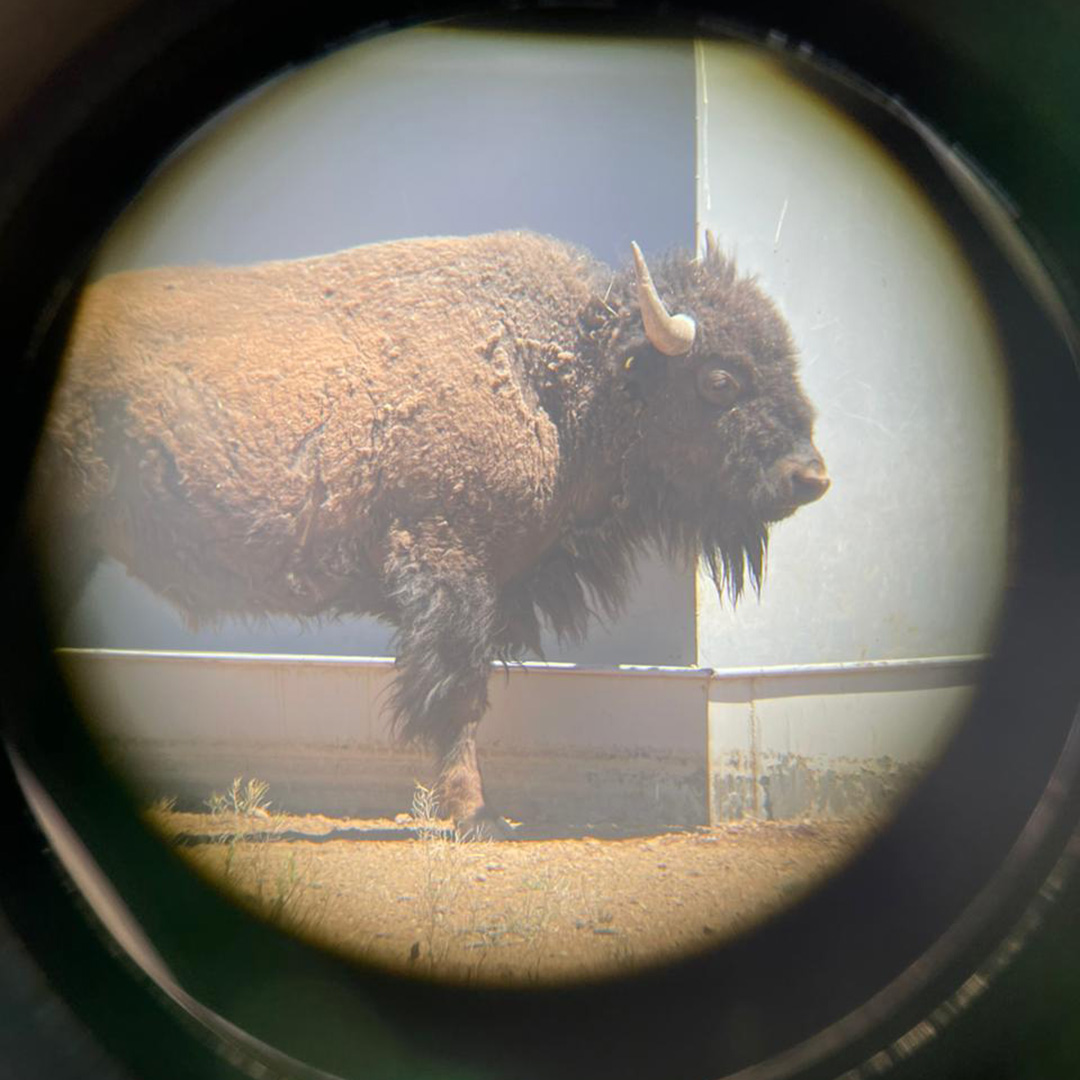
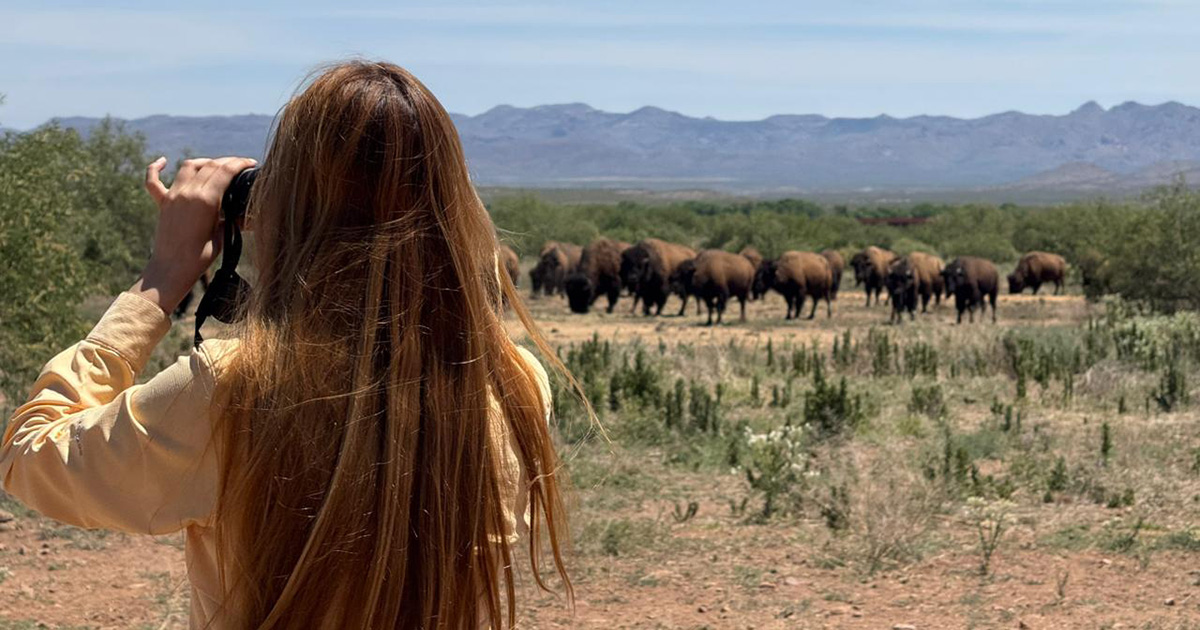
The following day we woke up early to be out of the house by 6 a.m. and start observing species. At first we focused on identifying birds, then we set off on a long hike until we reached a stream that marked the end of our journey that morning. Full of excitement, we headed back to the cars to go see the bison. Upon arriving, we kept a good distance from them and used our binoculars to admire these enormous animals in their natural habitat, happy and free. It was a thrilling moment: suddenly all the fatigue we felt from the hike disappeared. We were filled with energy.
Javier, the person in charge of caring for the bison at Cuenca Los Ojos, told us about these fantastic animals, emphasizing their importance as ecosystem engineers and how they physically transform the environment, creating living conditions for other species: by grazing, they promote plant diversity, their hoofprints aerate the soil, and their wallowing creates depressions in the ground known as “microbasins,” which act as small water reservoirs for insects and amphibians. Even their fur, caught on bushes, is used by birds to insulate their nests. In the food web as well, bison act as a central piece that activates life at multiple levels.
That same day, after resting, we had a carne asada that was the perfect moment for bonding as a group. Between games, music, and laughter, we had a lovely afternoon until the sun went down and we went out to look for scorpions with UV flashlights, before heading back to rest for the night.

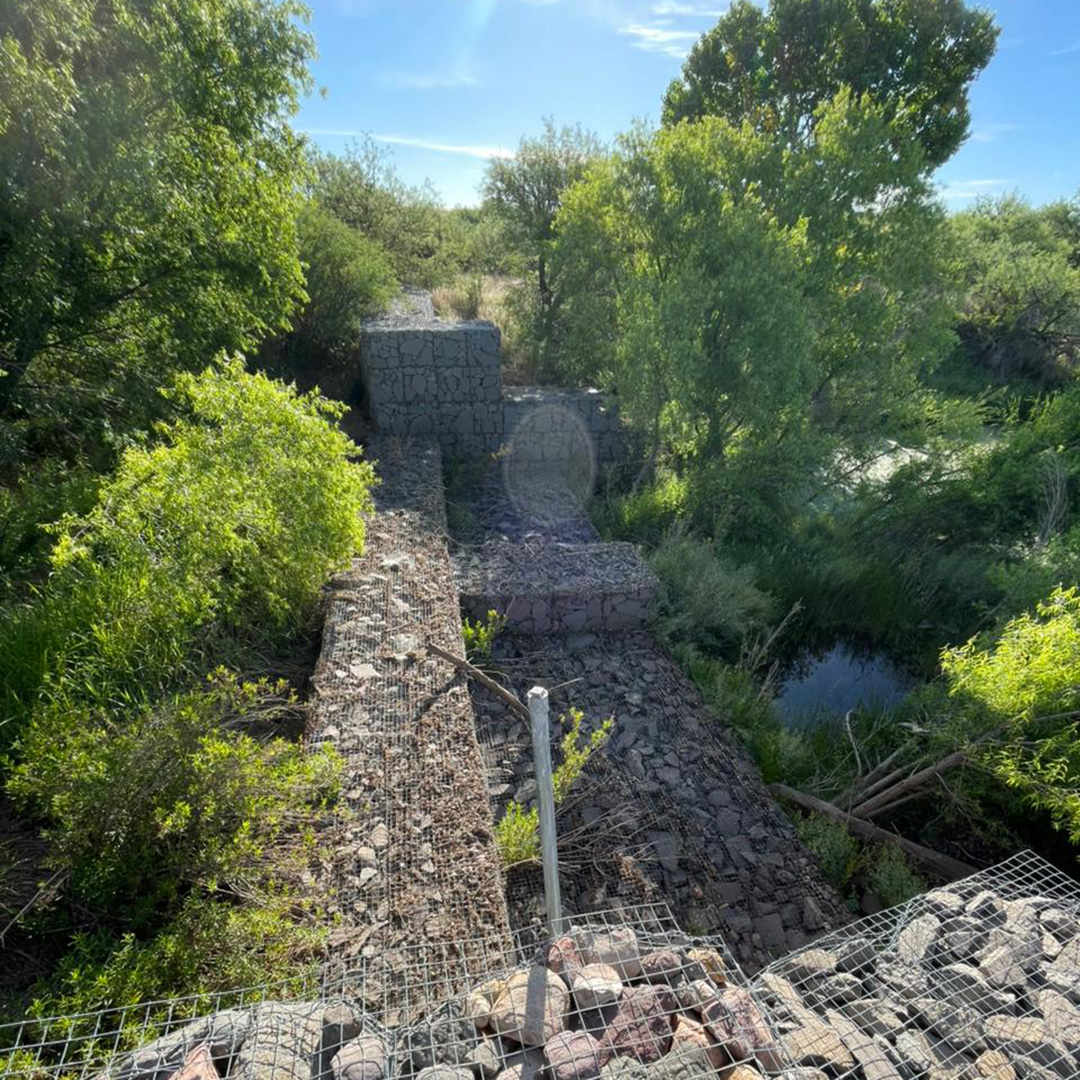
On Saturday morning we split into two groups to take different routes and maximize our encounters with different species. Along the way, we were able to track the footprints of various felines, raccoons, and skunks, and we even spotted a white-tailed deer lying in the grass. After a while, we came across some large gabion structures, which are wire-mesh boxes filled with rocks whose main function is to restore degraded ecosystems, combat soil erosion, and replenish aquifers. The most impressive thing about these structures is that they can transform eroded ravines into functional biological corridors.
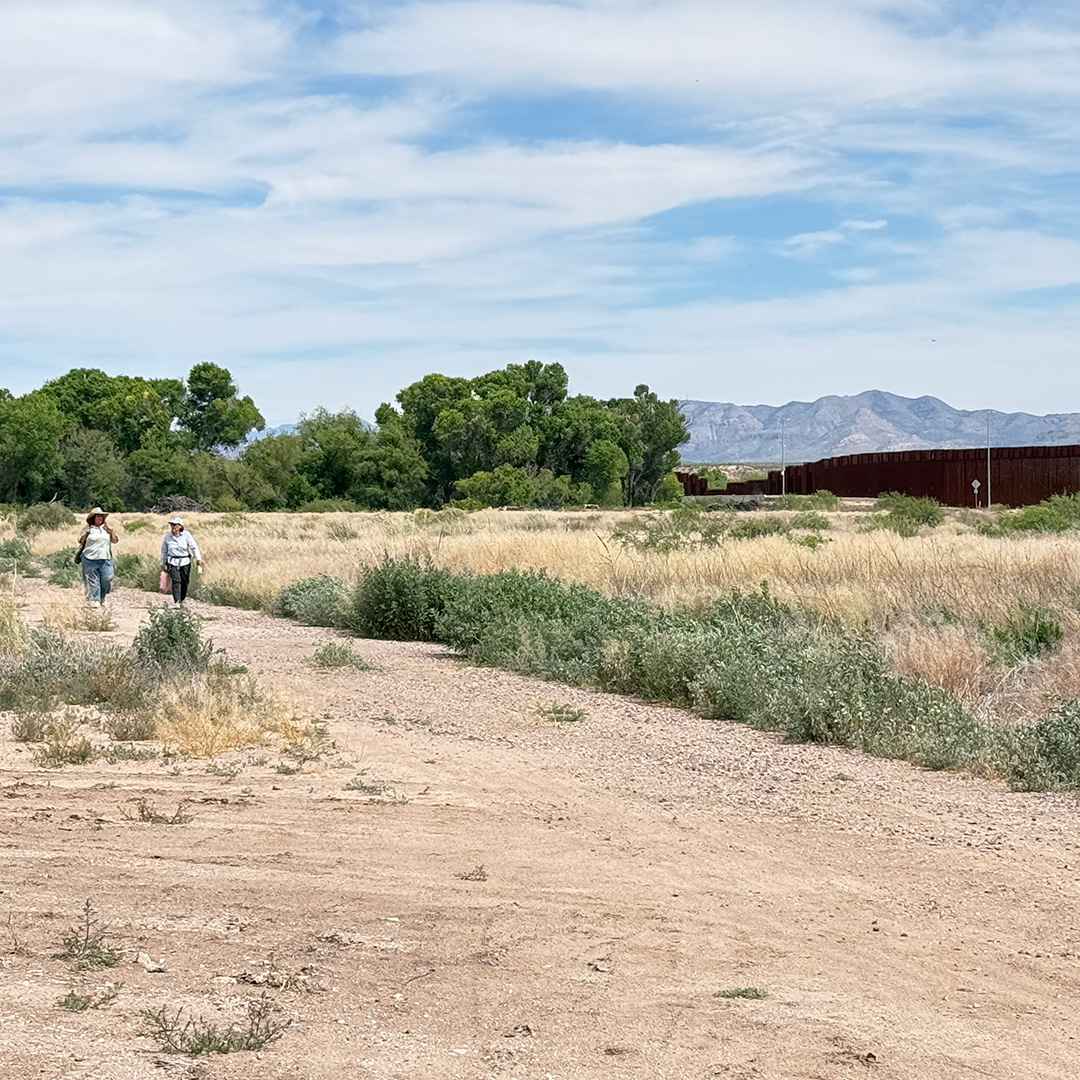
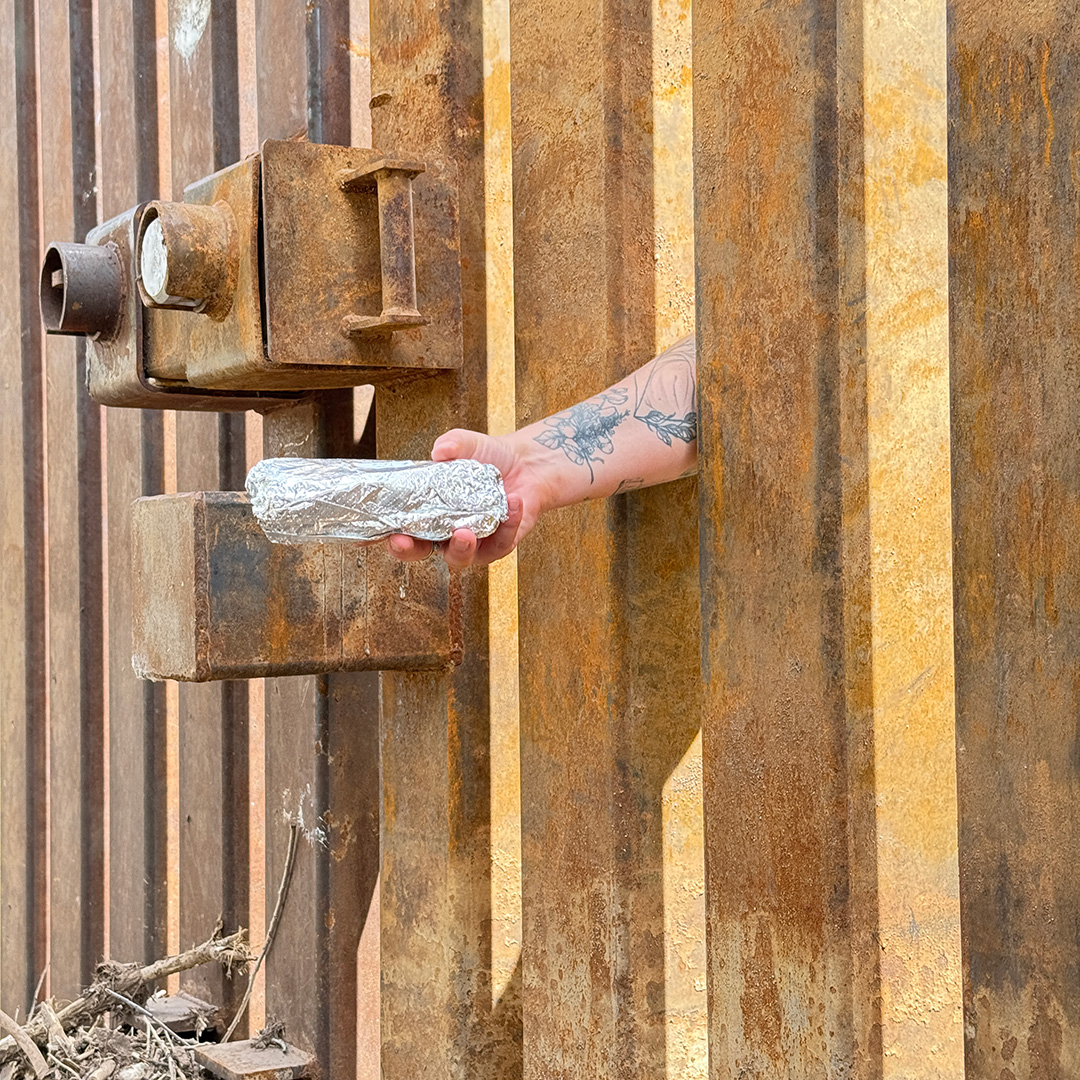
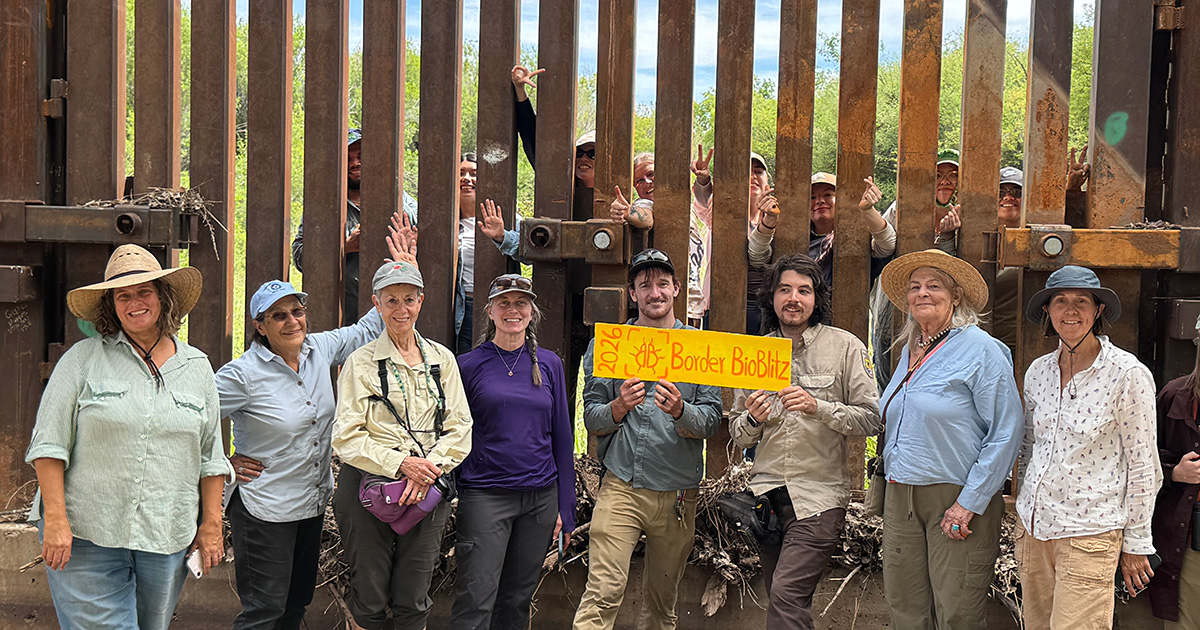
We then had the opportunity to meet at the wall with a group of people from the other side, in Arizona, accompanied by Eamon Harrity from SIA, with whom we spent time together, shared a binational lunch, and talked about our findings from the BioBlitz. It was a hopeful moment that left us all filled with a longing for a future where there is no physical barrier separating us.
We continued our Saturday by logging on iNaturalist all the species we had observed, and afterward we went out to take part in an activity led by Miguel from SIA, which consisted of drawing and painting something related to the trip. That moment was filled with silence, concentration, and creativity. Amid laughter and paint smudges, we all finished our little works of art with pride.
To wrap up, that evening we watched the documentary “Borderlands Jaguar” by Fin & Fur Films. Personally, I can say that the room filled with a range of emotions — confusion, joy, anger, hope. It was a remarkable documentary that emotionally moved us and made us feel as if we were at Sonora’s Northern Jaguar Reserve.
The following morning, with full hearts and peaceful minds, we packed our things, had breakfast, and played a fun game to share one last laugh together before everyone set off on the journey home. I have nothing more to say other than many thanks to Sky Island Alliance and Cuenca Los Ojos for making this such a special experience for me.