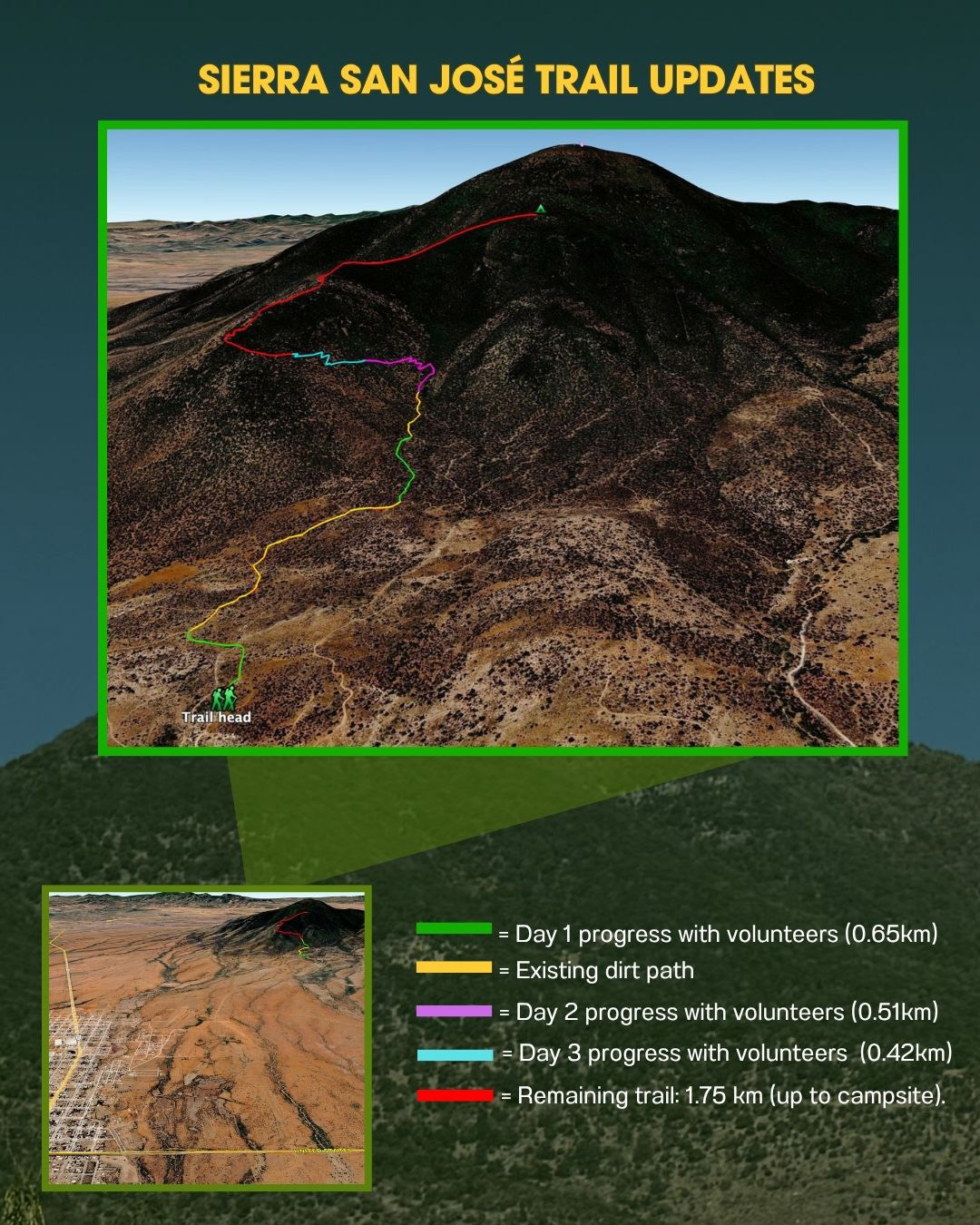
During our recent trail-building days in the Sierra San José, in Ejido Naco, Sonora, we’ve made significant progress thanks to the collaborative efforts of volunteers and the local community. Over three Saturdays in April, we completed more than 1.5 km of trail and incorporated existing path segments. So far we’ve gained 330 m in elevation (starting at 1,570 m and now reaching 1,900 m). This effort will continue through future volunteer opportunities and staff work days. We still have 1.75 km of trail to go and another 330 m of elevation to gain before reaching the campsite area, which is our goal.
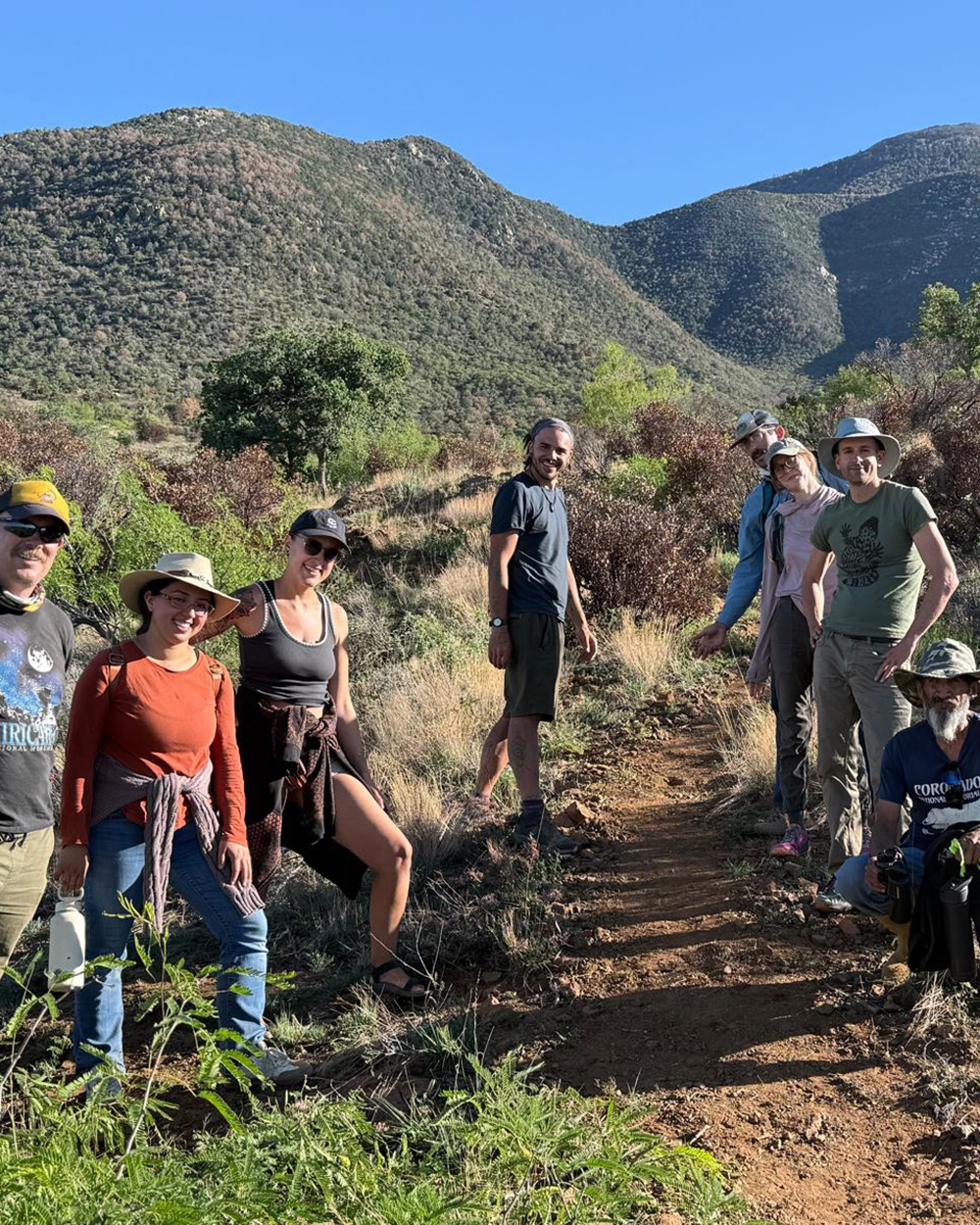
Each volunteer opportunity became not only a collective physical effort, but also a chance to observe, learn, and document the natural richness of the Sierra San José. Among the participants, one of our Arizona volunteers, Ian McFaul, took the opportunity to make the first iNaturalist observations of flora and fauna on the north face of Sierra San José, identifying the species that inhabit this beautiful sky island. Below, we share his account of this project and our commitment, together with Ejido Naco, to designate the Sierra San José as a Voluntary Conservation Area.
Account From Ian McFaul — Sky Island Alliance Volunteer
On April 11, I joined Zach Palma from Sky Island Alliance and other volunteers in Naco, Sonora, the border town just south of Bisbee, Arizona. After a short car ride, we drove and then hiked to the northern slope of the nearest sky island, Sierra San José, to help build a community trail in collaboration with the ejidatarios who own the land.
It was a very heartwarming experience for me to be part of this work. First, the ejido structure and collective management is very different from what we have now in the U.S. (especially in this political climate), and it’s inspiring to see that both locals and the Mexican federal government are interested in preserving lands and the ecosystem as a Voluntary Conservation Area for the continued, sustainable use and enjoyment of their lands now and for future generations.
Joining on this trail-building day was extra special for me as the northern slope was not previously cataloged on iNaturalist. While we built the trail, I also photographed every form of life I saw. Simply by being there with my cell phone, I was able to document a list of at least 100 species for Sky Island Alliance and the ejido. Each of my 155 observations was a new record for the area.
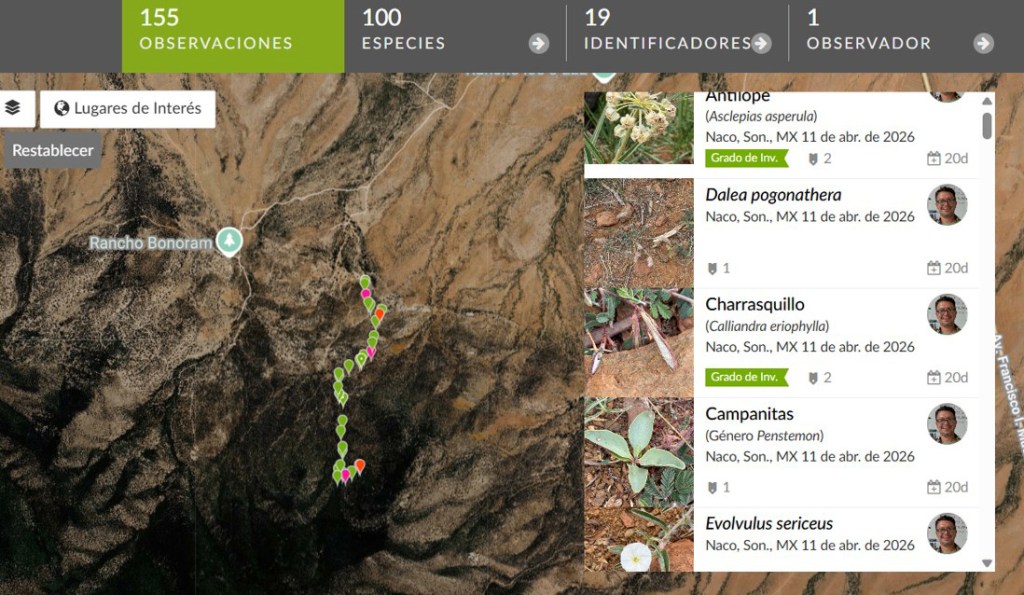
An amateur botanist, I often see plants first, and the Sky Islands of México and the southwestern U.S. are world-renowned for their biodiversity. Xeric species and influences from the drier desert valley floor intermingle with higher, mesic species like oaks, pines, and even aspens.
Some highlights for me from the day include observing:
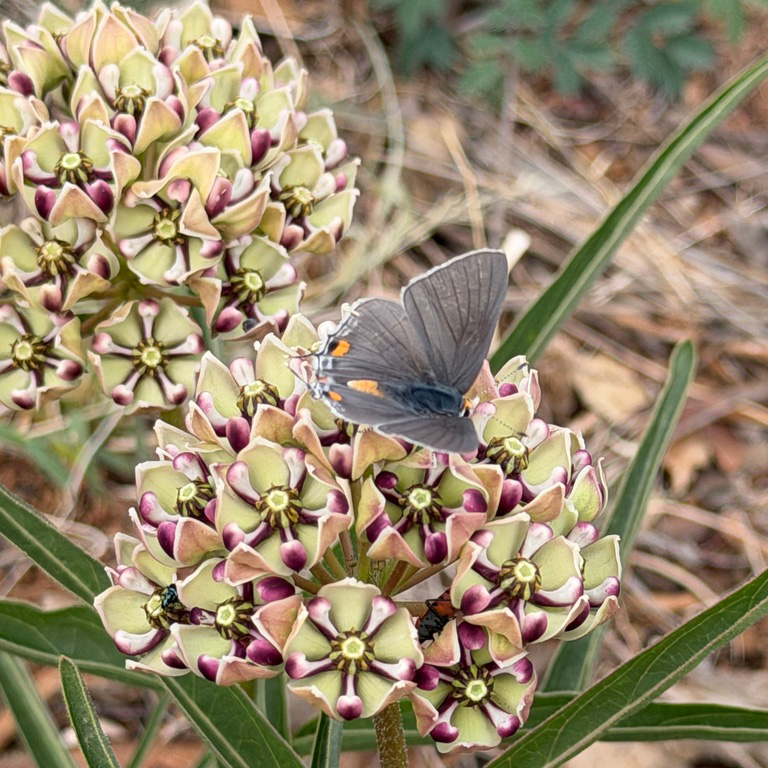
Antelopehorn milkweed (Asclepias asperula)
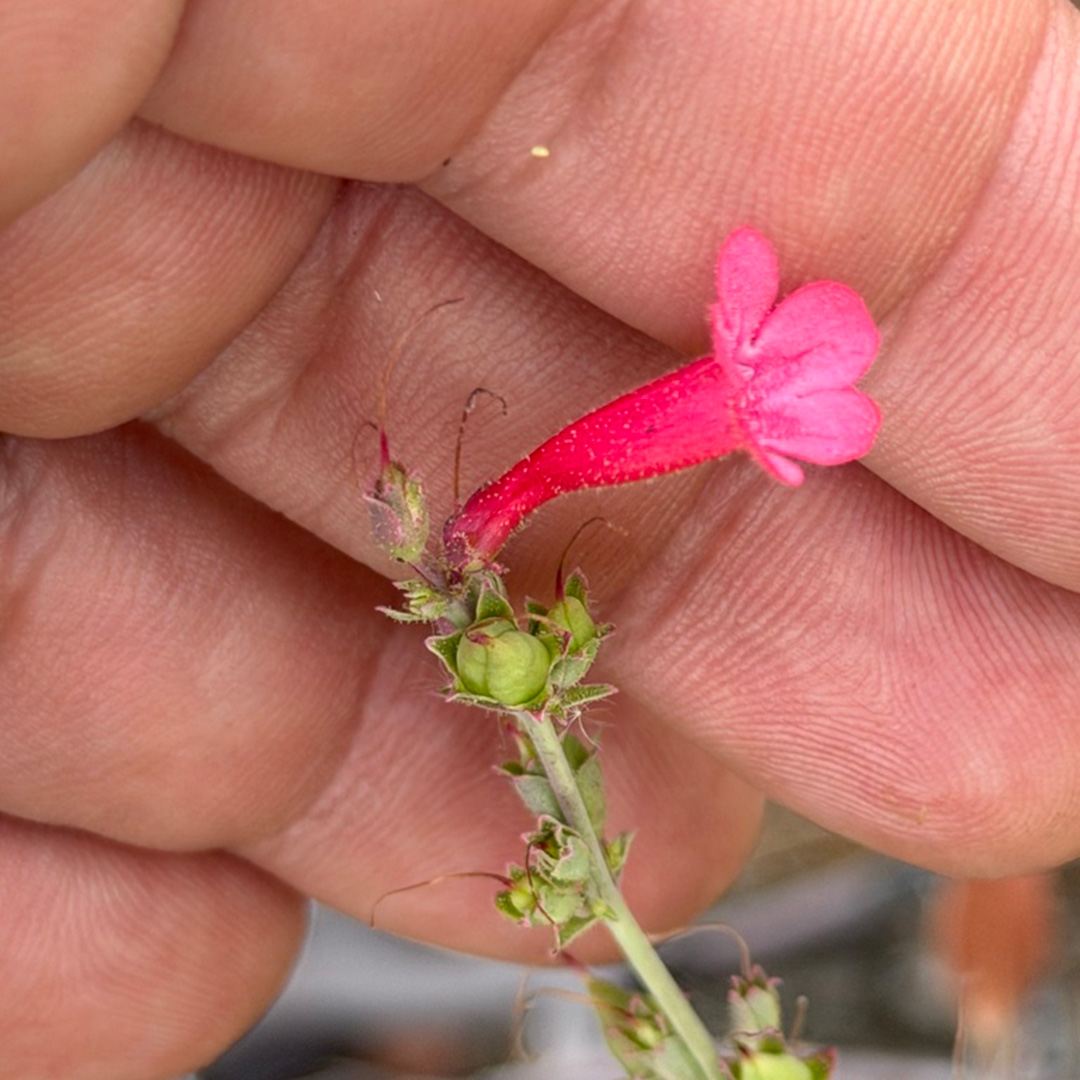
A Penstemon species that might be a natural hybrid.
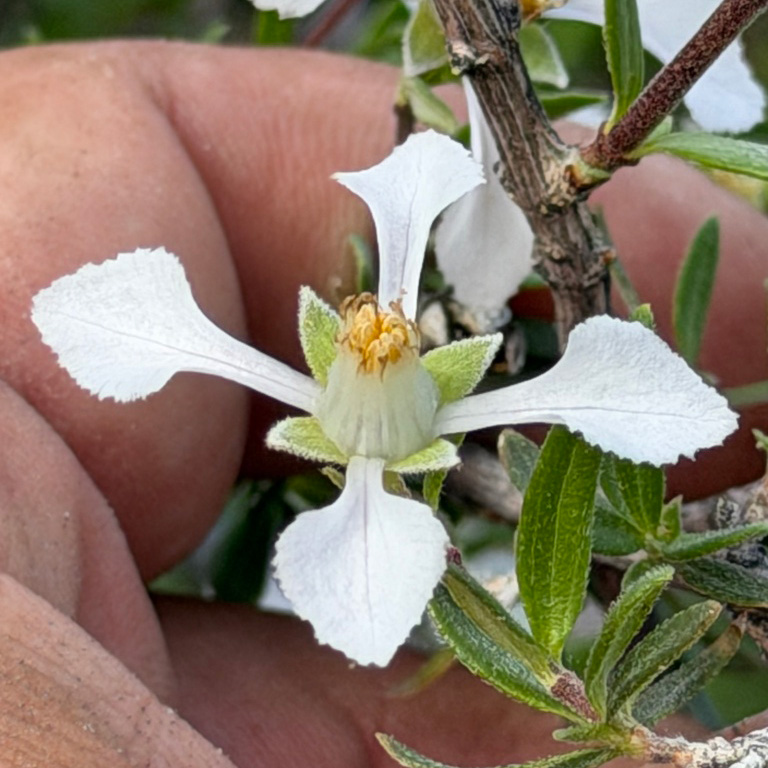
Cliff fendlerbush (Fendlera rupicola)
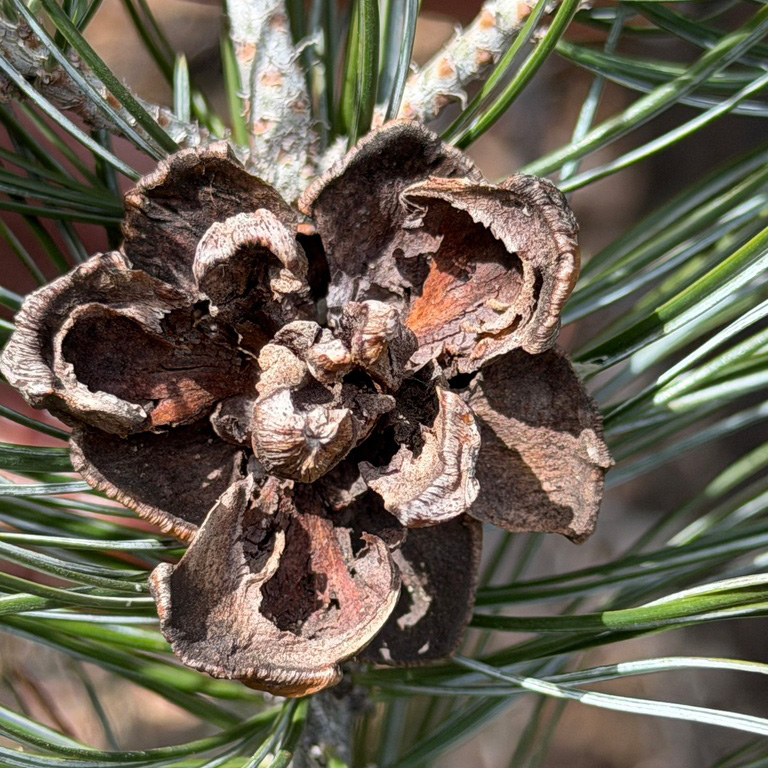
Mexican pine (Pinus discolor)
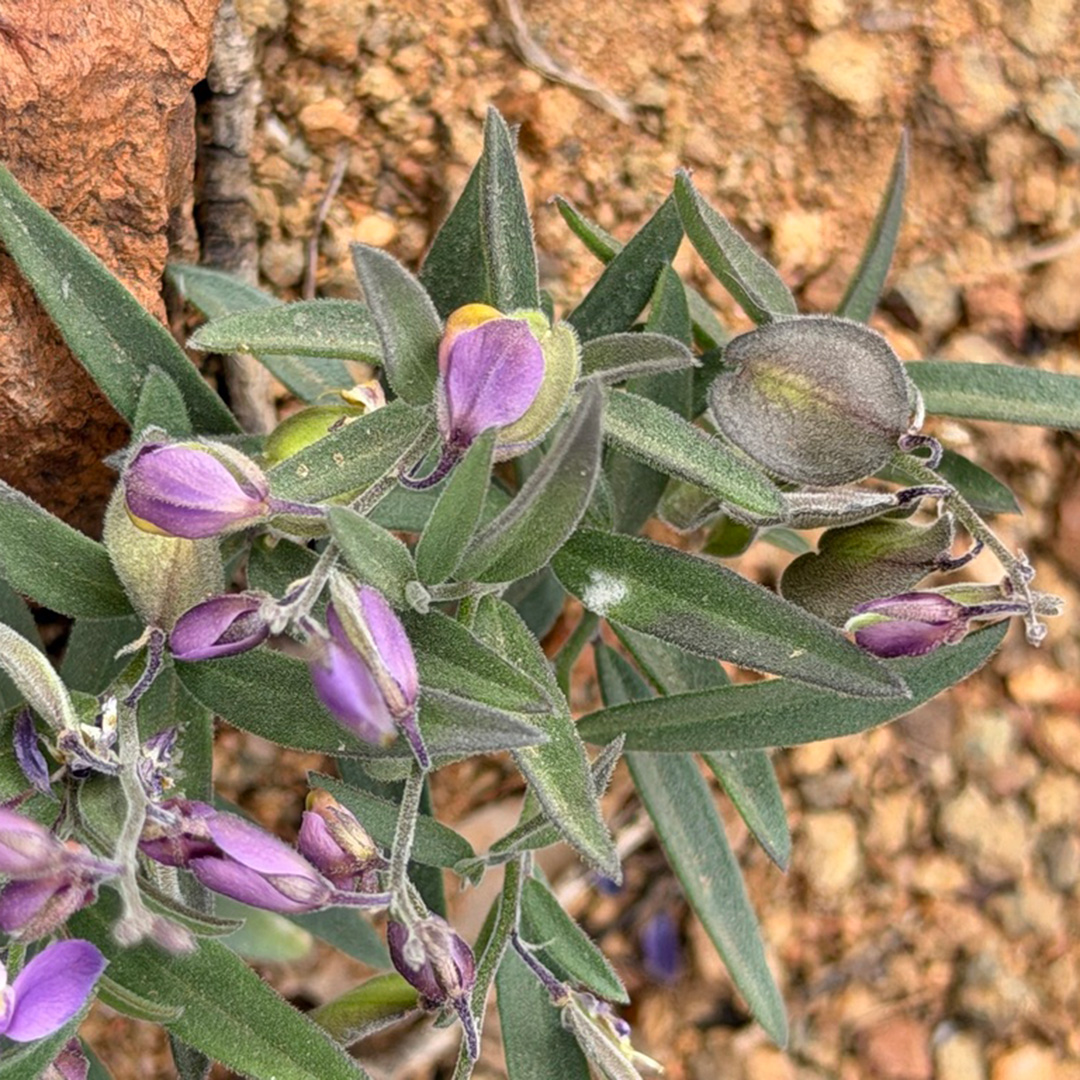
Velvetseed milkwort (Hebecarpa obscura)
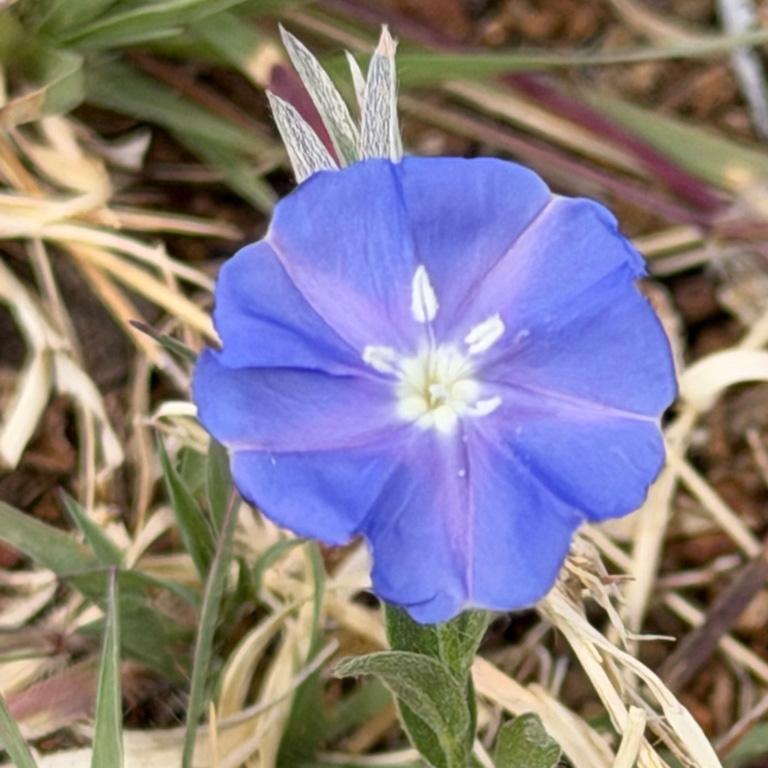
Arizona blue-eyes (Evolvulus arizonicus)
There are so many other plants (not to mention fauna) to see there, and I encourage you to volunteer with Sky Island Alliance and bring your camera or phone to record species on both sides of the border.