


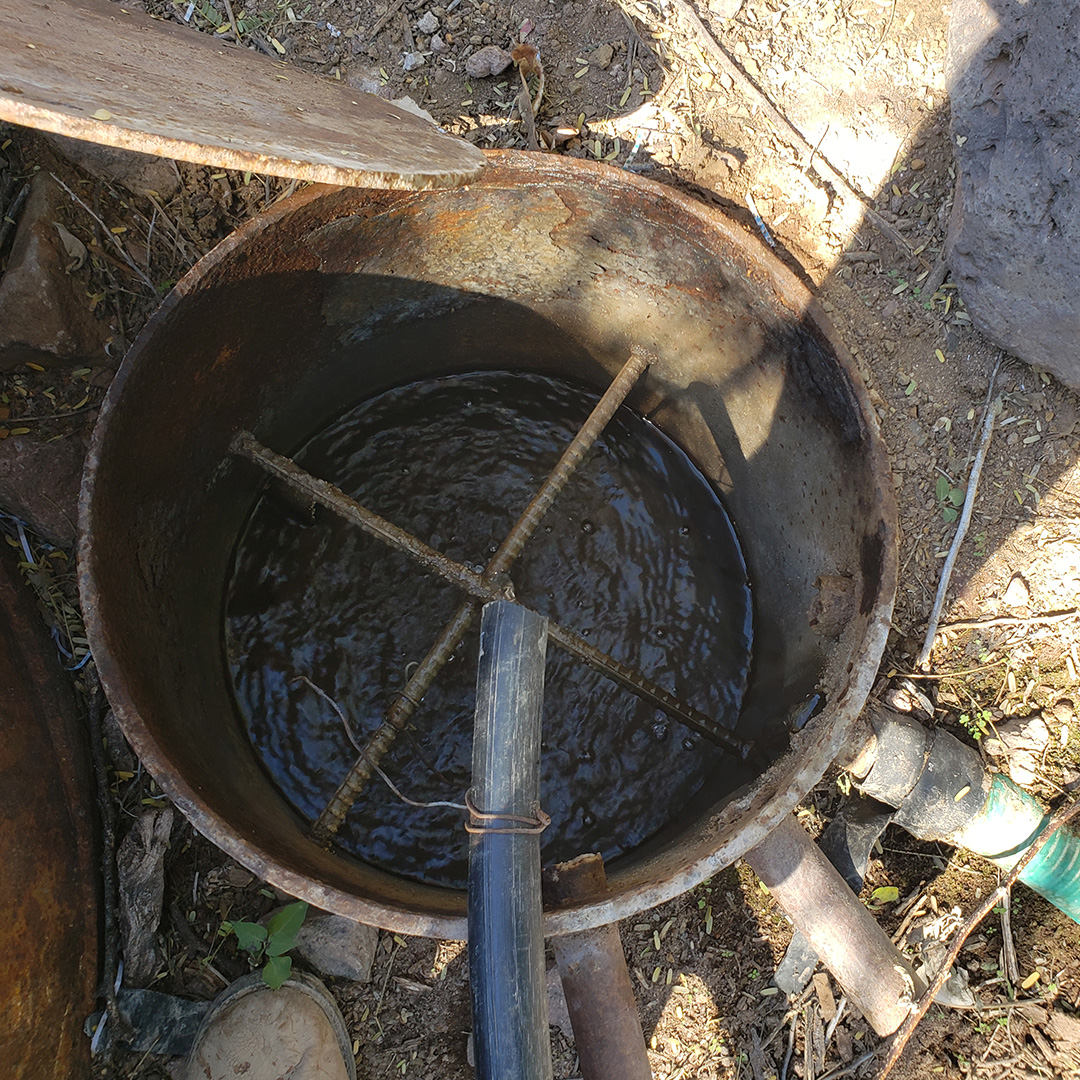
During a recent visit to the “El Aguajito” ranch near Bacoachi and the Sonora River, I realized that much of the region is still facing consequences of drought. The lack of moisture was evident and reflected in the landscape; the Sky Islands here looked vulnerable and parched.
Our mission in visiting this ranch was to continue with the Spring Seeker project, conducting surveys and evaluating the area’s springs. Something that always excites me when finding springs is that, despite the general drought facing the region, the contrast between the dry surrounding landscape and these water sources is very noticeable. The areas are much greener, and the vegetation nearby is denser and more diverse, with plants that thrive with the moisture. They are literally refuges, oases of life. The soil, unlike the rest of the terrain, feels alive. This makes me understand the importance of the work we do and motivates me to keep fighting to conserve these natural resources and encourage the community to make sustainable use of them.
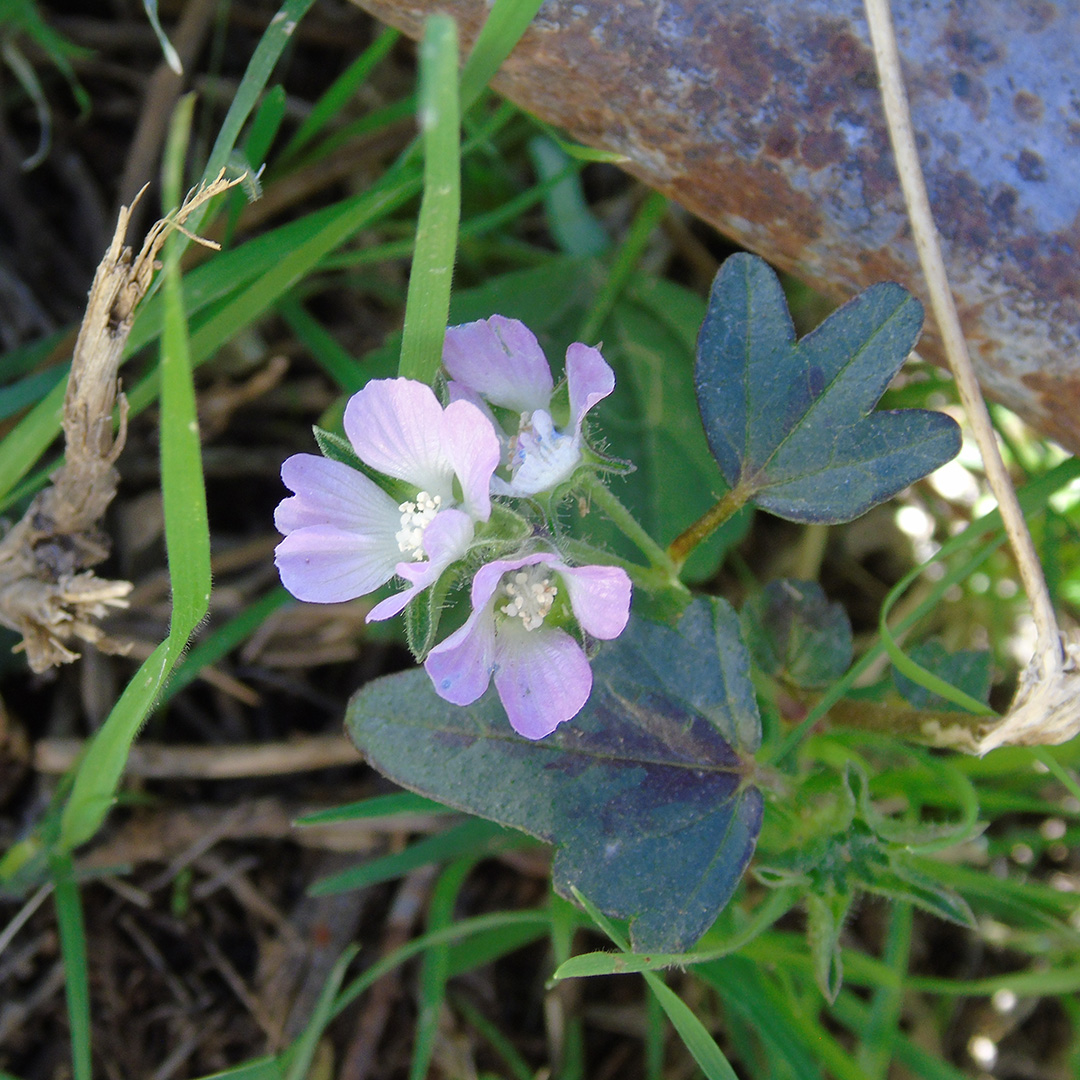
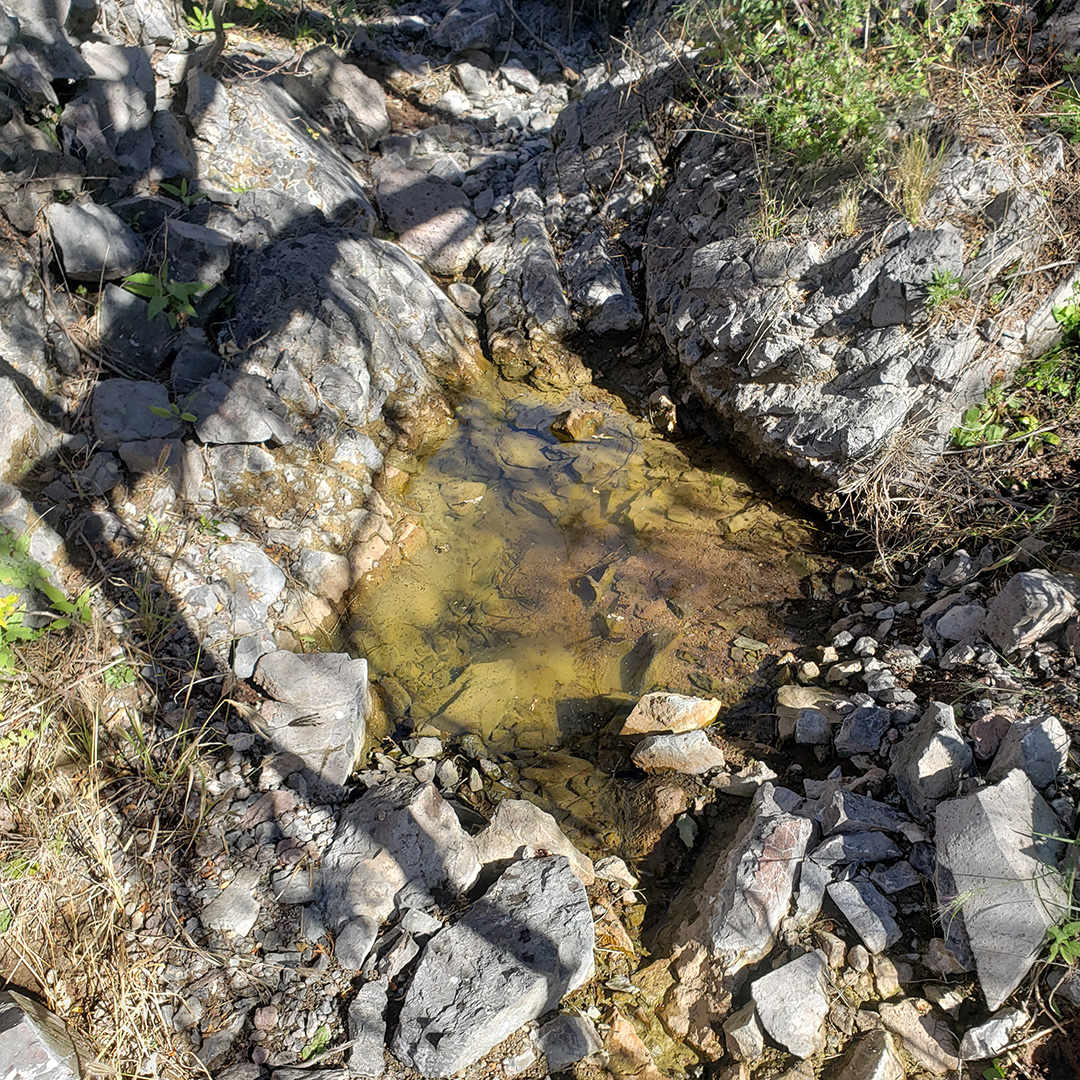

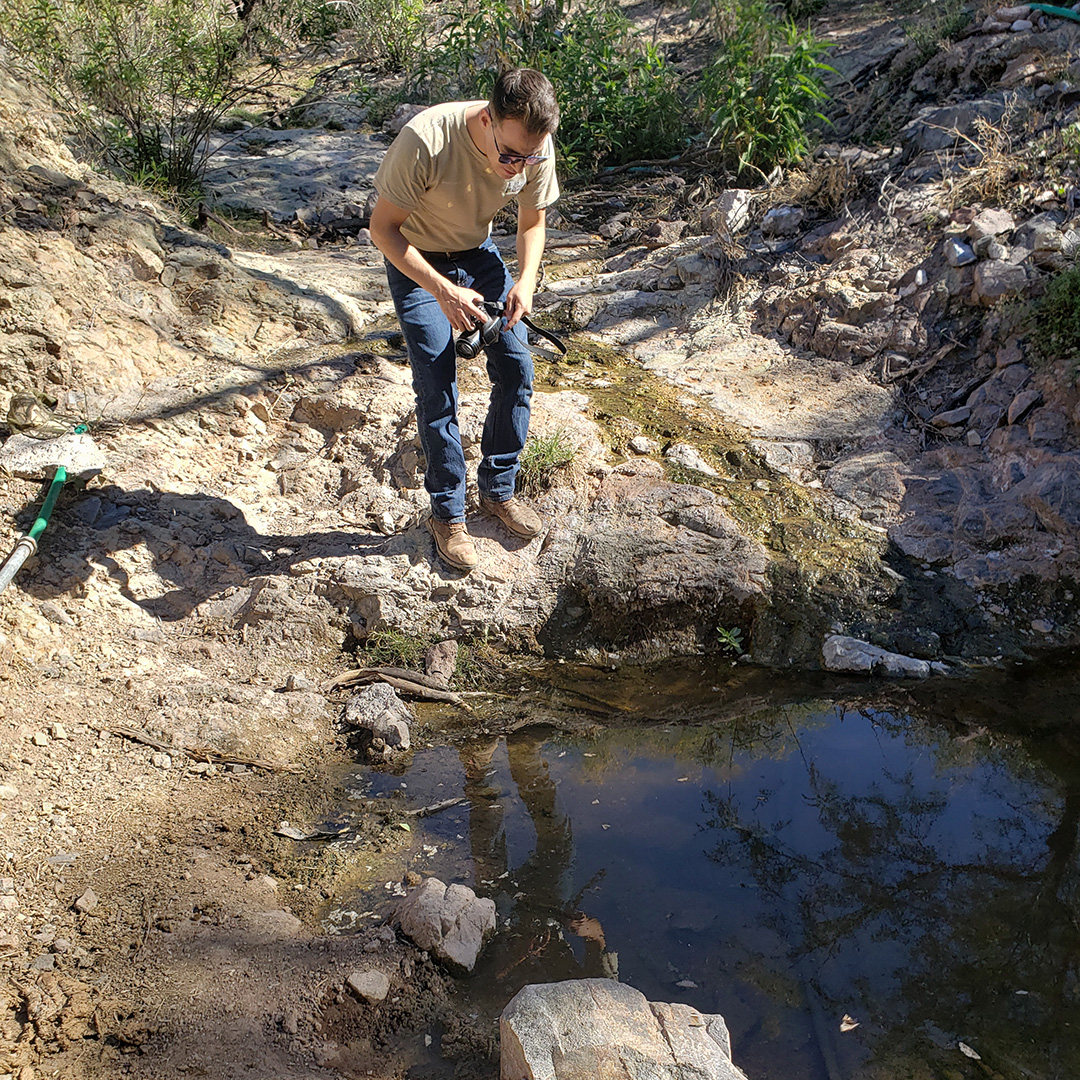
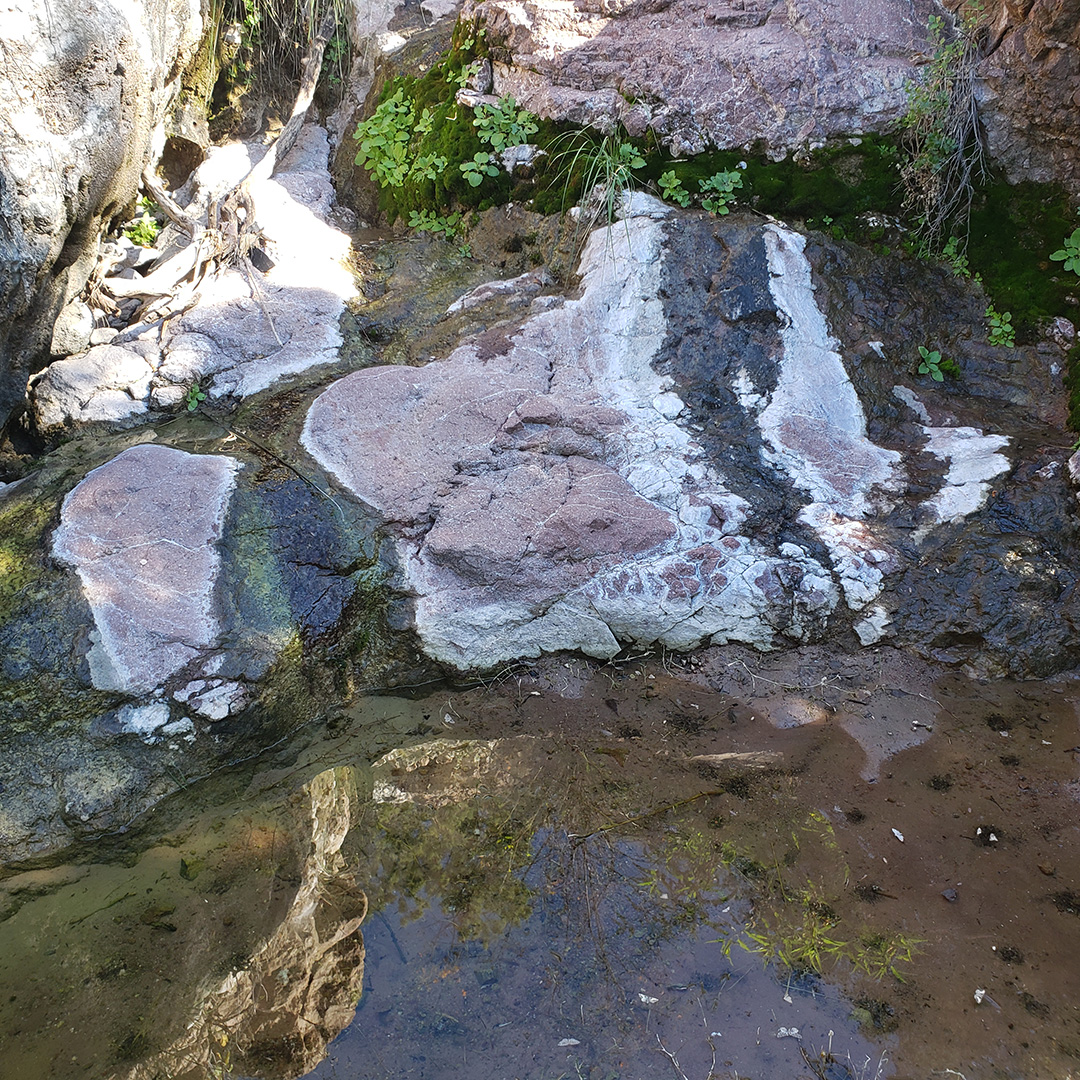
Beyond their ecological importance, the springs at this ranch are the main water source for the troughs and drinking stations used by the ranch’s livestock. This underscores the great dependence we have on springs for life and the economy in our region, where rains are increasingly unpredictable and rivers can stop flowing suddenly. In these difficult times, springs continue providing the water that supports wildlife, and in this case they allow the ranch to keep operating.
This is a situation that repeats itself and is experienced on most properties in the region, and the presence of a spring could mark the difference between land that endures and land that collapses. For this and many other reasons, it’s important to protect these water sources, because when a spring degrades or disappears, it’s not only water that is lost — economic stability, biodiversity, and resilience to climate change are lost as well.
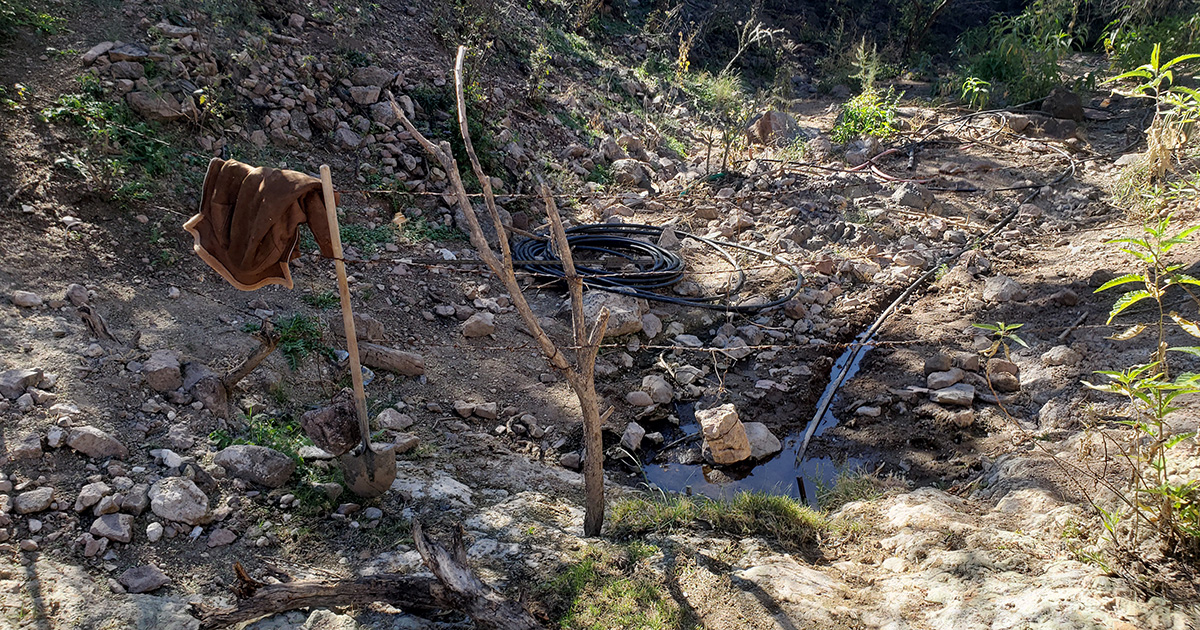
Despite their importance, the springs at this ranch and many others in the region don’t have adequate protection. Interestingly, the more a ranch depends on a spring, the more vulnerable it becomes if not managed properly. Overexploitation can reduce a spring’s flow, and direct livestock access generates disturbances such as soil compaction, vegetation loss, and water contamination. These impacts aren’t always intentional. In many cases they result from a lack of alternatives, information, or resources to help landowners protect these water sources and learn to use them without affecting wildlife and ranching activity.
Recognizing their value and beginning to take small actions for better management is the first step to ensuring that springs continue sustaining life. Protecting them does not mean stopping their use, but rather changing the way we use them.
To learn more about ways you can conserve these water sources, check out this