We made it through the wild ride that was 2025 and find ourselves looking ahead as Sky Island winter settles around us. This year is already off to a different start with winter rains giving life to many ecosystems that last year were strained from lack of rainfall. Better rainfall means it is easier to do work restoring soil and planting this season, yet the work is even more urgent with invasive plants also surging and border wall construction moving forward at a rapid pace. In the months ahead, we will continue our major projects to protect the diversity of life and lands across the region with your help. Below is a sneak peek at what we are focusing on, and we hope to see you out in the Sky Islands with us!
Water

Springs across the region are the most reliable sources of perennial water around for wildlife, plants, and people. This year we are expanding our efforts to document the condition of springs and identify the highest priority springs in need of our immediate restoration and protection work. Our staff will assess and inventory 50 spring and riparian areas in partnership with the Bureau of Land Management, and we’ll lead volunteers to continue Spring Seeker surveys in both the U.S. and Mexico. Through this survey work, we plan to identify more than 100 springs for action in our conservation program. Check our
Plants
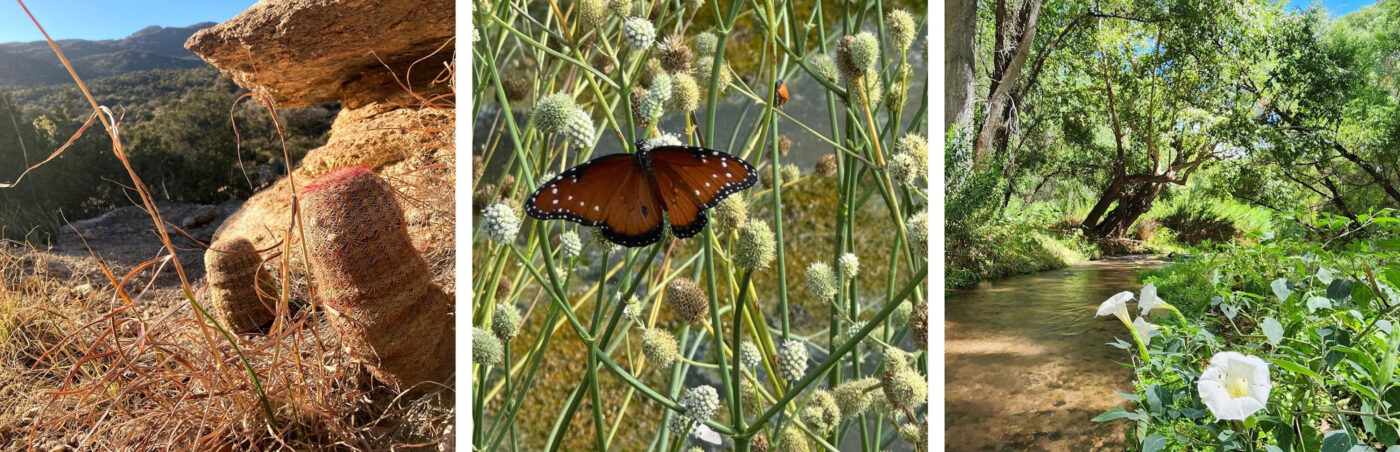
At every elevation in the Sky Islands, remarkable plants define the ecosystems we work to protect. This year, we are partnering with Saguaro National Park to conduct rare plant surveys in the Rincon Mountains and expand our native plant conservation and restoration strategies across the landscape. We will continue to remove invasive plant species from spring sites and along Aravaipa Creek to make space for native plants recovery. Check out our events calendar to watch for invasive plant removal workdays and volunteer to help.
Wildlife
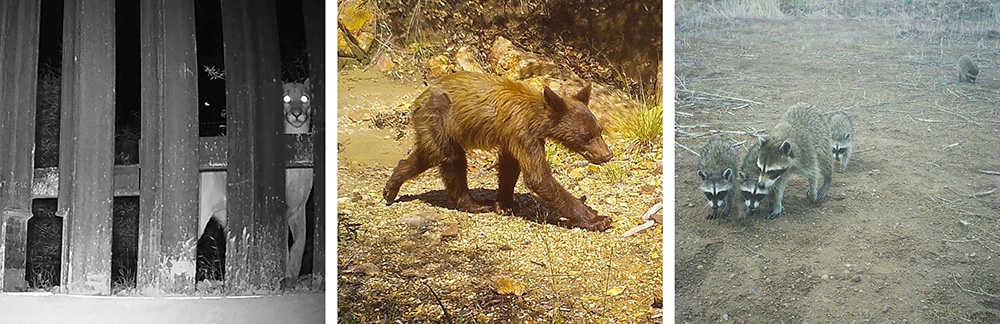
Wildlife cameras will continue to be a key part of how we learn about the habitats and corridors that Sky Island species depend on the most. Through our Border Wildlife Study, we will keep close watch of wildlife movement along both sides of the U.S.-Mexico border. Our data and recommendations to make the border wall less harmful will go to Border Patrol and land managers to address the unprecedented habitat fragmentation event ongoing at the continental scale. We also aspire to expand our FotoFauna network further into communities on both sides of the border to raise awareness about local wildlife species and inform place-based wildlife management strategies on private and public lands.
Conservation
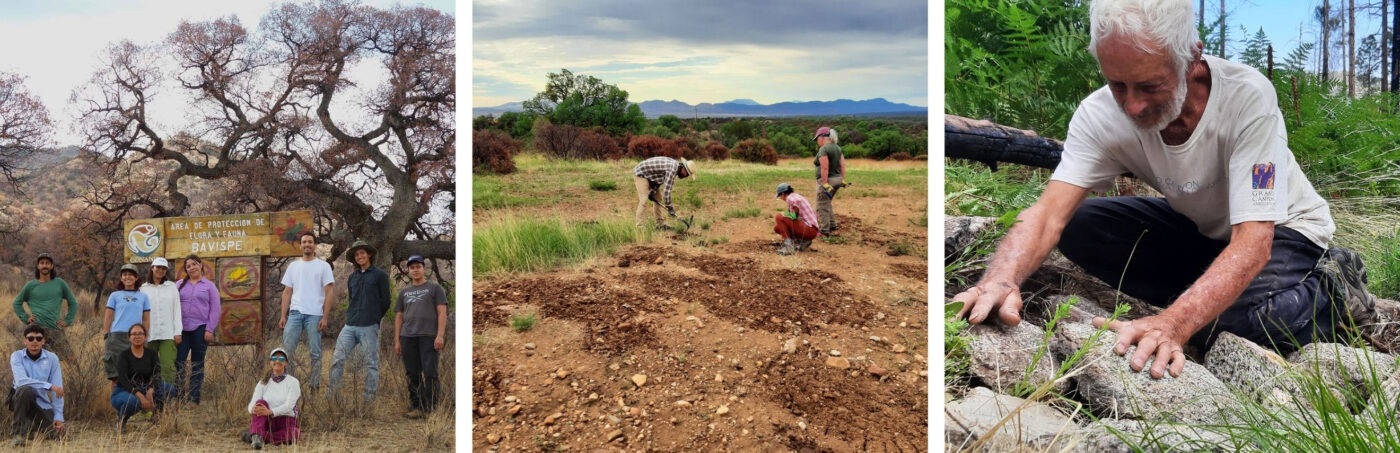
We will continue working to heal the land in community on both sides of the border. Together we’ll restore springs, boost regenerative ranching practices, and heal the mountains after fire and years of vehicle and livestock use. We’ll also build erosion-control structures to save soil and rain, protect springs and riparian areas, and recover more patches of habitat. Areas where we’ll be working range from private ranches in northern Sonora around the Area de Protección de Flora y Fauna Bavispe to Coronado National Forest, Arizona State Parks, San Pedro Riparian National Conservation Area, and private lands in Arizona. Learn more about our regional conservation projects.
Community
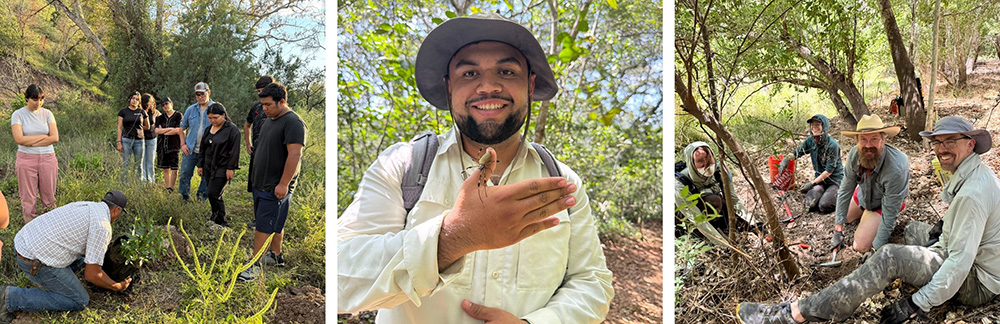
Conservation is up to us, and it is through our alliance of volunteers, supporters, partners, and communities in Mexico and the U.S. that we are able to work together to create a positive future for the Sky Islands. We welcome you to join us for a volunteer workday, attend a webinar or in-person class on Sky Island science, and join our call to decision-makers to protect the Sky Islands in both countries. Thank you for being part of our alliance. With your support, we know we’ll accomplish great things in 2026.