
In recent years, ranchers and ejido members in Sonora have faced serious challenges due to water scarcity, which has severely affected their ranches and made cattle raising difficult, causing loss of vegetation and soil productivity.
Each year, the rainy season is awaited with the hope that it’ll help reduce the drought, but this problem will continue if the root causes aren’t addressed. After all, what good does it do if it rains a lot if the land isn’t prepared to retain water? It’s useless if each year the land becomes more degraded.


In much of Sonora, the loss of vegetation cover and soil fertility is a silent problem that can mostly go unnoticed and be ignored. When soil is degraded and it rains, water runs off quickly, eroding soils and leaving the land infertile and exposed. So, no matter how much rain falls, the scarcity problem will continue when the soil isn’t prepared to capture, distribute, and infiltrate moisture.
On most ranches, soil has been degrading due to overgrazing and poor livestock management, fires or burning of grasslands, use of machinery to scrape the land, creation of poorly located roads, deforestation, and the introduction of invasive species — practices that result in the loss of vegetation cover, leaving the soil vulnerable. Without vegetation cover, each raindrop directly impacts the soil, compacting it and creating a “crust” that prevents water from infiltrating and only causes it to run off the surface, washing away the fertile layer and forming gullies that grow over time. Without organic matter, roots, and microorganisms, the land loses its retention capacity. Thus, even when it rains, the water doesn’t stay where it should — in the ranch’s soil.

For the most part, the response to this problem tends to be the use of costly technologies to drill deeper wells and purchase inputs to sustain cattle raising activities. But these solutions don’t address the root of the problem. The real solution lies in beginning to make better use of the soil and natural resources, in addition to restoration activities that help with regeneration. Living soil, with good structure and plants that protect it, acts as a natural sponge: it absorbs water, retains it, and distributes it slowly. This not only reduces the effects of drought, but also increases the fertility, biodiversity, and productivity of the ranch.
When soil is healthy and full of vegetation, more moisture is retained and it can create cooler microclimates. Also, the rainwater that does fall is better conserved. Everything works together — microorganisms, roots, and organic matter — to create a positive cycle of regeneration.
What can we do to stop soil loss and recover water?
To address this problem, it’s necessary to change our way of seeing the land and all the resources that nature offers us. We must realize that it’s a living system that we must keep healthy so that it doesn’t become depleted and continues producing.
Some practices that can help:
- Rainwater harvesting by creating contour lines and infiltration trenches to retain moisture.
- Soil restoration through regenerative ranching and agriculture practices, as well as reforestation and seed dispersal to recover native vegetation.
- Protection of springs and key areas with exclusion fencing.
- Construction of gabions or rock trenches for water and soil retention in eroded areas.
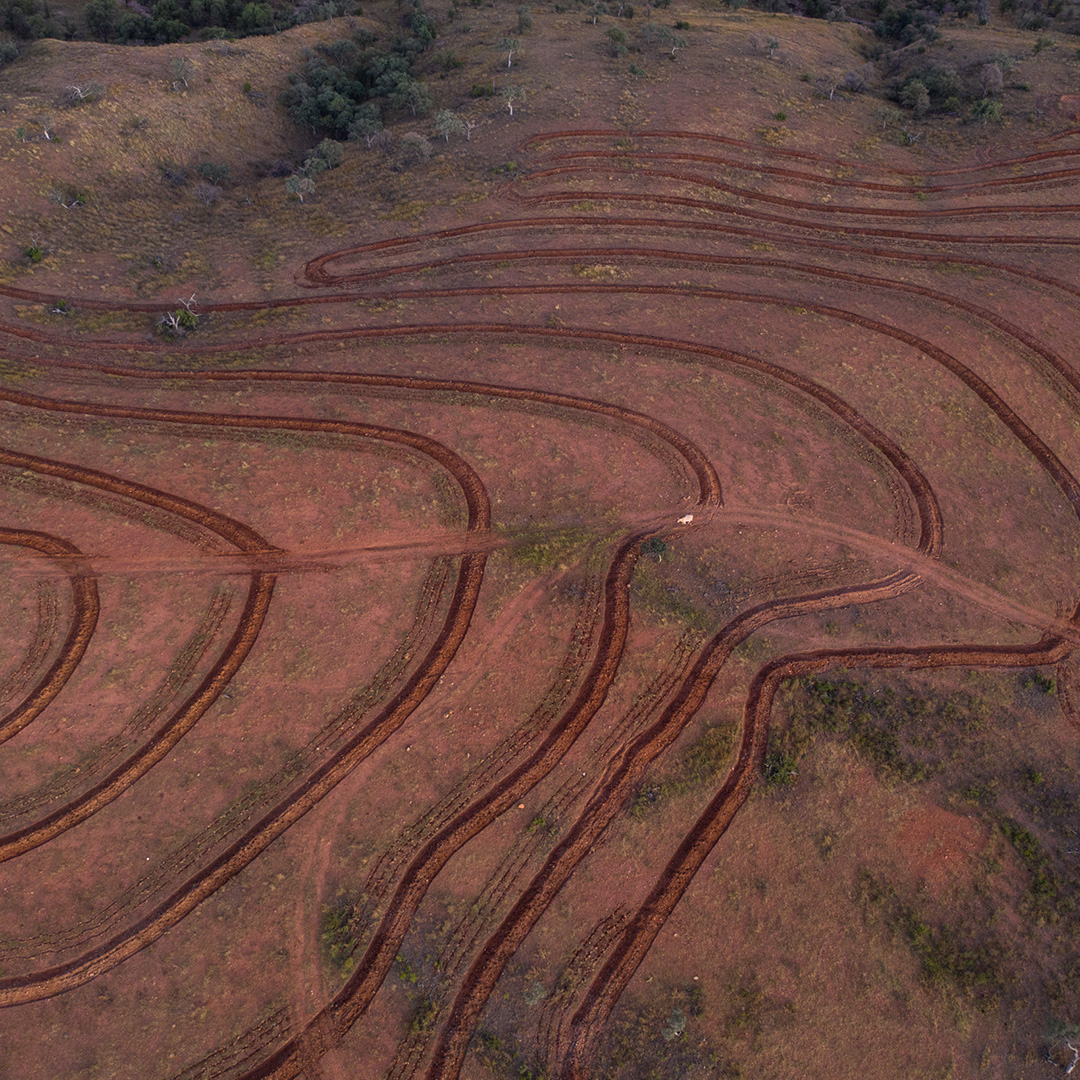


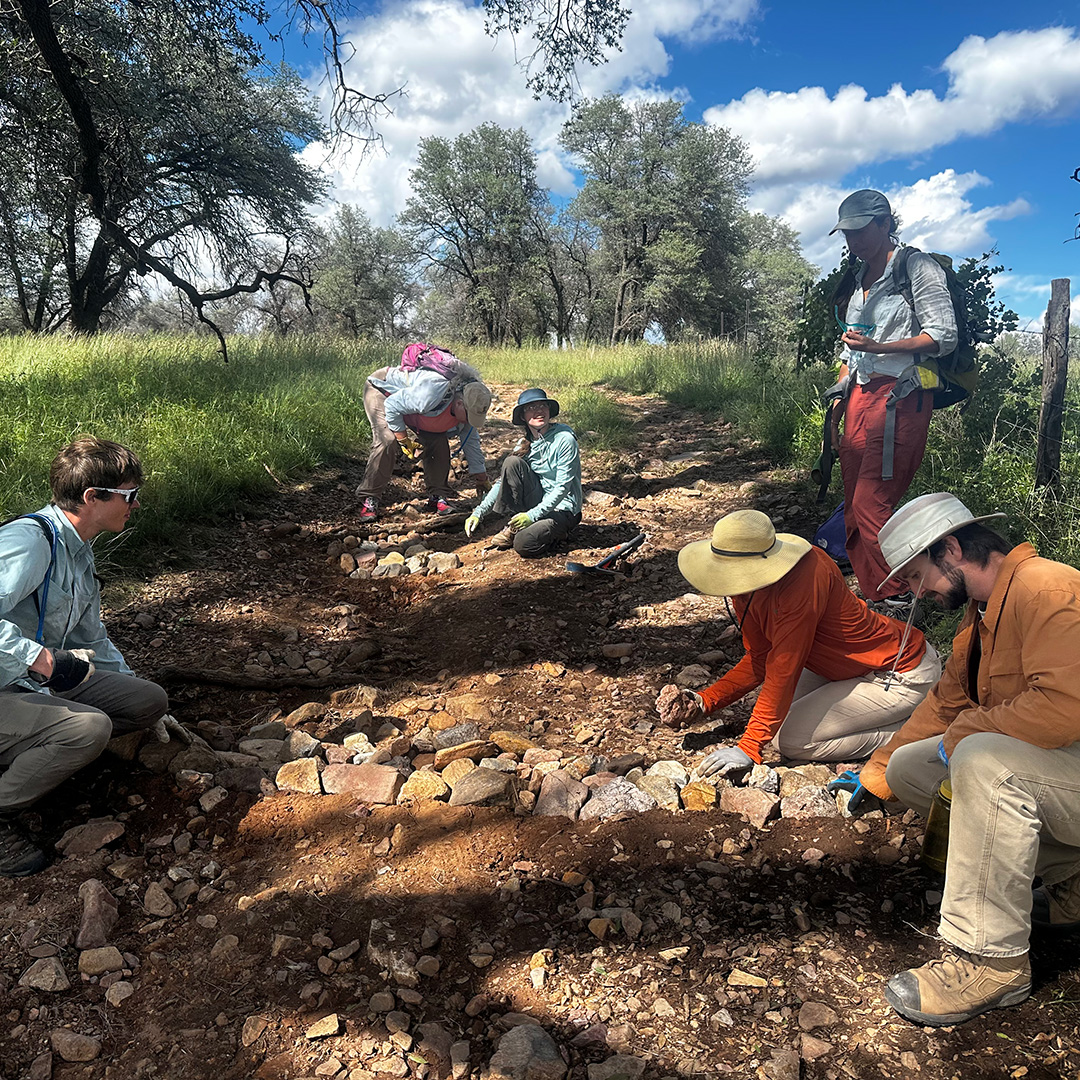
Many practices currently in use have diminished the natural capacity of ranches to absorb and store moisture. But this problem has a solution; regenerating the soil is not only possible but fundamental to ensuring livestock productivity, protecting biodiversity, and guaranteeing a prosperous future. Every rancher who decides to restore their land contributes to a healthier, more resilient ecosystem full of life.