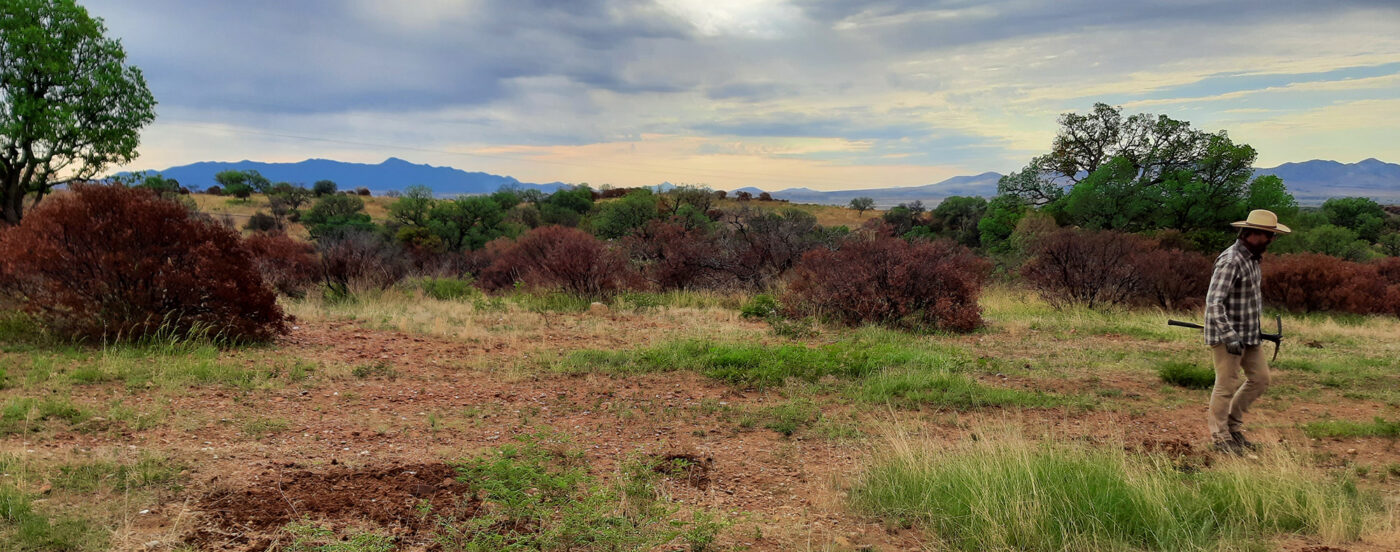
Several years ago, the Coronado National Forest decided to decommission over 160 miles of old roads in the Sierra Vista Ranger District, which includes the Patagonia Mountains, Huachuca Mountains, and San Rafael Valley. In 2023, Sky Island Alliance joined the effort as a partner, and our volunteers began helping to survey these old roads. Then a year ago we began doing restoration work to close some of them. In this blog, I’ll share two updates: first on the status of our surveying and second on our road rewilding work.
Surveying Update
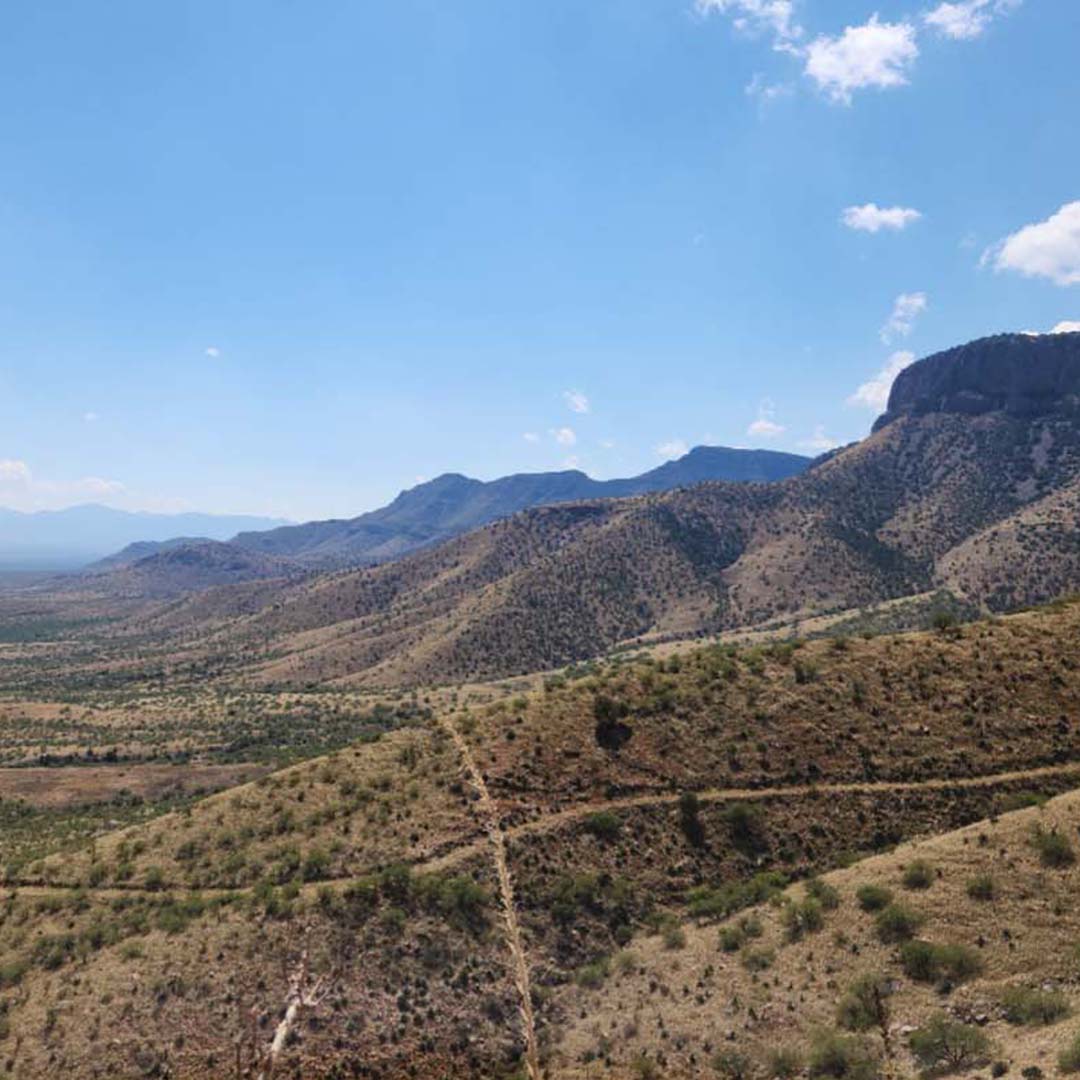
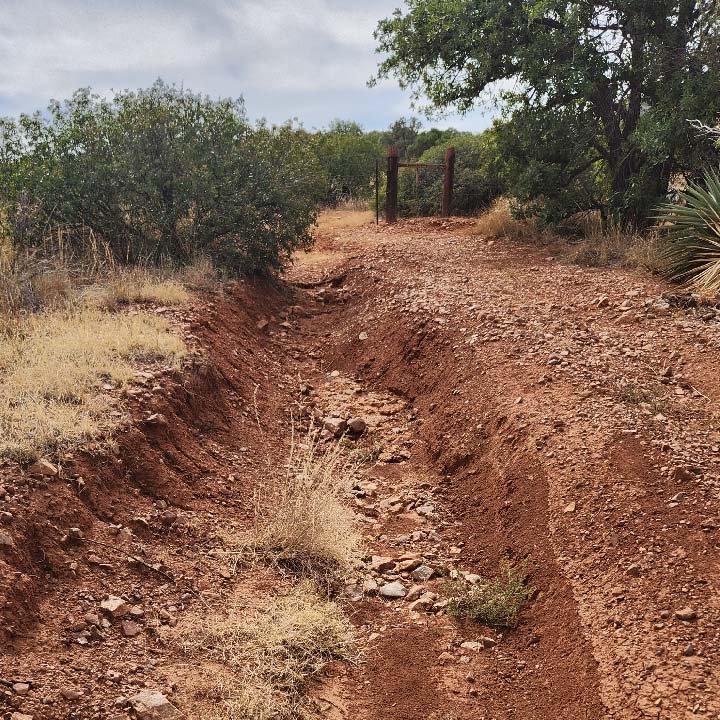
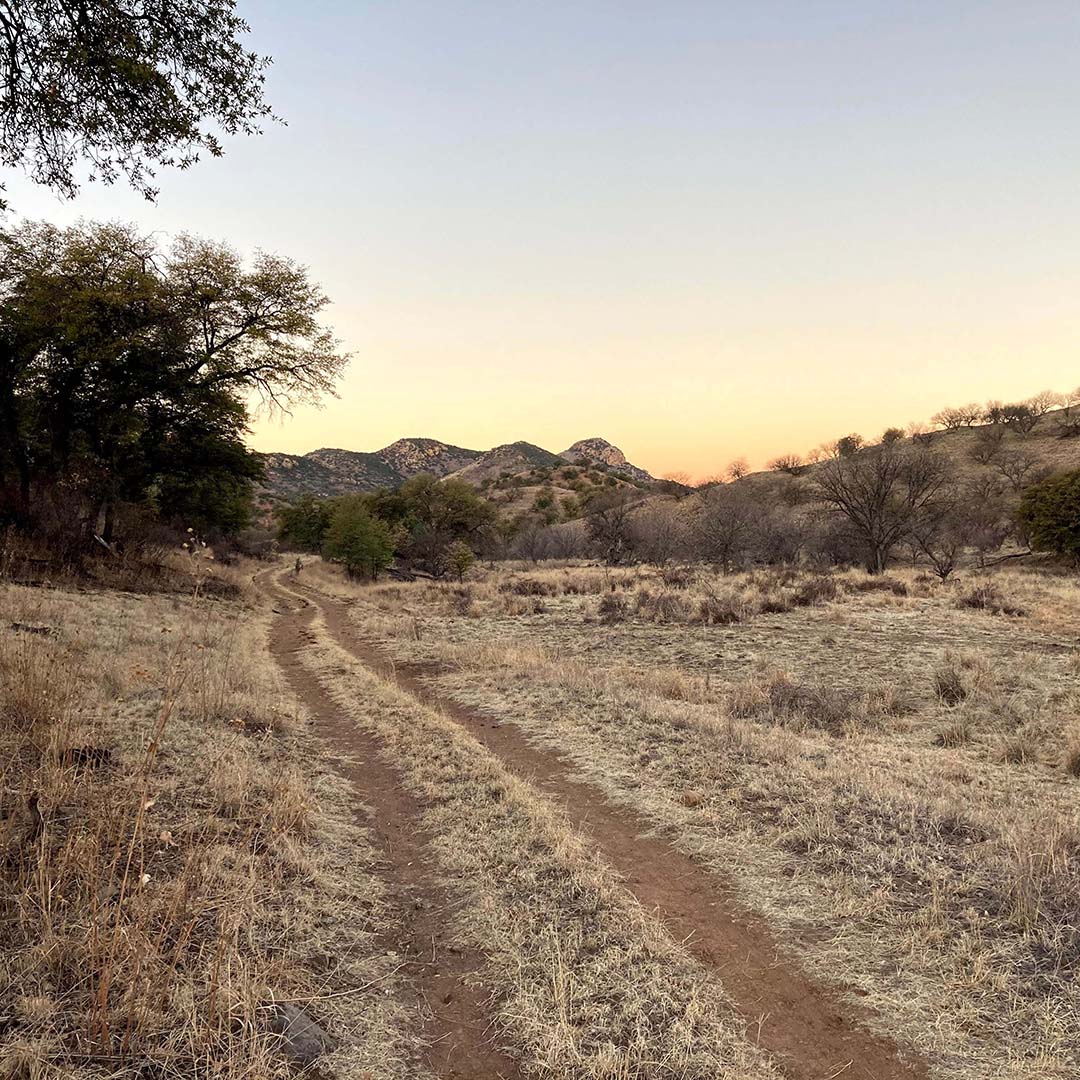
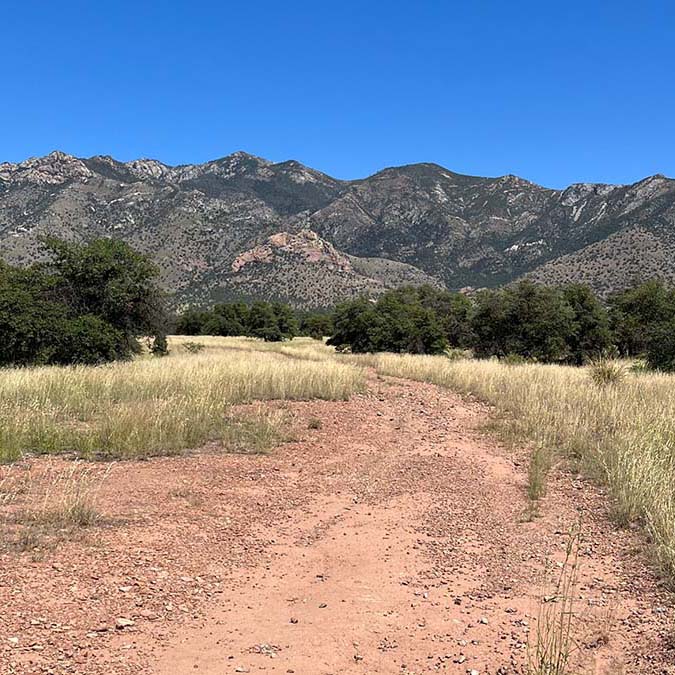
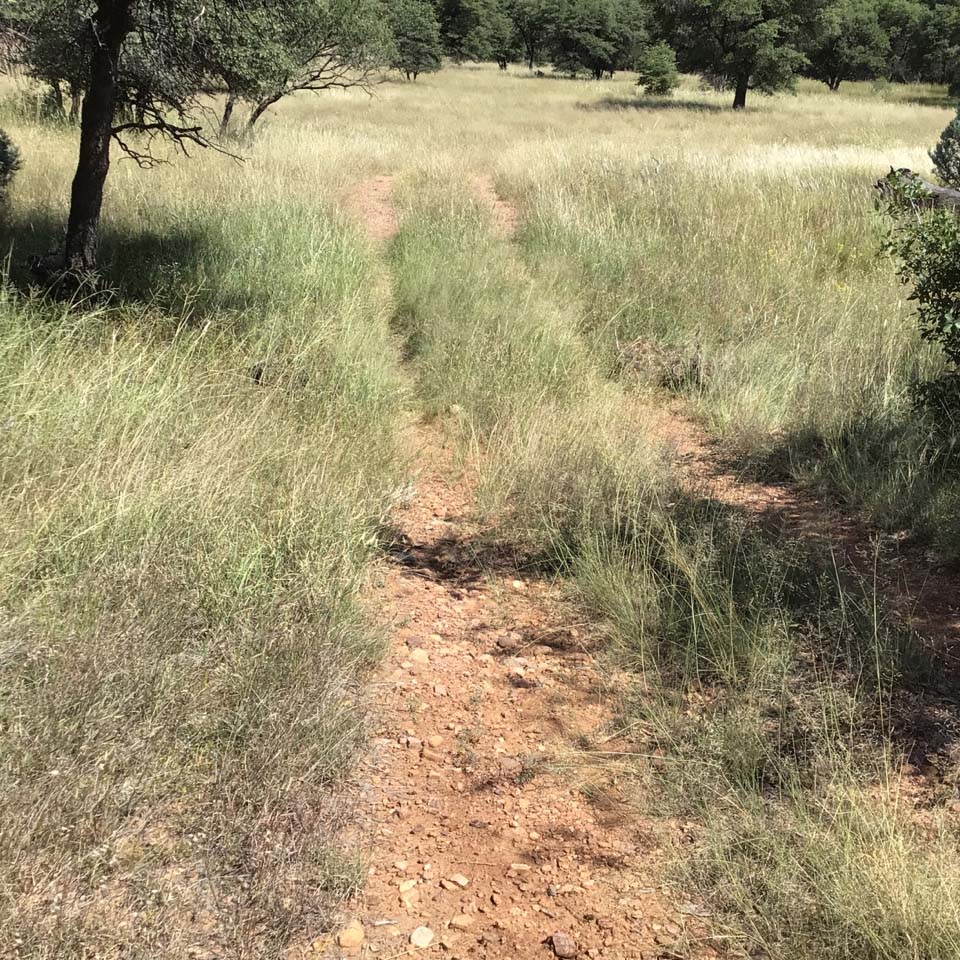
If you have a free day and enjoy choosing your own adventure, we could use your help completing our road rewilding surveys. This is a fairly independent volunteer project where you get to drive through some of the most beautiful country in southeast Arizona and report back on what you find. Because of everyone’s survey efforts, we’ve been able to make work plans for closing over 100 road segments. Our amazing volunteers have done the majority of the mapping at this point, but we’d love for folks to help us finish the remaining segments.
You can find a volunteer describing the joy of doing these surveys here, as well as some detailed instructions for how to participate in the project. Below is a map of the work we’ve done and the work we’ve yet to do with this part of the project. When you’re looking at this map, here are the key things to keep in mind:
- Green segments are roads open year-round to every kind of vehicle. Orange segments are open to highway-legal vehicles only. Teal and yellow denote seasonal closures — check with us for more information!
- Red segments are roads we’re trying to survey and decommission. These little blue squares at the start or the end of a road indicate that it’s already been surveyed. For example, section C is pretty much entirely surveyed (thank you, volunteers!). Almost everything in sections K, L, and M still needs to be surveyed. Sections N, O, and P are about halfway done.
To see a legend and toggle layers, click the icons in the upper righthand corner of the map.
Please reach out to Bryon or me, Becca, if you want help picking a segment. If you know which segment you want to survey and notice that you’ll have to cut through private land to get there, get in touch with us to ensure there’s public access. Most ranchers have been very amenable to opening their gates as long as we communicate in advance. A bonus if you go out to survey right now is that a lot of these roads have gotten more rain than Tucson or Green Valley during the 2025 monsoon and you’ll get to see some stunning greenery and lots of flowers.
Road Rewilding Update
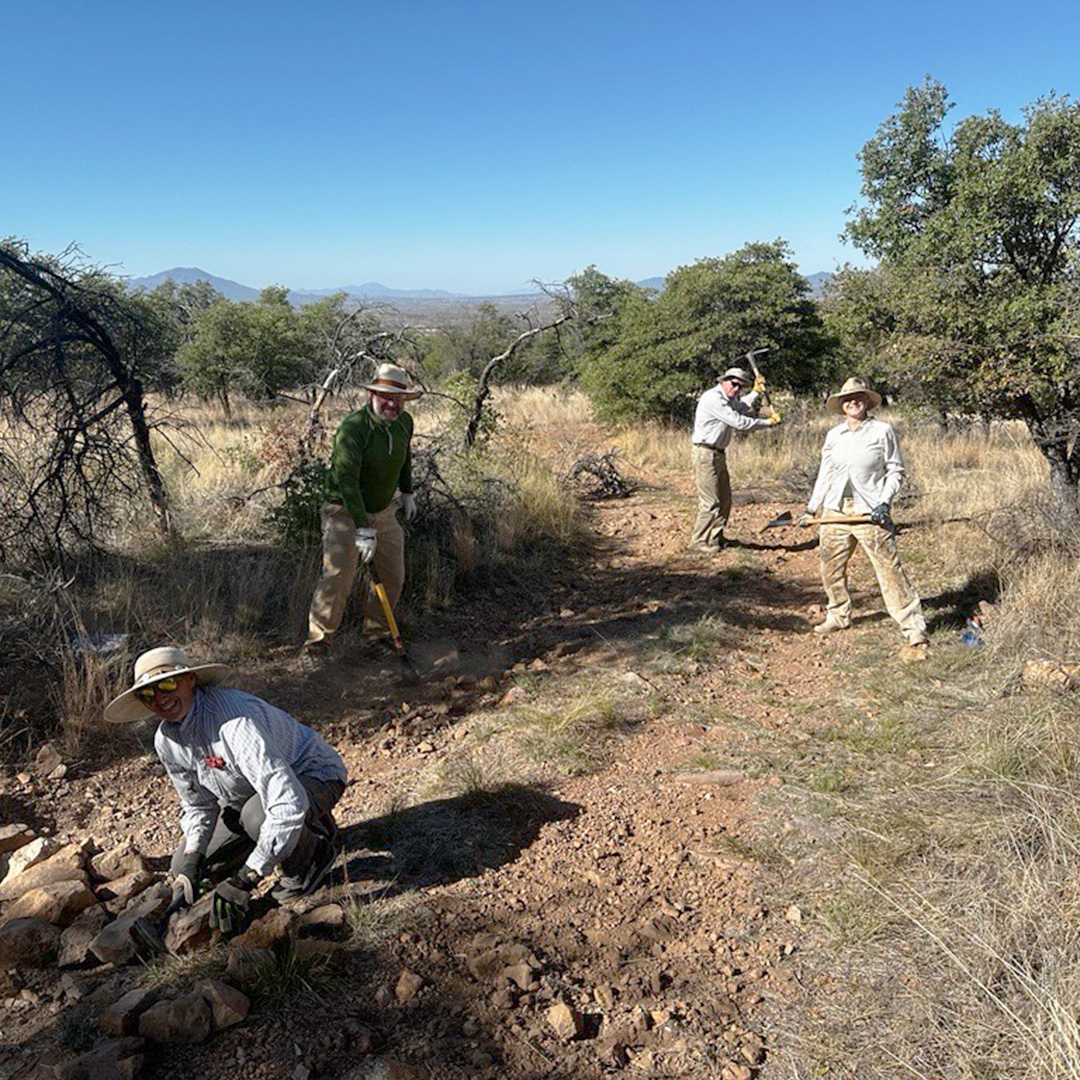


[Join Us: On Sept. 26-28, SIA will host a volunteer weekend for road rewilding.]
It’s been a year since Bryon wrote his still-pertinent update about our Road Rewilding project, and while we’ve closed many segments in the last year, we still have lots to do.
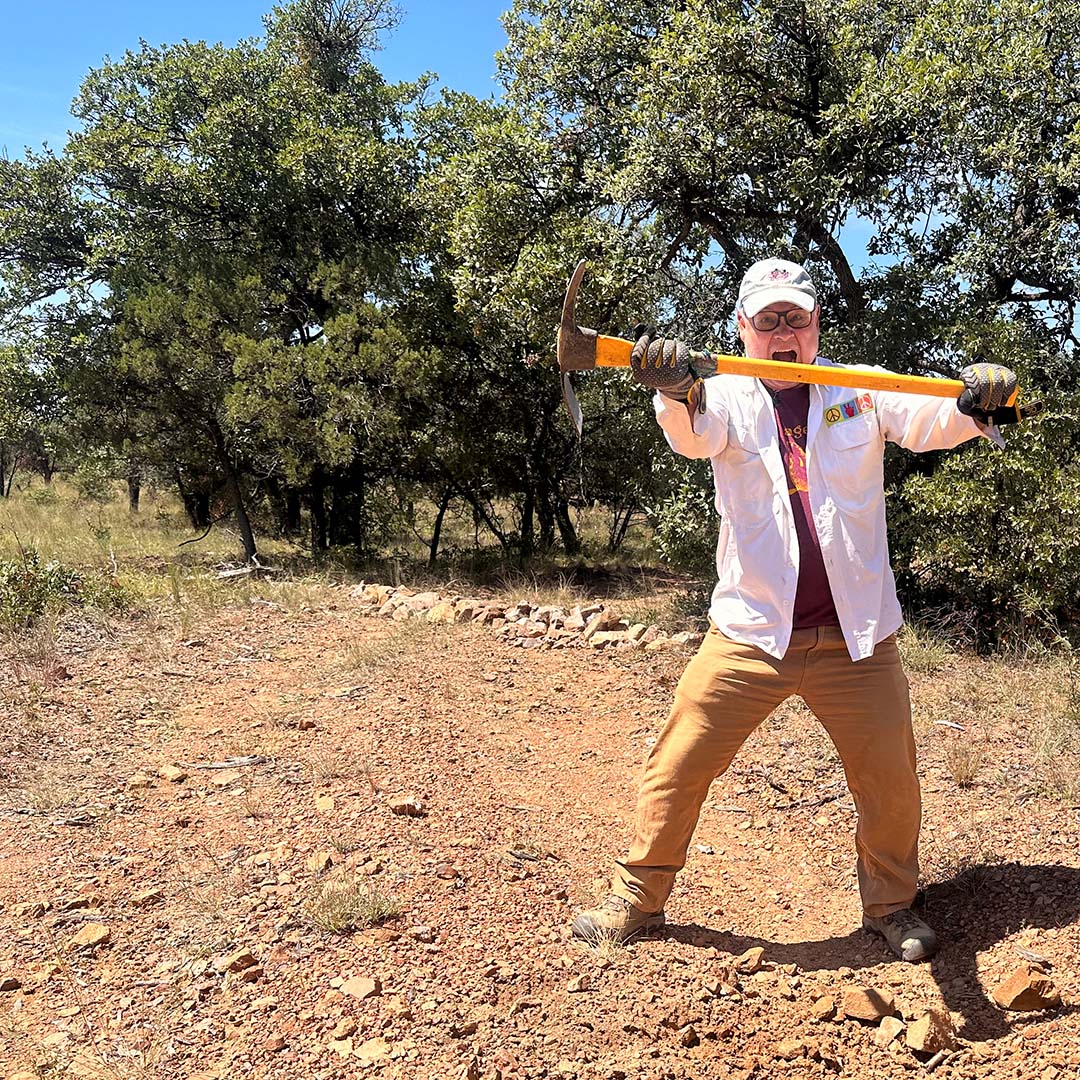
I had the joy of going out to rewild some road segments this month, and I wanted to share my experience. If you’re reading this and you’re nervous about joining us for a work weekend, I hear you! I think our work often sounds quite challenging, or like a person would have to be agile and young to have fun with it. Before going on a road rewilding trip, I was — and this may surprise you — a little hesitant about going to do difficult physical labor in the August sun. It was easy to envision hours of stooping over to pickaxe hard rocky ground, or pounding fence posts into hard rocky ground, and in almost every vision I had, I was not very good at doing the hard-rocky-ground tasks. In my most optimistic moments I thought, “Maybe the hard rocky ground will have some shade” or “Maybe we can take a nap on the hard rocky ground” or “Well, it’ll probably be fun to laugh about how hard and rocky the ground was after the fact.”
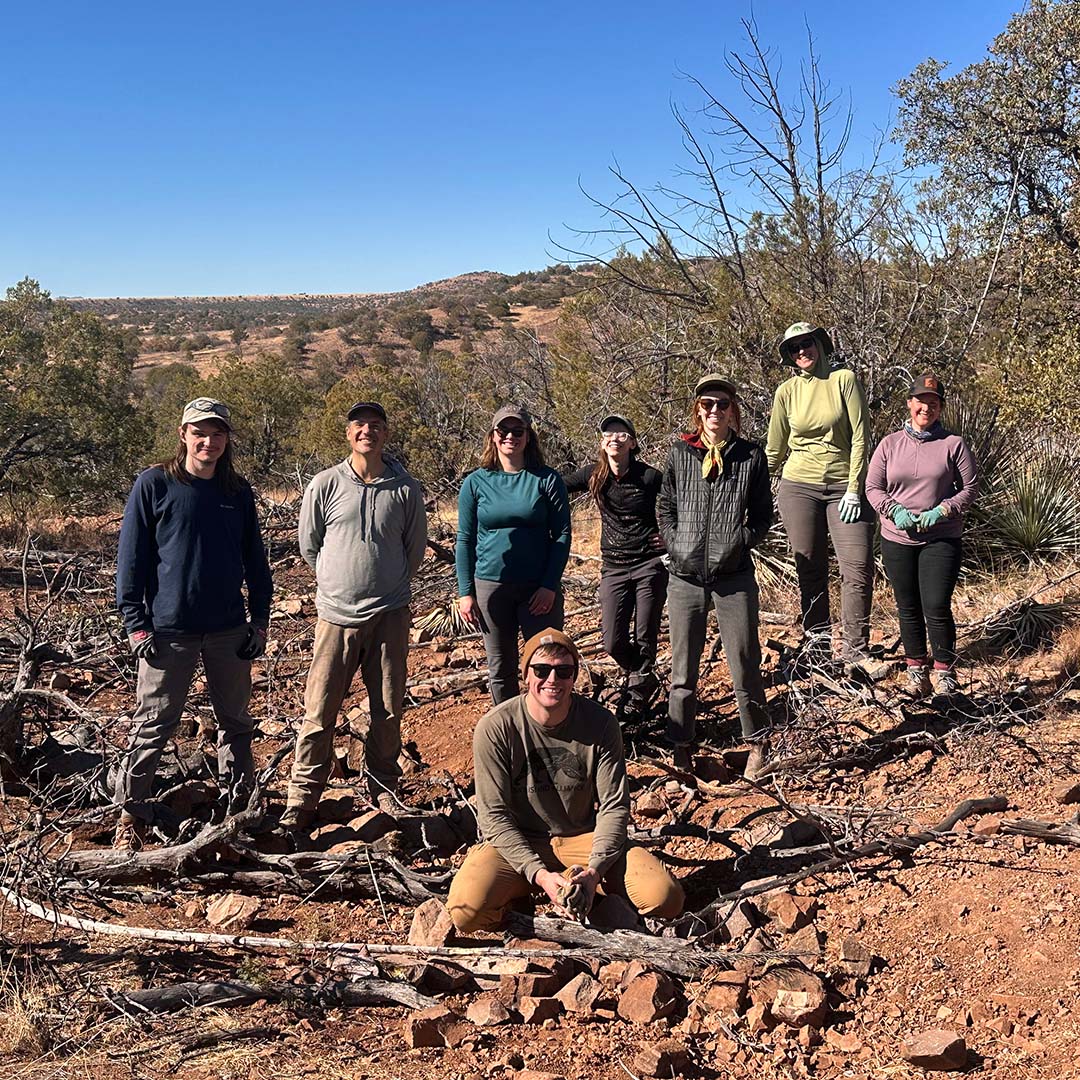
Luckily, it was actually pretty smooth and easy, and our crew (ranging from people in their 30s to people in their 60s) took really good care of each other.
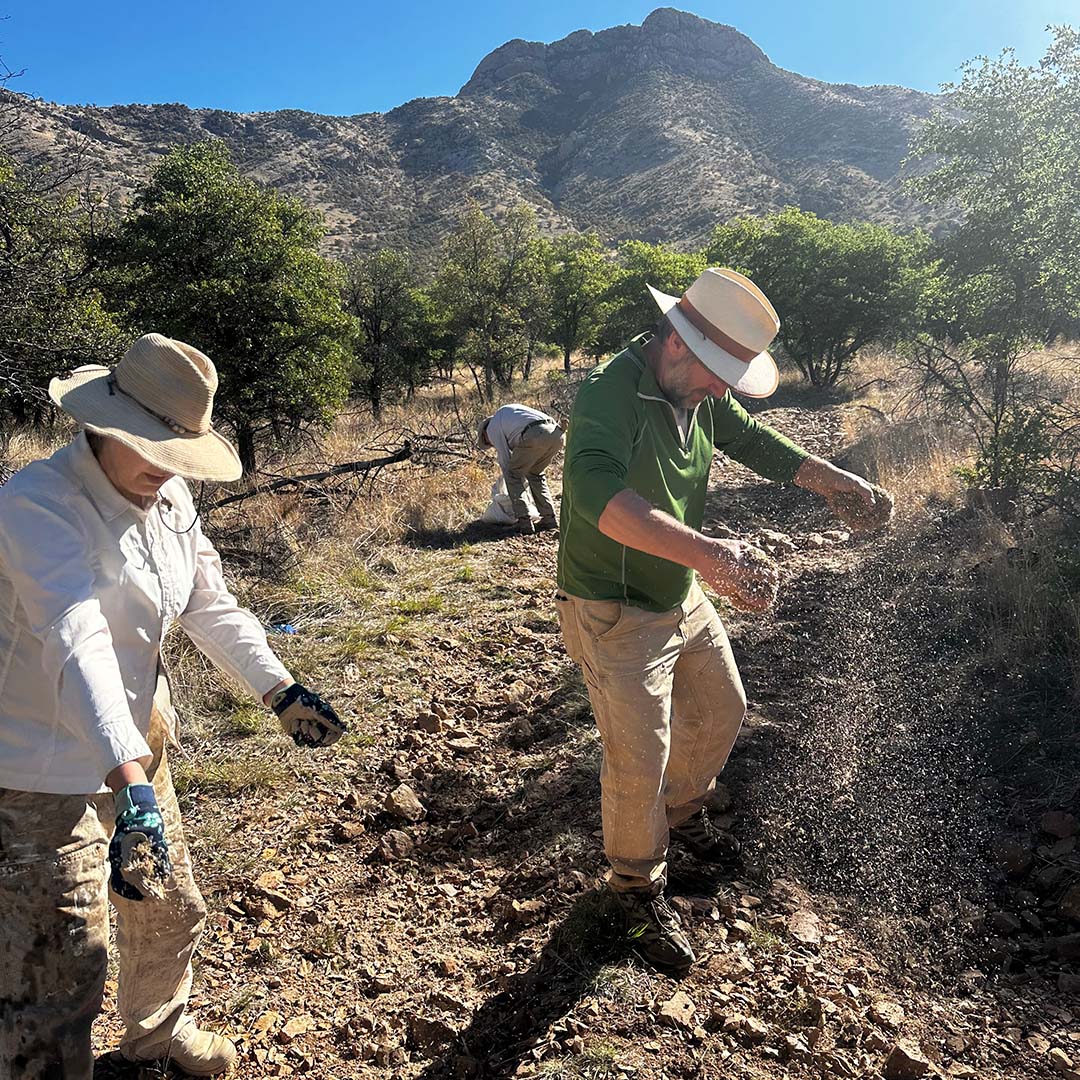
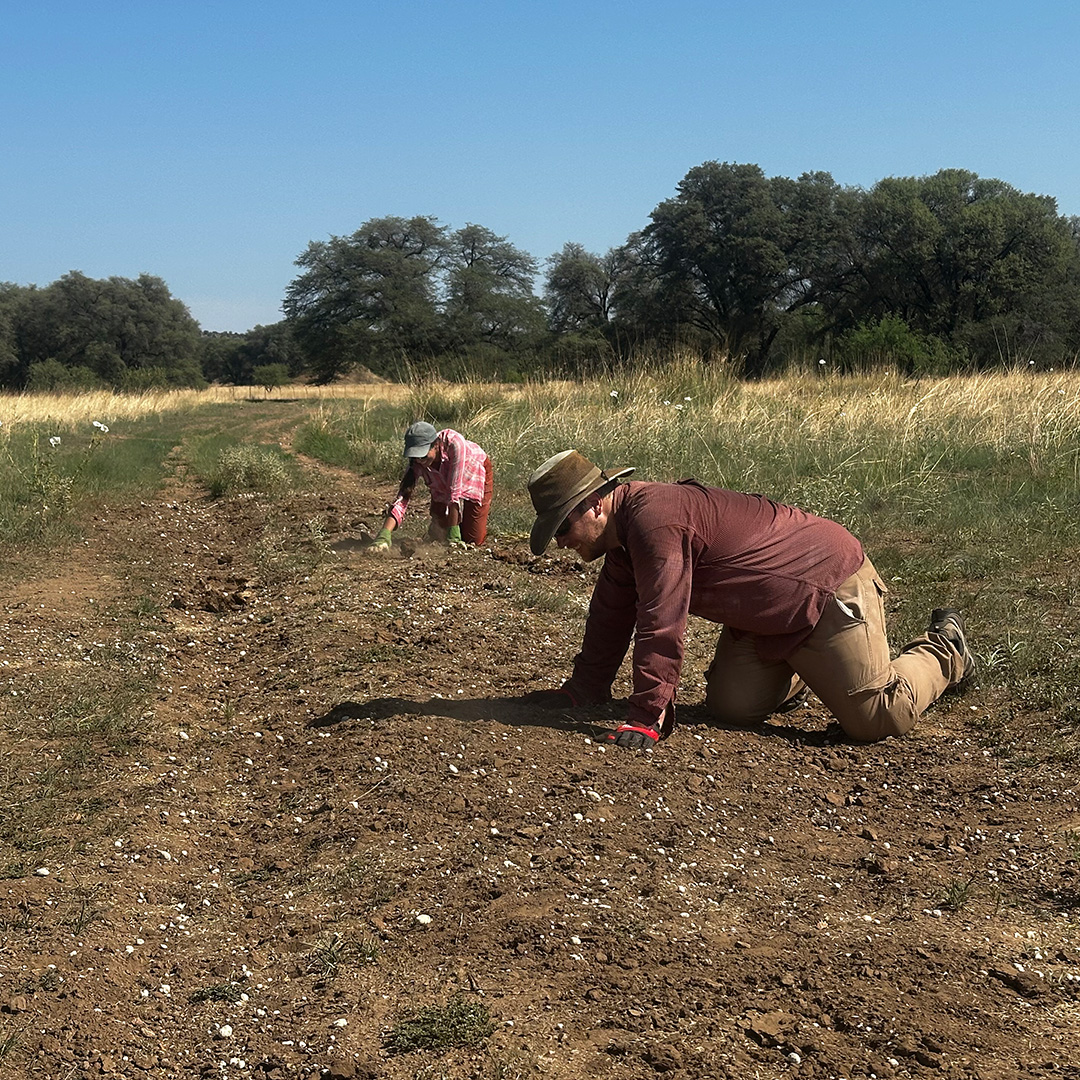
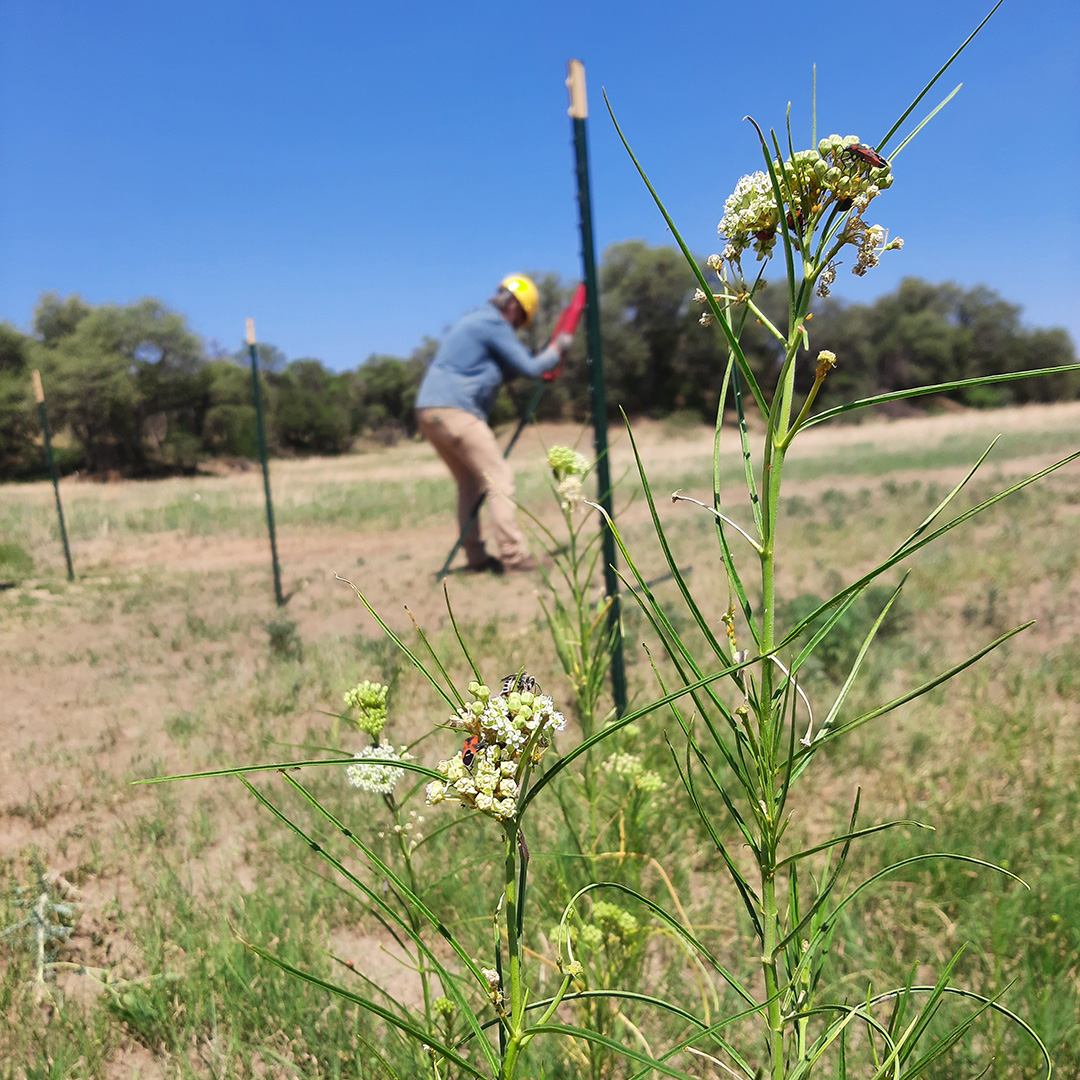
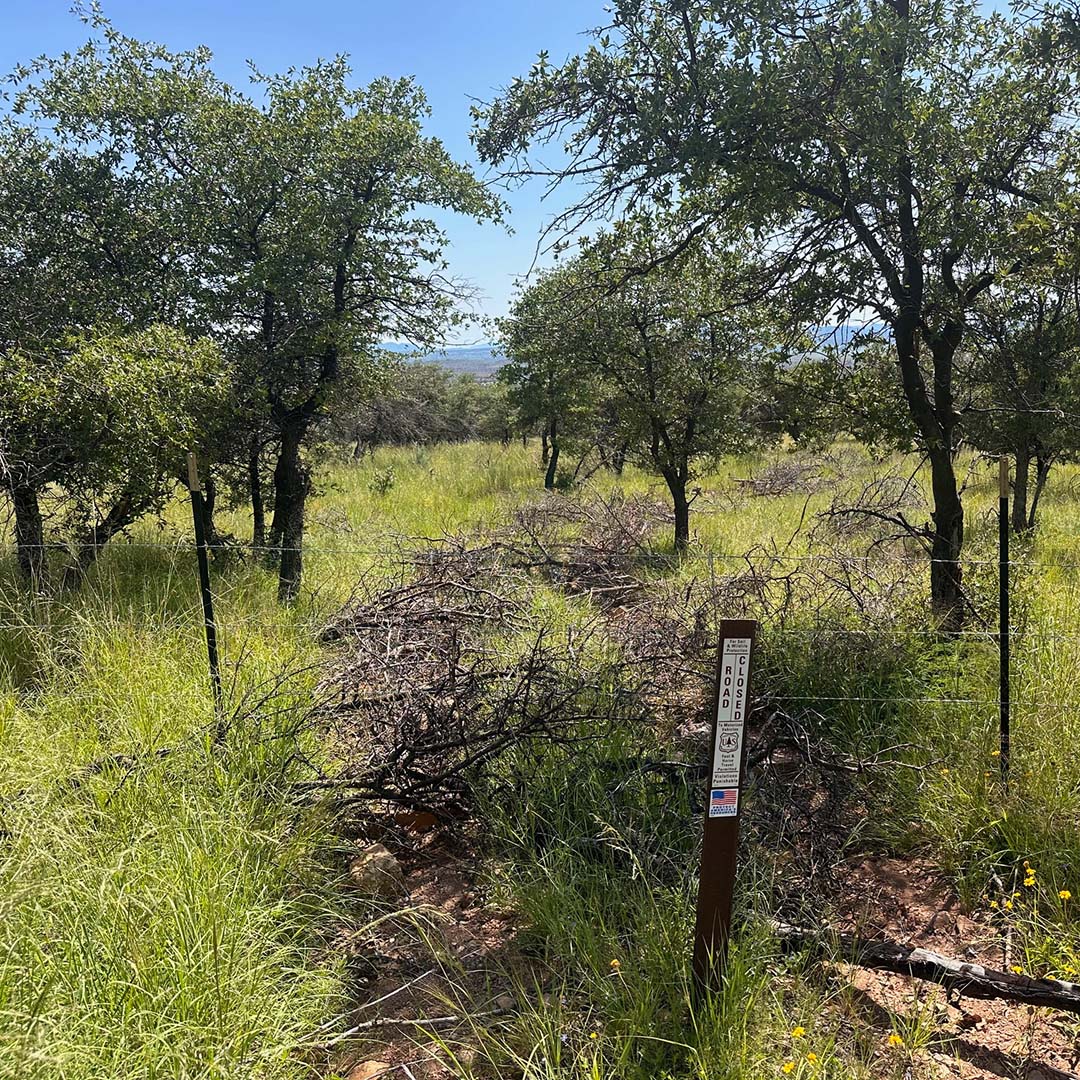
Our first restoration site was a pleasant meadow lined generously with shade trees. The ground was hard in places — decades of cars driving on dirt does tend to harden it — but we were able to open it quickly. Then we spread and covered seeds provided by folks at Borderlands Restoration Network, where they collect and grow out local native varieties. We placed and pounded in the fenceposts faster than we all imagined and strung two-strand barbless wire. The fence will block motorized traffic like cars, dirt bikes, and ATVs. We also spaced the wire so that wildlife and hikers can easily get through. As we returned to camp, a thunderstorm broke, and we all enjoyed the delicious treat of cold air.
We did the same thing the next morning at a second site, except the soil was even looser because of the rain. We also dragged lots of dead trees and brush to camouflage the meadow behind the fence and make it look a bit less like a road and more like the surrounding landscape.
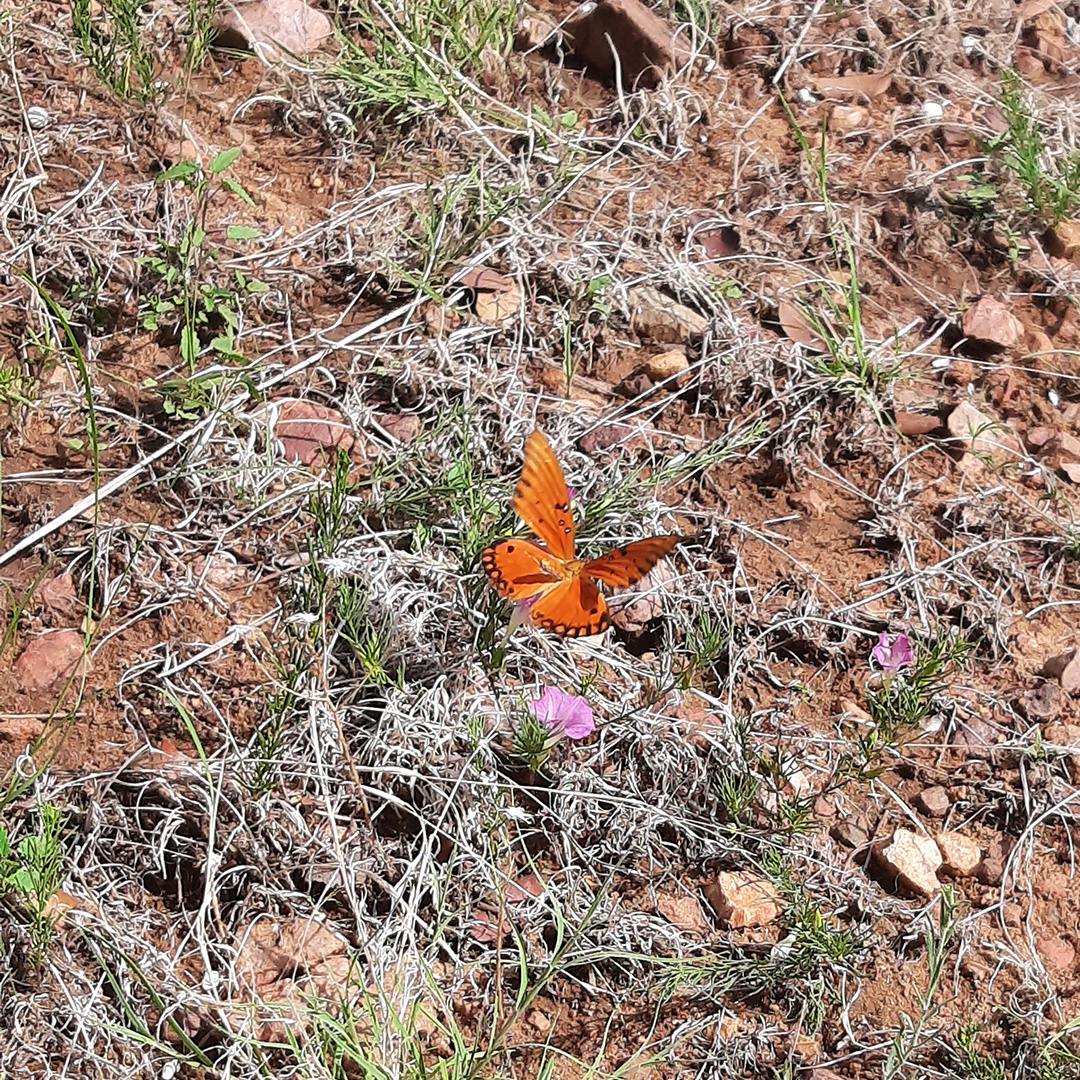
Everyone had different restoration experience. One person was totally new, a few people had done a lot of fencing prior, a few people had come to volunteer with us but not with road rewilding. We all learned a lot. One of our volunteers is considering a wildlife-safe fence around her property, and she said this was helpful skill building for her. I thought that was really cool. As always on our volunteer weekends, we all worked comfortably at our own pace, prioritized listening to our bodies, drank lots of water, admired the butterflies and bees, and took plenty of shade breaks.
I had a great time with the work and with our volunteers, and I’m pretty excited for the next work weekend on Sept. 12-13. I hope you can join us! If you have questions, don’t hesitate to reach out.