This Sept. 13-20, SIA and other local conservation groups will be launching a virtual Weeds Week event in partnership with the Sonoran Desert Cooperative Weed Management Area. Join us! This event encourages the local community to learn about, identify, and record weeds growing in the metro area of Pima County. By crowdsourcing these data in our area, local land managers and conservationists can begin to understand the spread of potentially problematic weed species and mitigate threats to native ecosystems. Curbing the growth and establishment of invasive weeds is essential to decreasing fire risk and helping maintain biodiversity.
Weeds Week kicks off with an in-person gathering on Sunday, Sept. 13, in the Santa Cruz River in Tucson, where participants will join local botanists for a tutorial on using the iNaturalist platform and identifying plants.
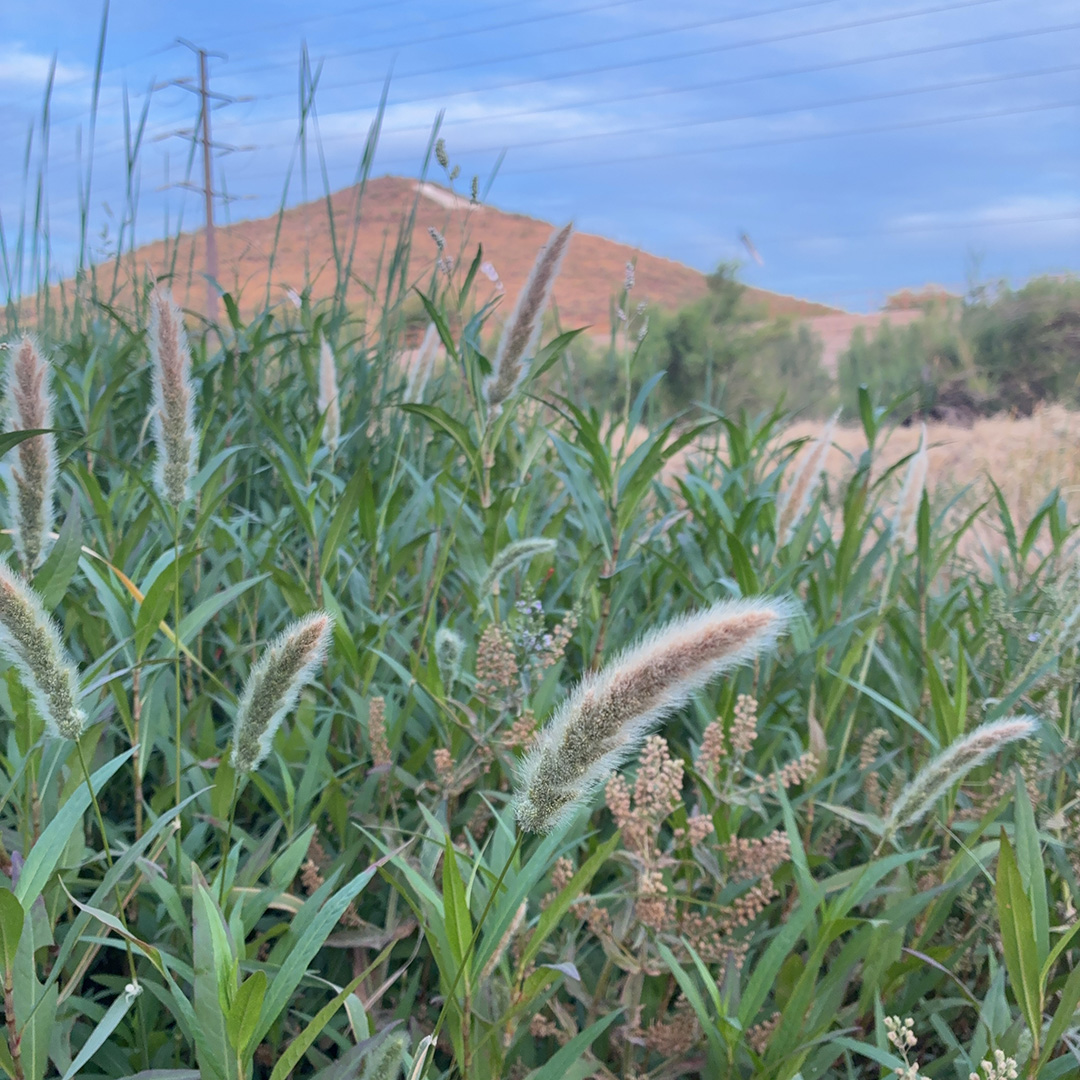
The remaining week, participants can use the iNaturalist application on their mobile device to document the weeds they find! This can be done anytime and anywhere within the public spaces of the city: while out for a stroll in your neighborhood or walking to your car. The data collected are a crucial resource to inform conservation and land management efforts to minimize the spread of harmful species. For all those times you’ve spotted a plant on your regular walking route and wondered what it was, this is an opportunity to learn the weed by name and record it!
More About Weeds
Weeds are typically defined as plant species that cause ecological damage or are undesirable in a specific location. Some weeds warrant cause for concern: specifically non-native invasive plants that pose a risk to our environment, infrastructure, and public health. These weed species outcompete native plants for resources and, in doing so, reduce the availability of habitat and food sources for wildlife. As the weeds establish and spread, they alter the native ecosystem, filling open areas with dense and dry vegetation, increasing the likelihood of wildfires.
For example, species such as stinknet (Oncosiphon pilulifer) not only pose a threat to the health of the Sonoran Desert, but also to human health, because the plant’s natural oils can cause respiratory issues and skin reactions. The key to managing the spread of invasive plant species and preventing the establishment of potentially harmful new weeds is documenting their presence early on.
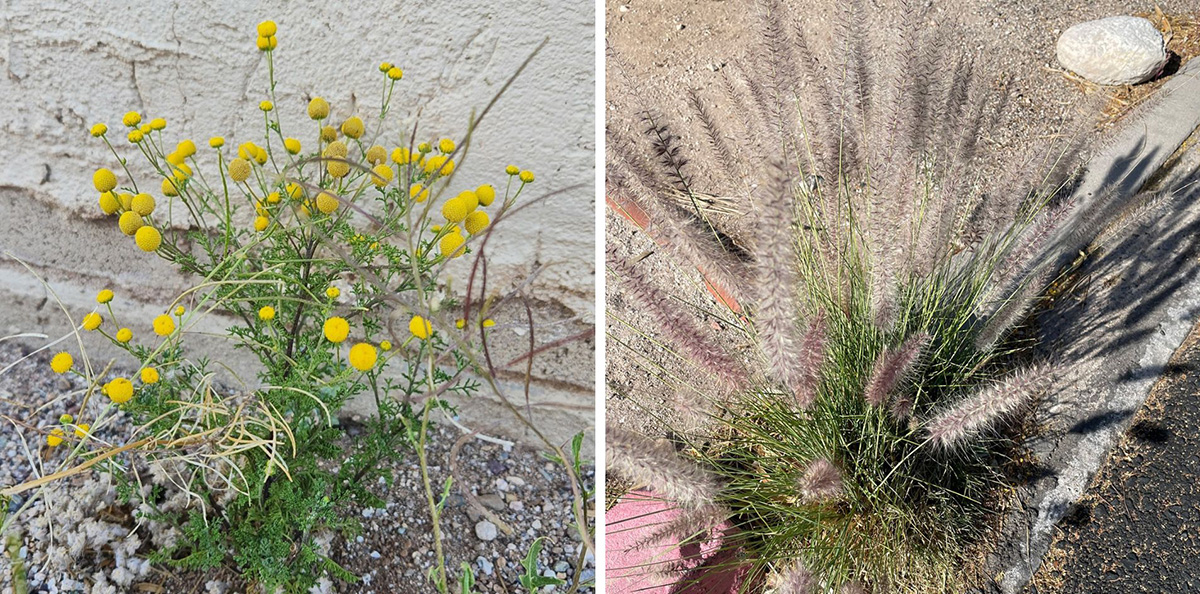
However, not all weeds are bad! Many weeds do not pose a significant threat and can provide many valuable benefits to wildlife, humans, and the native urban landscape. Native weeds and some non-native, non-invasive weeds throughout the city provide habitat, shelter, and food for wildlife. Weeds can serve as additional sources of food during extreme weather events or when food supplies from native plant sources run low. Weeds have also evolved to thrive in human-created environments, where they are able to withstand extreme temperatures, variable moisture levels, and poor soil quality. They create patches of greenery in grey, cement-covered cities, sometimes providing just enough space and food for a colony of ants to live! Weeds are worth paying attention to because they have many roles to play!

Engaging the community to recognize and record weeds around the city will bolster efforts to document problematic species. So please join us in helping protect our desert! To join the virtual event, download the iNaturalist app and join the project. And visit this page to sign up for the in-person kickoff event.