
Congrats to Daniel Moreno on completing his internship report and bachelor’s degree in biology at the Universidad de la Sierra. During his internship with Sky Island Alliance, advised by Mónica Montaño, our environmental outreach coordinator, Daniel conducted an analysis of more than three decades of precipitation data at Rancho Nuevo, Moctezuma, Sonora, identifying historical patterns, seasonal variability, and possible trends associated with climate change.

By Daniel Moreno
During my professional internship with Sky Island Alliance, I carried out an analysis of historical precipitation data at Rancho Nuevo, located in Moctezuma, Sonora, with the goal of identifying climate trends and possible signals in precipitation behavior linked to climate change. Precipitation, in arid and semi-arid zones such as most of the state of Sonora, play a fundamental role due to high temporal variability and close connection to human activities, especially agriculture, livestock farming, and the use of natural resources.
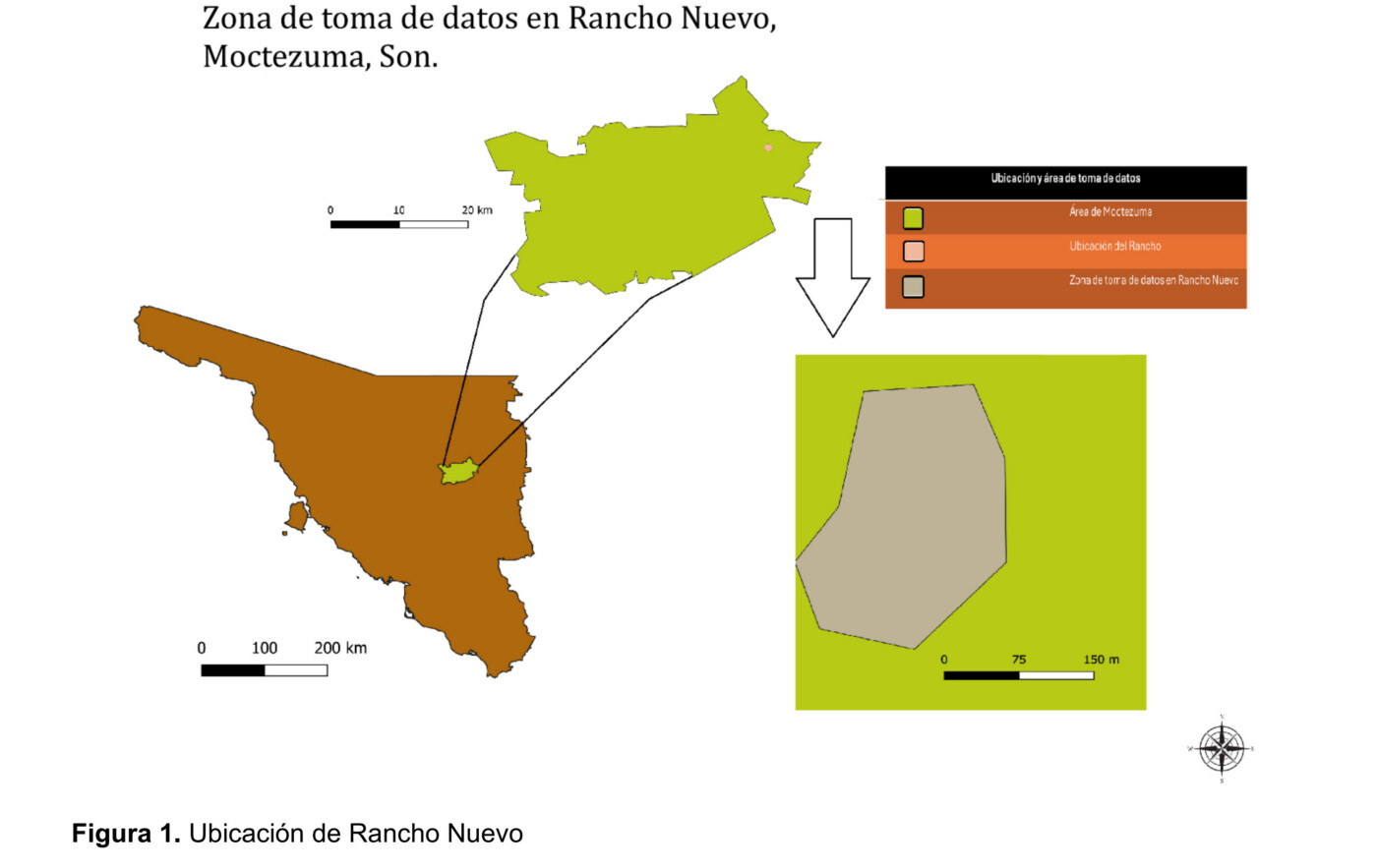
To conduct this research, I used data recorded between 1990 and 2024. I was responsible for organizing and digitizing the information in spreadsheets to calculate monthly, annual, and seasonal averages, and then applying a predictive model (ARIMA) on the Minitab platform to estimate rainfall behavior over the next four years.
The historical annual average rainfall was 21.82 inches; however, in recent years several periods below this value were observed, which demonstrates an increase in interannual irregularity. The results showed a marked seasonality with very low precipitation from January through May and a considerable increase between June and September due to the influence of the North American monsoon.
In the seasonal estimates for the four years following the studied period, the model calculated spring figures of 0.964, 1.060, 1.045, and 1.078 inches; summer figures of 3.472, 2.551, 2.995, and 2.699 inches; autumn values of 0.689, 0.254, 0.393, and 0.239 inches; and winter figures of 0.931, 0.987, 0.943, and 0.939 inches.
The seasonal analysis confirmed that summer is the period with the highest precipitation, while autumn and winter showed considerable year-to-year variations with dominant dry periods and isolated episodes of intense rainfall. The ARIMA model made it possible to project future scenarios with wide uncertainty margins, especially for summer and autumn, indicating that climate variations will continue to be irregular and difficult to predict.
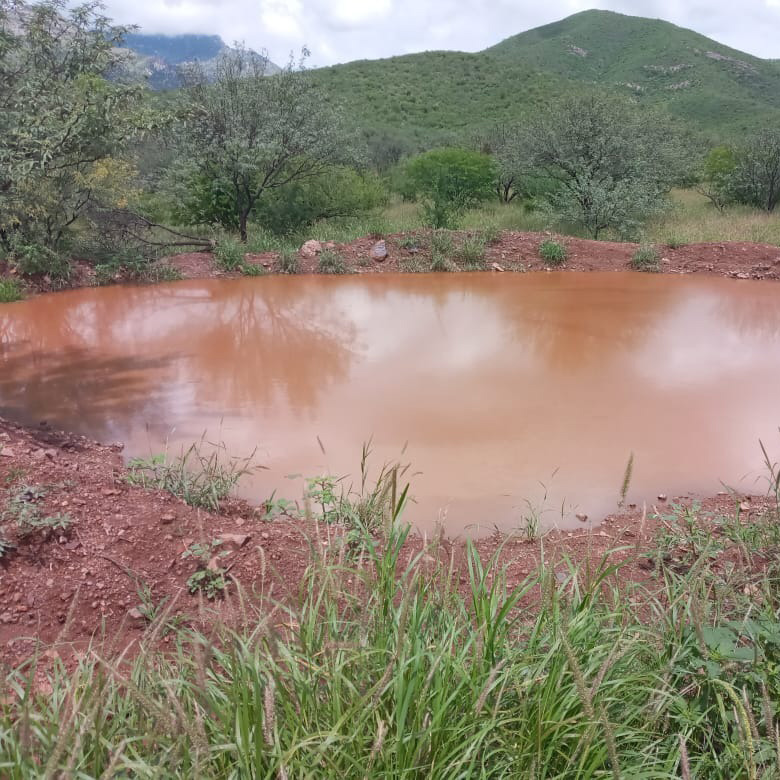

The results suggest that Rancho Nuevo shows a trend toward dry and variable conditions associated with both the influence of global phenomena such as El Niño and La Niña, the monsoon, and possible climate change signals that affect water availability and local productive systems. The analysis of precipitation trends over time allows us to connect them to climate change and natural climate variability. These findings provide useful information for regional planning of sustainable land management and water resource management, especially in areas where livestock farming and agriculture depend directly on seasonal rainfall.
Working with this information was very interesting — observing how rainfall trends varied by year, month, and season, and how this type of study reveals valuable information about climate change and such an important resource as water availability.